If you manage a commercial property in Spring Hill, you already know that your water system is not something you can afford to ignore. Irrigation demands, restroom facilities, cooling equipment, and industrial processes all depend on consistent water pressure and flow. When something goes wrong — or when routine maintenance is due — scheduling a commercial pump system service in Spring Hill is the right call. But what actually happens during that service visit? Knowing what to expect helps you prepare your property, coordinate with tenants, and make better decisions about your water infrastructure.
Before the Technician Arrives
A productive service call starts before anyone sets foot on your property. When you contact the service provider, be ready to share basic information about your system — the approximate age of the pump, the type of use (irrigation, potable water, process water), any symptoms you’ve noticed, and whether this is a routine maintenance visit or a response to a problem. This upfront information allows technicians to arrive with the right equipment and replacement parts for your specific setup.
Spring Hill’s Hernando County properties often rely on wells drawing from Florida’s Floridan aquifer system, which sits beneath a thick layer of limestone. That geology influences which pump types are common in the area and what types of wear and contamination tend to develop over time. Sharing your well’s history, if you have it, gives the technician a meaningful head start.
Phase One: Site Assessment and System Overview
When the technician arrives, the first step is a thorough site assessment. This is not a quick glance — it’s a structured walkthrough of your entire water system. The technician will locate the wellhead, pressure tank, electrical controls, and any distribution components. They’ll note the condition of above-ground hardware, look for signs of corrosion or physical damage, and review any existing documentation you have for the system.
For commercial properties, this assessment also takes into account how the system is being used. A multi-tenant office building has different demand patterns than a landscaping operation or a food service facility. Understanding usage helps the technician evaluate whether the current pump configuration is sized appropriately for your actual load — an important factor that’s easy to overlook during routine service.
Phase Two: Pump System Diagnostics
Once the site overview is complete, the technician moves into active diagnostics. This phase is where the technical work really begins. Key diagnostic steps typically include:
- Pressure and flow testing: Measuring system pressure and flow rates at multiple points to identify drops or inconsistencies that could indicate pump wear, blockages, or piping issues.
- Electrical testing: Checking voltage, amperage draw, and control panel function. Electrical irregularities are a leading cause of pump motor failure and are often caught before they become a full system outage.
- Water quality observation: Noting any signs of sand intrusion, sulfur odor, or discoloration. Hernando County well water can carry hydrogen sulfide and fine sediment, especially in systems that haven’t been serviced recently.
- Pump motor and component inspection: Evaluating the condition of the pump motor, capacitors, pressure switches, and bladder tank.
For deeper diagnostic work, video well inspections can be used to visually examine the interior of the wellbore. This is particularly useful for older Spring Hill commercial wells where the casing condition or screen integrity may be in question. Video inspection removes the guesswork and gives property managers documented visual evidence of what’s happening below ground.
Phase Three: Service and Repairs
Based on the diagnostic findings, the technician will walk you through what was found and what work is recommended. For a routine maintenance visit, this phase may involve cleaning components, testing and adjusting pressure settings, and verifying that controls are functioning correctly. If repairs are needed, the scope will be explained clearly before work proceeds.
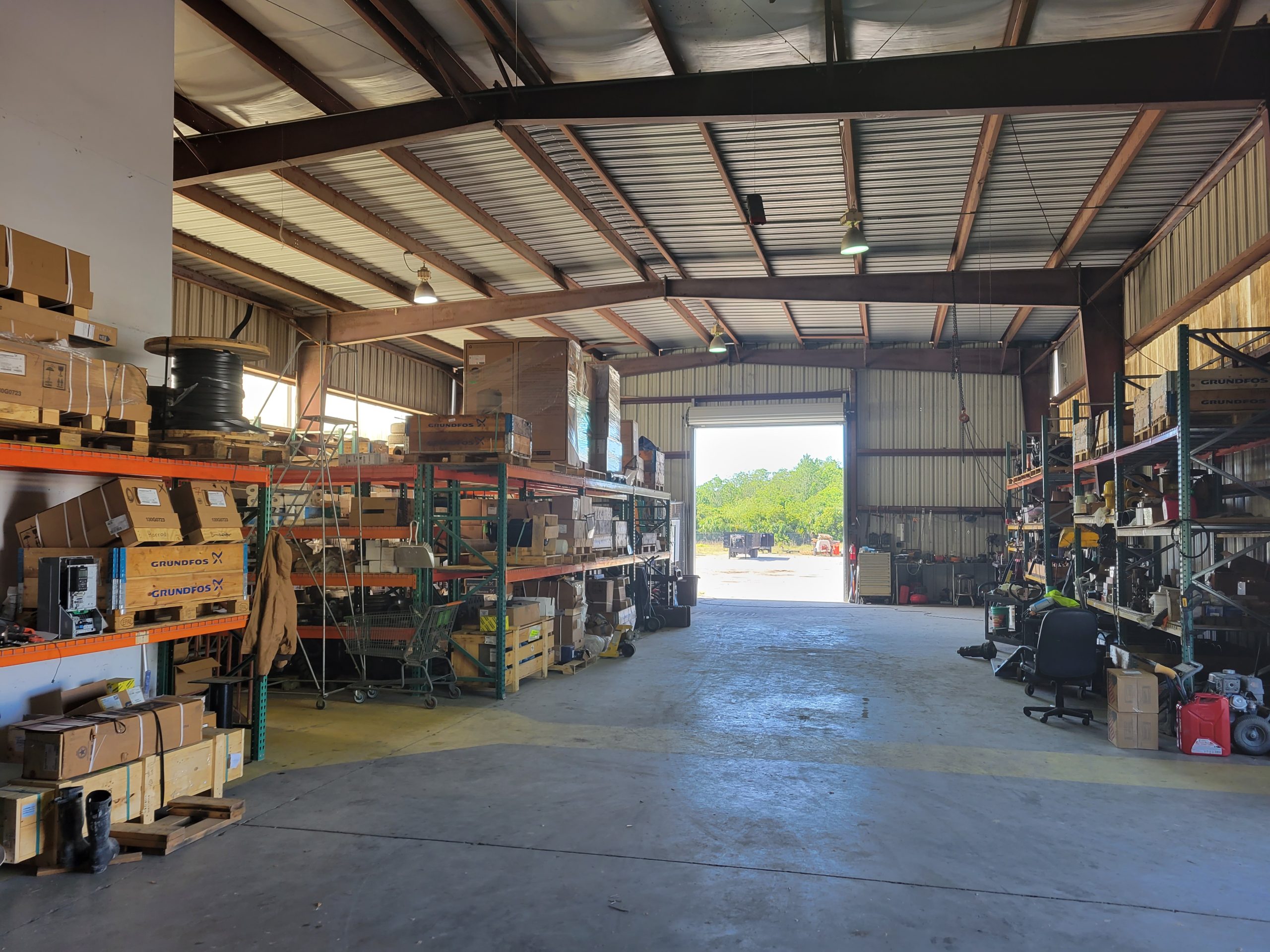
Commercial well pump service in Hernando County frequently involves addressing issues common to the region — sediment buildup from limestone-heavy aquifer water, corrosion from hydrogen sulfide exposure, and pressure fluctuations caused by aging pump components. Systems that serve high-demand commercial applications also benefit from pump upgrades when original equipment is no longer performing efficiently. As a premier dealer of Grundfos pumps, Accurate Drilling Solutions brings access to commercial-grade equipment that matches the specific demands of Spring Hill properties.
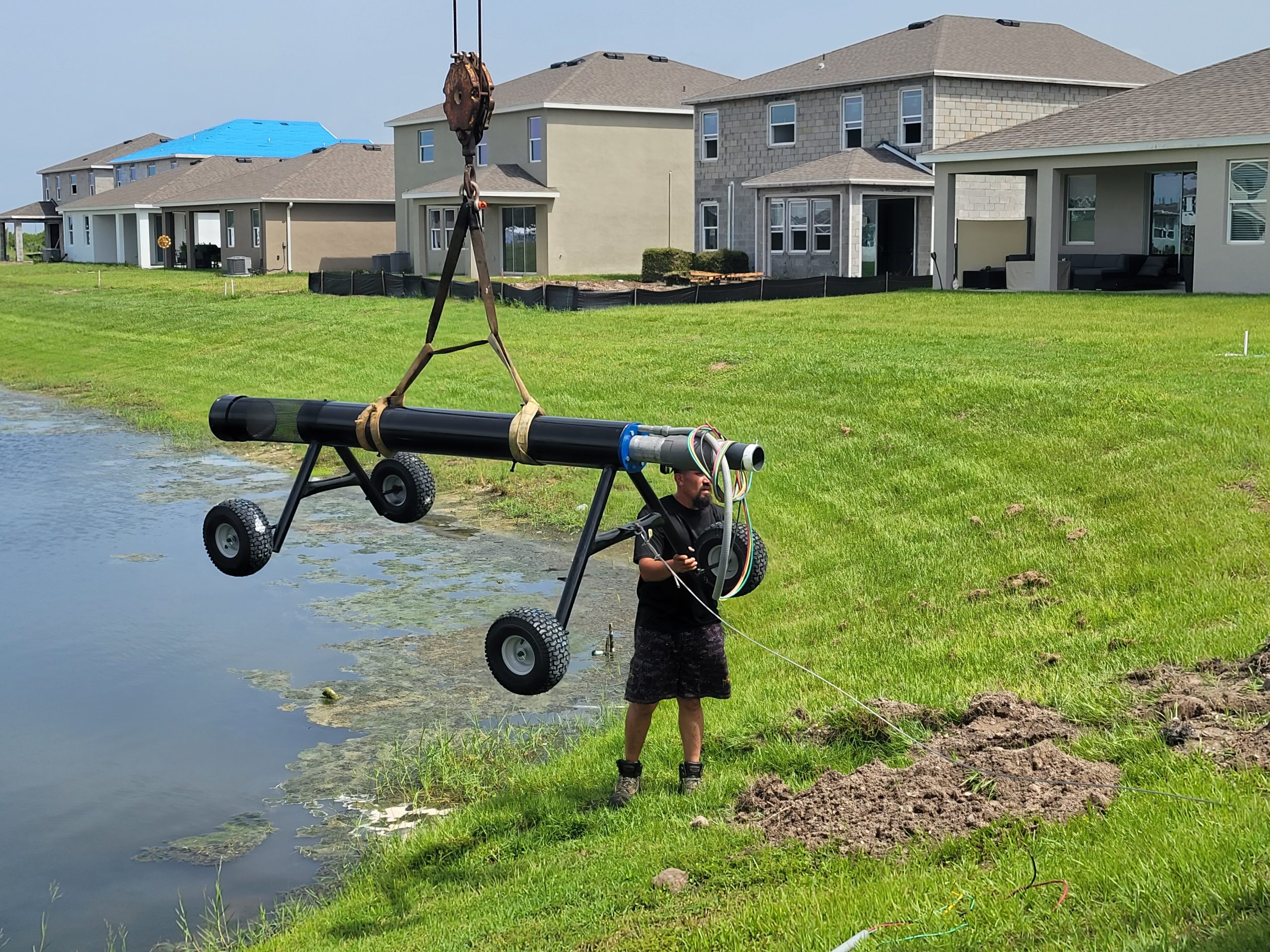
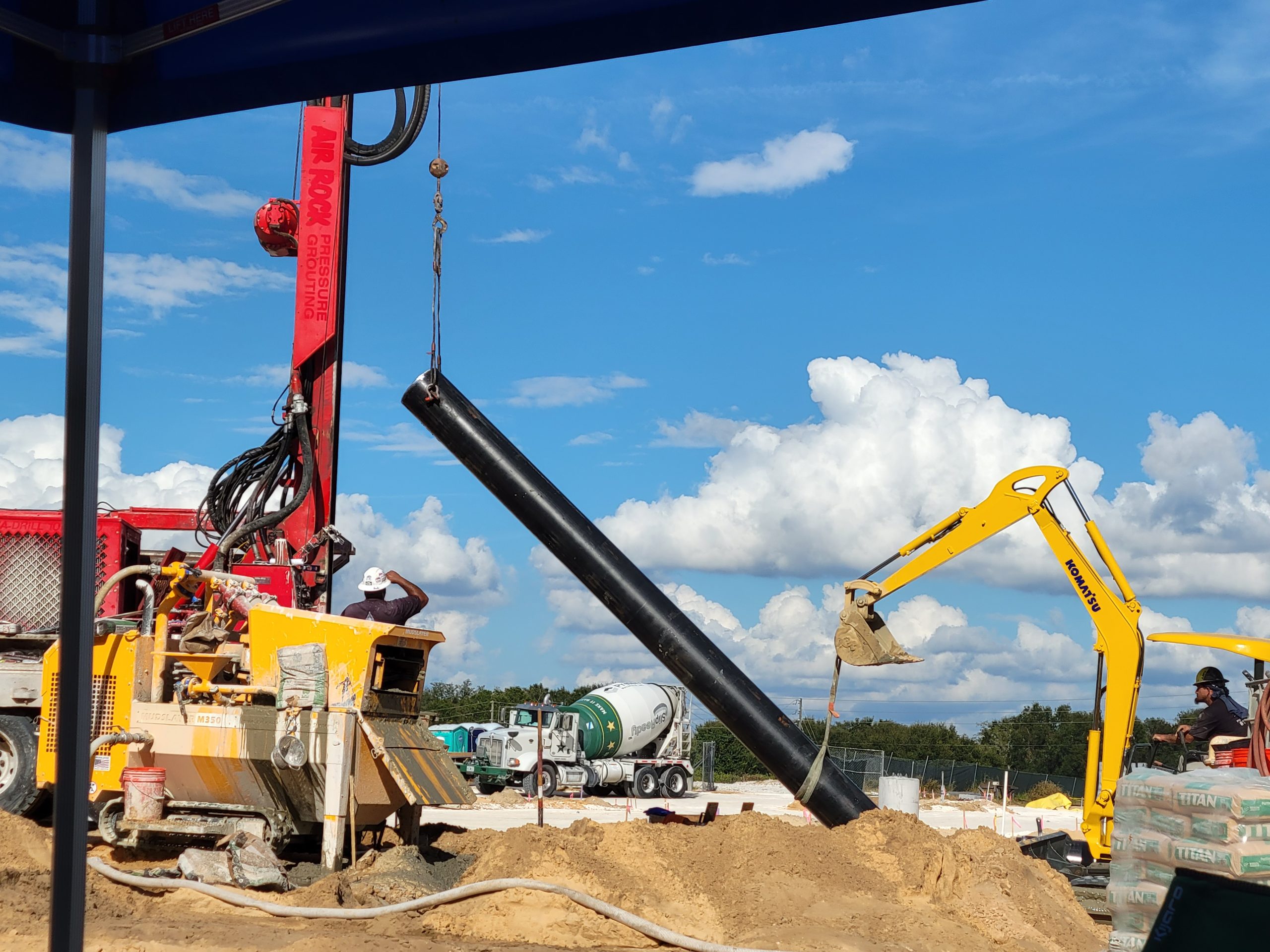
If a pump pull is required — meaning the submersible pump needs to be removed from the well for inspection or replacement — the crew will have the appropriate equipment on hand. This is a more involved process for deep commercial wells, and having experienced technicians manage it correctly protects the integrity of the casing and avoids secondary damage.
Phase Four: System Testing After Service
After any repairs or maintenance work is completed, the system goes through a post-service testing phase. The technician will restore the system to operation and monitor it under real or simulated load conditions. Pressure readings, flow rates, and electrical measurements are taken again and compared to the baseline established at the start of the call. This step confirms that the issue was resolved and that the system is performing within acceptable parameters.
For commercial properties with multiple zones or complex distribution systems, this testing phase may cover several points across the property. It’s also a good time for the technician to flag any components that are functioning now but showing early signs of wear — giving property managers the option to address those items proactively rather than waiting for a failure.
Post-Service Documentation
Documentation is one of the most important deliverables from a commercial well pump service call, and it’s often undervalued by property owners until they need it. After the service is complete, you should receive a clear record of what was found, what work was performed, and what the system’s current condition is. This documentation matters for property records, tenant communications, permitting, and insurance purposes.
For properties governed by HOAs or CDDs — both common throughout the Spring Hill area — maintaining thorough service records also supports compliance with community infrastructure requirements. Keeping a complete service history for your Hernando County commercial well makes future diagnostic work faster and more accurate, too.
Properties that want to stay ahead of problems rather than react to them may want to explore scheduled maintenance agreements, which establish regular service intervals and keep your commercial water system operating reliably through Florida’s demanding seasonal conditions — including the surge in irrigation demand during dry season and the equipment stress that can follow a hurricane.
What to Have Ready Before Your Service Visit
To make the most of your commercial pump system service appointment, gather the following before the technician arrives:
- Any existing well records, permits, or prior service reports
- The age and model of the current pump, if known
- A description of any symptoms — pressure drops, cycling issues, unusual sounds, or water quality changes
- Access to the wellhead, electrical panel, and pressure tank locations
- Contact information for any tenants or staff who may need to be notified of temporary service interruptions
Being prepared shortens the diagnostic process and allows the team to spend more time on the actual work. For larger commercial properties with complex systems, it can also be helpful to have a site map or plumbing diagram available. You can learn more about commercial water pump repair services to get a better sense of what the work involves before your appointment.
Frequently Asked Questions
How long does a commercial pump system service call typically take?
The length varies depending on system complexity, the scope of diagnostics, and whether any repairs are needed. A straightforward maintenance visit on a single-pump system may take a few hours. Larger commercial systems with multiple zones, deep submersible pumps, or significant repair work can take most of a day. Your service provider should be able to give you a realistic time estimate once they have basic information about your system.
Do commercial properties in Spring Hill need more frequent pump service than residential ones?
Generally, yes. Commercial systems run under higher and more consistent demand than residential wells. Increased cycling, higher flow rates, and continuous operational requirements put more stress on pump motors and pressure components. Spring Hill’s aquifer conditions — including sediment and mineral content from limestone geology — add further wear over time. Annual inspections are common for commercial systems, with some high-demand applications warranting more frequent checks.
What are the most common issues found during commercial well pump service in Hernando County?
The most frequently encountered issues include pump motor wear from extended run times, sediment accumulation from aquifer sand or limestone particulate, hydrogen sulfide exposure causing corrosion on metal components, pressure tank bladder failure, and aging electrical controls that are no longer responding accurately. Many of these issues develop gradually and are detectable through diagnostics well before they cause a full system failure.
Will my property need to be without water during the service call?
In most cases, there will be some period of downtime, particularly during active repairs or pump pulls. The length of that interruption depends on the work being done. Technicians will typically communicate upfront about when the system will be offline and for how long. For commercial properties with critical water needs, discussing scheduling options — such as early morning appointments — can help minimize operational disruption.
Can a service call identify problems before they cause a system failure?
Yes — and that’s one of the primary benefits of scheduled commercial well pump service. Diagnostic testing can detect declining motor efficiency, early-stage bearing wear, pressure irregularities, and electrical degradation before any of those conditions escalate into an unexpected outage. For commercial properties where a water system failure would halt operations or affect multiple tenants, proactive service is a practical investment in operational continuity.
Is video inspection part of a standard commercial pump service call?
Not always — it depends on the situation and the condition of the well. Video inspection is typically recommended when the well is older, when water quality has changed unexpectedly, or when surface diagnostics suggest a problem that can’t be fully explained without looking inside the wellbore. It provides visual confirmation of casing condition, screen integrity, and whether any structural issues are contributing to performance problems.
When you’re ready to schedule a commercial pump system service call for your Spring Hill property, the team at Accurate Drilling Solutions is available to help. Call 813-643-6161 to speak with a technician or discuss what your system may need.
continue reading
Related Posts
With hurricane season ending and winter rains approaching, fall is the critical window for Largo property owners to properly decommission abandoned wells before surface contaminants reach the Floridan aquifer. Learn what proper well abandonment involves, why Florida regulations require it, and why waiting carries real risk.
If your geothermal system in Largo is showing signs of reduced performance, the supply well may be the source of the problem. This article covers the key symptoms of well yield decline, limestone aquifer scaling, and reduced system efficiency — and what to do about them.
Selecting the right well pump system in Zephyrhills involves more than picking a pump off a shelf. This guide walks Pasco County property owners through submersible vs. jet pump comparisons, Florida-specific sizing factors, and why professional installation is the only responsible path forward.