
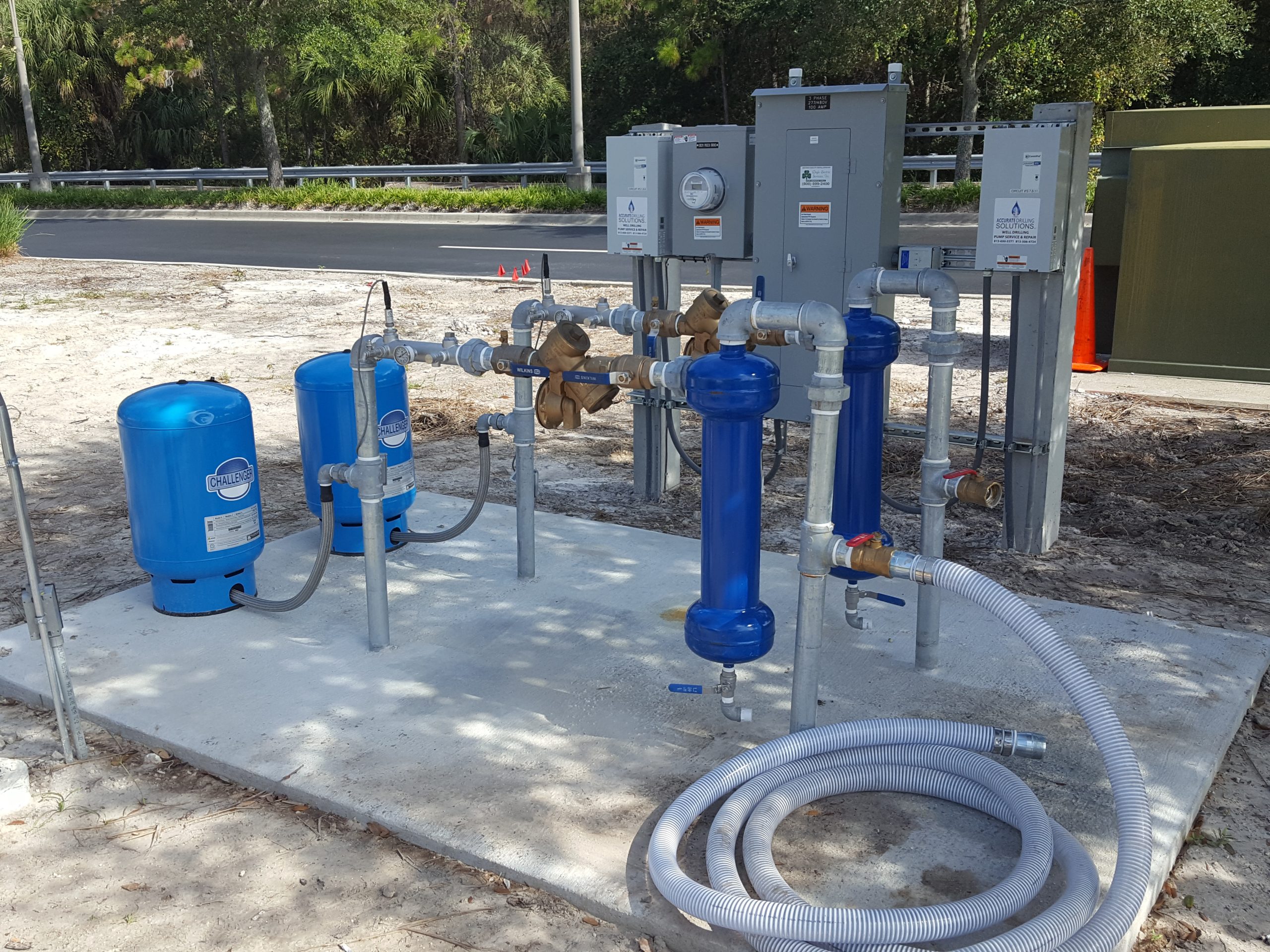
Your well pump works quietly in the background every day, delivering water to your home without much fanfare. But when something starts to go wrong, the signs are often there before a complete failure happens. Catching those signs early can mean the difference between a straightforward repair and an emergency well pump installation in Zephyrhills that disrupts your household for days.
Pasco County’s geology adds a few layers of complexity to well ownership. The limestone aquifer system beneath Zephyrhills is productive, but it also introduces specific challenges — from fine sediment intrusion to shifting water table levels during dry spells. Knowing what warning signs to watch for puts you ahead of the problem.
Why Early Detection Matters for Well Owners
Well pumps don’t usually fail all at once. They send signals. A pump that’s laboring under stress draws more electricity, wears faster, and often contaminates your water before it quits completely. Addressing well pump failure signs early protects your equipment, your water quality, and your budget.
Use this checklist to evaluate what your system is telling you right now.
The 7 Warning Signs to Watch For
1. Sputtering or Air in the Water Lines
If your faucets are spitting air along with water, your pump may be drawing from a dropping water level or there could be a break in the drop pipe inside the well casing. In Zephyrhills, seasonal drought periods can lower aquifer levels enough to cause air ingestion in shallower wells. This is not something to ignore — running a pump dry even briefly can cause serious motor damage.
2. Low Water Pressure Throughout the Home
Gradual pressure loss is one of the most common well pump failure signs. Low water pressure from a well can point to a worn impeller, a failing motor, a waterlogged pressure tank, or a partially blocked screen. If you’ve noticed that your shower pressure has dropped or your irrigation system isn’t reaching the way it used to, the pump or pressure tank deserves a close look. Don’t assume the pressure tank is fine just because it looks intact — a waterlogged tank is a frequent culprit in pump pressure tank problems across the region.
3. Sand or Grit Coming Through Your Faucets
Sand in well water is a red flag that should never be dismissed. Fine sediment in the Floridan aquifer system can enter through a deteriorating well screen, through casing damage, or when a pump pulls water faster than the formation can supply it. Over time, sand in well water accelerates wear on pump components and can damage household appliances and fixtures. If you’re seeing grit in your water, a video inspection of the well can quickly identify where the intrusion is occurring.
4. Unusually High Electric Bills
A struggling pump motor draws more power to do the same job. If your electric bill has climbed without an obvious explanation — and especially if it coincides with any of the other signs on this list — your pump could be operating under significant mechanical stress. This is one of the quieter well pump failure signs that often gets attributed to something else until more obvious symptoms appear.
5. The Pump Cycles On and Off Constantly
Short cycling — where the pump kicks on and off in rapid succession — almost always points to pump pressure tank problems. A waterlogged tank has lost its air charge, forcing the pump to work constantly just to maintain pressure. This puts heavy wear on the pump motor and reduces the system’s lifespan considerably. Constant cycling is one of the most reliable indicators that service is overdue.
6. Discolored or Cloudy Water
Brown, reddish, or cloudy water coming from your well can signal several problems. Rust from aging steel components, sediment disturbance from a failing pump, or bacterial activity in a compromised casing are all possibilities. Florida’s warm groundwater temperatures can accelerate bacterial growth in wells that have casing or screen damage. Discolored water is not just an aesthetic issue — it warrants professional evaluation before the water is used for drinking, cooking, or irrigation.
7. No Water at All
The most obvious sign is also the most urgent. A complete loss of water could mean the pump has failed, that the power supply to the pump has been interrupted, or that a well component has broken down entirely. In the aftermath of a storm — something Zephyrhills residents deal with during active hurricane seasons — power surges can damage pump motors even when they appear to start normally. If your well has gone silent, professional diagnosis should happen the same day.
Florida-Specific Factors That Accelerate Pump Wear
Zephyrhills sits over the Floridan aquifer, one of the most productive limestone aquifer systems in the country. That’s good news for water availability. But limestone formations also introduce naturally occurring minerals, variable water chemistry, and the potential for fine sediment migration that puts extra demands on pump equipment.
Sulfur compounds are common in many Pasco County wells. Hydrogen sulfide doesn’t damage pumps directly, but its presence often indicates water chemistry that can be corrosive to metal pump components over time. Florida’s intense summer rainy season followed by dry winters also means aquifer levels fluctuate, which affects pump load and performance throughout the year.
Choosing equipment rated for Florida groundwater conditions matters. Accurate Drilling Solutions is a premier dealer of Grundfos pumps — a brand engineered for demanding water conditions — which is part of why so many Pasco County property owners and HOAs rely on them for installations and replacements.
What to Do When You Spot These Signs
Not every warning sign means you need a full replacement. Some issues — like a waterlogged pressure tank or a tripped breaker — are straightforward repairs when caught early. Others, like a pump with a failed motor or a well with a deteriorating screen, may require more involved service or a new installation.
The important thing is not to wait. Pump problems compound quickly. What starts as low water pressure from a well can escalate to a burned-out motor within weeks if the underlying cause isn’t addressed. A professional assessment will identify exactly what’s happening and what level of service your system actually needs.
If you’re serving a property with multiple units — an HOA community, a commercial property, or a CDD-managed development — regular maintenance agreements can catch these warning signs before residents or tenants ever notice a problem. Explore what a maintenance agreement covers and how it protects your investment long-term.
Frequently Asked Questions
How long should a well pump last in the Zephyrhills area?
Most submersible well pumps last between 10 and 15 years under normal operating conditions. Florida’s mineral-rich groundwater and the demands of year-round irrigation use can shorten that range. Pumps that experience frequent short cycling, sand intrusion, or voltage irregularities from storms tend to wear faster. Regular maintenance and prompt attention to warning signs can help a pump reach or exceed its expected service life.
What causes sand to appear in well water?
Sand in well water typically comes from a deteriorating well screen, a pump positioned too close to the bottom of the casing, or a pump that’s pulling water faster than the formation can supply it. Casing damage from age or ground movement can also allow fine sediment to enter. A video inspection is the most reliable way to identify exactly where the intrusion is occurring and what repair approach is appropriate.
Can pump pressure tank problems affect water quality?
A waterlogged pressure tank doesn’t directly contaminate water, but the constant pump cycling it causes accelerates wear on the motor and other components. Over time, that mechanical stress can lead to failures that do affect water quality — such as a damaged impeller pulling sediment or a compromised casing seal. Addressing pressure tank problems early protects the entire system, not just the tank itself.
Is low water pressure always a sign of a failing pump?
Not always. Low water pressure from a well can also come from a partially closed valve, a clogged sediment filter, a waterlogged pressure tank, or a pressure switch set too low. However, gradual pressure loss that develops over weeks or months — especially in an older system — frequently does point to a pump that’s losing performance. A professional diagnosis will quickly distinguish between a simple adjustment and a component that needs service.
What should I do immediately if I lose all water from my well?
First, check that the circuit breaker for the pump hasn’t tripped — this is a quick and common cause of sudden water loss. If power is intact, avoid running the pump repeatedly trying to restore pressure, as this can worsen motor damage. Contact a licensed well pump service professional the same day. In Zephyrhills and surrounding Pasco County, same-day response is often available for complete water loss situations.
How do I know if my well needs a new pump or just a repair?
Age, the severity of the symptoms, and the condition of related components all factor into that decision. A pump under 10 years old with isolated symptoms — like a failed capacitor or a waterlogged tank — is often a strong candidate for repair. A pump over 12 to 15 years old with multiple warning signs may be more cost-effective to replace entirely. A qualified technician can assess the full system and give you an honest recommendation based on what the equipment actually shows.
If you’re seeing any of these warning signs on your property, don’t wait for a complete failure. The Accurate Drilling Solutions team serving Zephyrhills is ready to evaluate your system and give you a clear picture of what it needs. Call 813-643-6161 to schedule a professional assessment.
continue reading
Related Posts
Plant City property owners rely on private wells that can show subtle warning signs long before a full failure occurs. This checklist covers the key indicators — from declining yield and sulfur odor changes to sediment increases and aging well structure — that signal it's time for a professional water well evaluation.

Bradenton well owners should know the early warning signs of a failing pump before a minor issue becomes a full system failure. This checklist covers pressure fluctuations, air in faucets, sand intrusion, unusual cycling, and other symptoms tied to Manatee County aquifer conditions. Catching these signs early can prevent costly emergencies.

Improperly closing an old well in Lakeland or Polk County can trigger permit violations, groundwater contamination liability, and complications during property sales. This article outlines the most common well abandonment mistakes and explains exactly how to avoid each one.