Zephyrhills Guide to Summer Well Preparation
As the Florida heat begins its annual ascent, residents relying on private wells need to shift their focus towards ensuring their water systems are ready for the demanding summer months. For homeowners and businesses in Zephyrhills and Wesley Chapel, proactive well preparation is not just advisable; it’s essential for maintaining a reliable and safe water supply. This Zephyrhills Guide to Summer Well Preparation aims to provide comprehensive insights and actionable steps to safeguard your well system against the challenges of increased usage, potential storms, and high temperatures.
Summer often brings increased water demand for irrigation, pools, and general household use. Simultaneously, the season poses risks like drought conditions stressing aquifers or heavy rains and storms potentially contaminating well water or damaging equipment. Proper preparation mitigates these risks, ensuring your well continues to function efficiently and deliver clean water when you need it most.
Understanding Summer’s Impact on Your Well System
Summer in Florida presents a unique set of challenges for well water systems. Increased temperatures can accelerate bacterial growth if conditions are right, making water quality testing even more critical. Higher demand can strain pumps and lower water levels in the aquifer, potentially leading to reduced water pressure or, in severe cases, the pump drawing air.
Furthermore, the Atlantic hurricane season coincides with summer. Intense rainfall can lead to surface water runoff potentially carrying contaminants towards the wellhead. Flooding can submerge the wellhead, creating a direct pathway for pollutants like bacteria, pesticides, and chemicals to enter your water supply. Power outages during storms can also leave you without water if you don’t have a backup power source for your pump. Understanding these potential impacts is the first step in effective summer well preparation.
Pre-Summer Well Inspection: What to Look For
Before the summer heat peaks, a thorough inspection of your well system is crucial. This visual check can help identify potential problems before they escalate into costly repairs or water outages. Start at the wellhead. Is the well cap securely in place and watertight? Check for cracks or damage. Ensure the ground around the wellhead slopes away to prevent surface water pooling. There should be no debris, vegetation, or potential sources of contamination (like fuel tanks or septic systems) within the recommended setback distances, typically 50-100 feet depending on the source. You can find general guidelines on wellhead protection from resources like the U.S. Environmental Protection Agency (EPA).
Listen to your pump. Does it cycle on and off more frequently than usual? This could indicate a leak in the system or a problem with the pressure tank. Check visible plumbing connections for leaks. Inside the house, pay attention to water pressure and flow rate. Any significant changes could signal an issue with the pump, pressure tank, or even dropping water levels in the well.
Water Quality Testing: A Non-Negotiable Step
While annual water testing is recommended for all well owners, a pre-summer test is particularly important. Increased temperatures and potential heavy rainfall can impact water quality. Testing before the season gives you a baseline and allows time to address any issues found. At a minimum, test for total coliform bacteria and E. coli, which are indicators of potential contamination. Depending on your location in the Zephyrhills area and past water quality history, you might also consider testing for nitrates, pH, volatile organic compounds (VOCs), and specific minerals common in Florida aquifers.
Accurate Drilling Solutions can assist with professional water sampling and testing, ensuring correct procedures are followed for reliable results. If testing reveals contamination, immediate action, such as shock chlorination or installing a water treatment system (like UV disinfection or filtration), is necessary. The Florida Department of Health provides resources on private well testing and interpreting results.
Pump System Check-up: Ensuring Efficiency and Reliability
Your well pump and pressure tank work hardest during the summer. A professional check-up can ensure they are operating efficiently and reliably. This service typically involves:
- Checking pump motor amperage draw (high amps can indicate wear or impending failure).
- Verifying pressure tank air charge (incorrect charge leads to rapid pump cycling).
- Inspecting the pressure switch contacts and settings.
- Checking system wiring and electrical components for safety and corrosion.
- Measuring pump flow rate and pressure to assess performance against specifications.
Addressing minor issues like a waterlogged pressure tank or worn capacitor is much less expensive than dealing with a complete pump failure during a heatwave. Consider a maintenance agreement with a qualified company like Accurate Drilling Solutions for scheduled check-ups in Zephyrhills or Wesley Chapel.
Dealing with Increased Water Demand
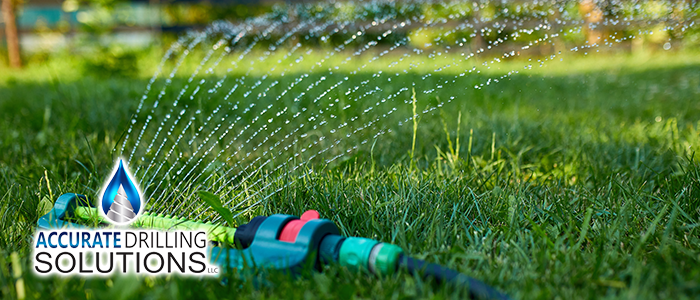
Summer activities inevitably lead to higher water usage. Lawn irrigation, filling pools, and increased household use can strain your well system. If you anticipate significantly higher demand, ensure your pump and well yield can handle it. Running a pump continuously or exceeding the well’s recharge rate can damage the pump and potentially deplete the aquifer locally.
Water conservation measures become crucial. Water your lawn efficiently (early morning or late evening), install low-flow fixtures, and fix any leaks promptly. If consistently low pressure or water outages occur during peak demand, it might indicate the need for a larger pump, a deeper well, or potentially a storage tank system to buffer demand.
Storm Preparedness for Well Owners
Hurricane season requires specific preparations for well owners. Before a storm threatens:
- Ensure your well cap is secure and watertight.
- Clear the area around the wellhead of potential debris.
- Have an emergency supply of stored drinking water (1 gallon per person per day for several days).
- If you have a generator, ensure it’s operational and you know how to safely connect it to power your well pump (use a transfer switch).
- After a storm, visually inspect the wellhead for damage. If flooding occurred near or over the wellhead, assume the water is contaminated and get it tested before drinking. Shock chlorinate if necessary.
Being prepared can prevent waterborne illness and minimize disruption to your water supply after a storm passes through the Wesley Chapel area.
Conclusion: Partnering for a Worry-Free Summer
Following this Zephyrhills Guide to Summer Well Preparation provides a solid foundation for ensuring your well system performs reliably throughout the demanding summer months. From visual inspections and water quality testing to pump system check-ups and storm preparedness, proactive measures are key. Don’t wait for a problem to arise during the peak of summer.
For professional assistance with well inspections, water testing, pump service, maintenance agreements, or any concerns about your water system in Zephyrhills, Wesley Chapel, or surrounding Florida communities, trust the experts. Contact Accurate Drilling Solutions today to schedule your pre-summer well check-up and enjoy a worry-free season with clean, reliable water.
continue reading
Related Posts
If your geothermal system in Largo is showing signs of reduced performance, the supply well may be the source of the problem. This article covers the key symptoms of well yield decline, limestone aquifer scaling, and reduced system efficiency — and what to do about them.
Selecting the right well pump system in Zephyrhills involves more than picking a pump off a shelf. This guide walks Pasco County property owners through submersible vs. jet pump comparisons, Florida-specific sizing factors, and why professional installation is the only responsible path forward.

Largo's coastal position, shallow Floridan Aquifer access, and aging residential well infrastructure create specific stress patterns on well pump systems. Understanding these local conditions helps homeowners protect their equipment before problems develop. Learn what makes Largo different — and what to do about it.