
New Port Richey: Spring Well Maintenance Essentials
As spring breathes new life into New Port Richey and nearby Port Richey, it’s the perfect time for homeowners with private wells to focus on upkeep. After the relatively dormant winter months, ensuring your well system is ready for the increased demands of warmer weather is crucial. Performing Spring Well Maintenance Essentials helps guarantee a safe, reliable water supply for your household, preventing potential issues before they disrupt your daily life or lead to costly emergency repairs. This proactive approach is vital for protecting your family’s health and the longevity of your well components.
This guide highlights the fundamental spring maintenance tasks specifically relevant for well owners in the New Port Richey and Port Richey areas, ensuring your system transitions smoothly into the high-use seasons.
Post-Winter Visual Wellhead Inspection
The first step in your spring routine should be a thorough visual inspection of the wellhead area. Winter weather, even mild Florida winters, can sometimes cause subtle shifts or damage. Check the physical condition of the well cap – is it securely fastened, free of cracks, and properly sealed? Any damage could allow insects, debris, or surface water runoff to enter the well, potentially contaminating your water source. Examine the visible portion of the well casing for any signs of cracking, corrosion, or damage. Look at the ground immediately surrounding the wellhead. Ensure it slopes away from the casing to direct rainwater and surface runoff away, preventing pooling which could seep down and compromise water quality. Also, inspect any exposed electrical conduit for damage or wear. Noting these details is a key part of Spring Well Maintenance Essentials.
The Critical Importance of Spring Water Testing
Annual water testing is recommended for all private wells, and spring is an ideal time to schedule it. Changes in groundwater flow patterns after winter rains can potentially alter water quality or mobilize contaminants. Testing provides peace of mind that your water remains safe to drink. At a minimum, test for total coliform bacteria, E. coli (indicators of potential fecal contamination), and nitrates (a concern especially for infants and pregnant women). Consider additional tests based on your well’s history and local conditions near New Port Richey or Port Richey – perhaps checking pH, hardness, iron, or sulfur if those have been issues previously. Always use a state-certified laboratory for accurate results, following their sampling procedures carefully. Addressing any identified water quality issues promptly is paramount.
Pump and Pressure Tank Performance Check
Pay attention to how your pump and pressure tank are operating as part of your Spring Well Maintenance Essentials. Listen for any new or unusual noises coming from the pump during operation – grinding, clicking, or excessive loudness could indicate wear or impending problems. Observe the pump’s cycling frequency. Does it turn on and off very rapidly when water is used? This “short cycling” often points to a problem with the pressure tank, typically a loss of air charge, which puts excessive strain on the pump motor. Check your water pressure at various faucets. Is it consistently strong, or has it decreased noticeably? Fluctuating or low pressure can signal pump issues, leaks in the system, or clogged filters. While a homeowner’s check is preliminary, these observations are valuable when discussing potential issues with a professional.
Verifying Well Cap and Seal Integrity
Reiterating the importance of the well cap seal is necessary because it’s a primary defense against contamination. Ensure the cap fits snugly and that any gaskets or seals are intact. The top of the well casing should extend sufficiently above ground level (check local Pasco County codes, but typically at least 12 inches) to prevent surface water from entering during heavy rains. The area around the well should be kept clear of debris, chemicals, animal waste, and potential sources of contamination. Ensuring a secure wellhead is a simple yet vital step in protecting your water quality. This basic check is fundamental to Spring Well Maintenance Essentials and overall well safety, as outlined by resources like the WellOwner.org program.
Managing Landscape and Drainage Around the Well
Proper landscaping and drainage management around the wellhead contribute significantly to protecting your water source. Ensure the ground slopes away from the well for at least 10-15 feet to prevent surface water ponding. Avoid planting trees or shrubs with invasive root systems too close to the well, as roots can potentially damage the casing over time. Be mindful of applying fertilizers, pesticides, or herbicides near the wellhead, as these chemicals could potentially leach into the groundwater. Maintaining a clear, well-drained area around the well is a simple preventative measure.
Recognizing Warning Signs Requiring Professional Attention
While routine checks are helpful, certain signs warrant immediate professional evaluation by a qualified well service company like Accurate Drilling Solutions. These include:
- Sudden, significant drop in water pressure or flow.
- Cloudy, muddy, or discolored water.
- New or unusual tastes or odors (e.g., fuel, chemical, sewage, rotten egg).
- Pump runs continuously or cycles extremely frequently.
- Loss of water altogether.
- Positive test results for bacteria or high levels of other contaminants.
Ignoring these warning signs can lead to more severe problems or health risks. Prompt professional diagnosis and repair are crucial.
Benefits of a Professional Spring Check-up
While the homeowner checks listed above are important Spring Well Maintenance Essentials, they don’t replace a comprehensive inspection by a trained professional. Accurate Drilling Solutions technicians have the tools and expertise to perform more in-depth diagnostics. They can accurately measure pump motor electrical parameters (amps, volts), check the pressure tank’s air pre-charge, inspect valves, test water flow and pressure precisely, and potentially conduct downhole video inspections if needed. They can identify subtle issues, perform preventative maintenance like cleaning sediment filters, and ensure the entire system is operating efficiently and safely for the upcoming season. An annual professional check-up provides the most thorough assessment of your well system’s health.
Conclusion: Preparing Your New Port Richey Well for Peak Season
For homeowners in New Port Richey and Port Richey, taking the time for Spring Well Maintenance Essentials is a wise investment. Conducting visual inspections, scheduling annual water tests, monitoring system performance, ensuring wellhead security, managing the surrounding landscape, and knowing when to call for professional help are all key components of responsible well ownership. These steps help ensure your private well system continues to provide a safe and reliable water supply throughout the spring, summer, and beyond.
Don’t wait for problems to arise. Schedule your professional spring well maintenance check-up with Accurate Drilling Solutions today. Visit https://accurate4.com for more information and to connect with their experienced team.
continue reading
Related Posts
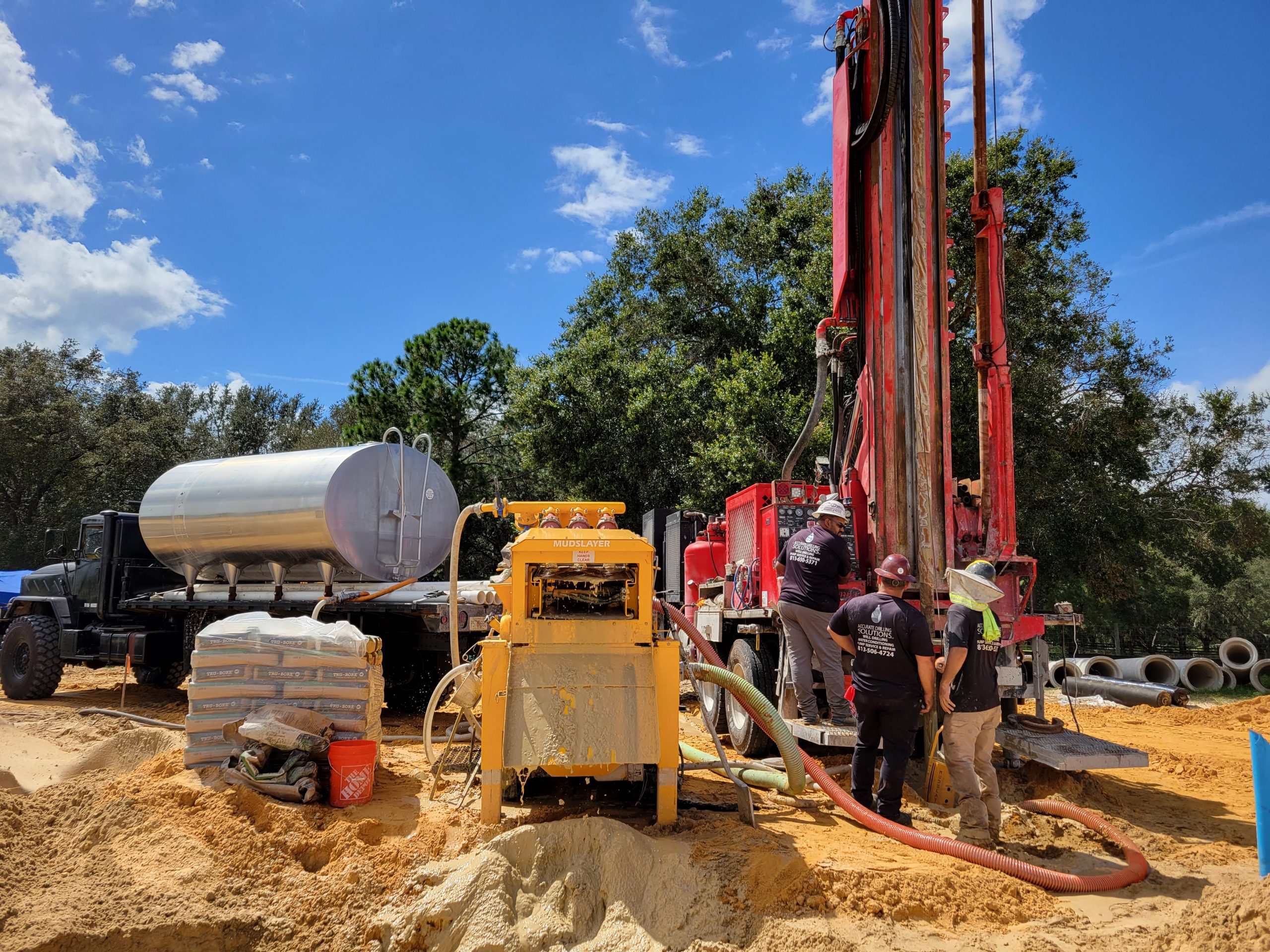
If your geothermal system in Largo is showing signs of reduced performance, the supply well may be the source of the problem. This article covers the key symptoms of well yield decline, limestone aquifer scaling, and reduced system efficiency — and what to do about them.
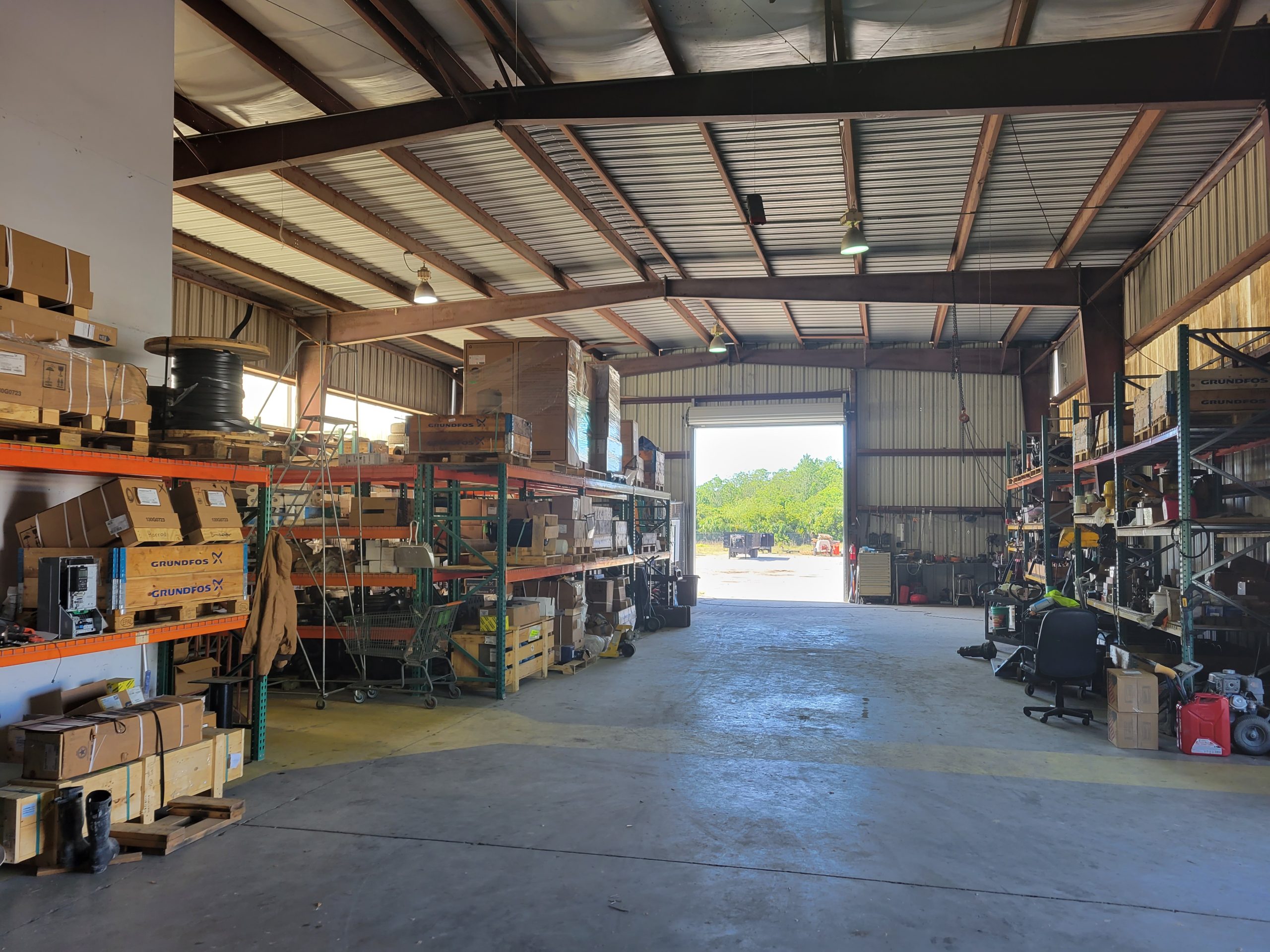
Selecting the right well pump system in Zephyrhills involves more than picking a pump off a shelf. This guide walks Pasco County property owners through submersible vs. jet pump comparisons, Florida-specific sizing factors, and why professional installation is the only responsible path forward.

Largo's coastal position, shallow Floridan Aquifer access, and aging residential well infrastructure create specific stress patterns on well pump systems. Understanding these local conditions helps homeowners protect their equipment before problems develop. Learn what makes Largo different — and what to do about it.