Water Conservation Tips for Clearwater Well Owners
Living in beautiful Clearwater or nearby St. Petersburg offers many advantages, but responsible water usage is crucial, especially for residents relying on private wells. Unlike municipal water users, well owners draw directly from the local aquifer, making conservation not just an environmental responsibility but also a vital practice for protecting their personal water source and ensuring the longevity of their well system. Implementing effective **Water Conservation Tips** helps preserve precious groundwater resources, reduces strain on well pumps, saves energy, and can prevent issues related to well depletion, particularly during drier periods.
This guide provides practical water-saving strategies tailored for well owners in the Clearwater and St. Petersburg areas, covering both indoor and outdoor practices, as well as system efficiency considerations.
Why Conservation Matters More for Well Owners
While everyone should practice water conservation, it holds particular significance for those with private wells. Your well draws from a shared underground aquifer. Excessive pumping by numerous wells in an area can lower the water table, potentially causing wells (especially shallower ones) to run dry or experience reduced yield. Conserving water helps maintain aquifer levels, ensuring a more sustainable water supply for yourself and your neighbors. Furthermore, every gallon pumped requires energy to run the well pump. Using less water directly translates to lower electricity bills. Reducing demand also lessens the wear and tear on your pump and pressure tank, potentially extending their lifespan and reducing the frequency of costly repairs or replacements. Implementing **Water Conservation Tips** is an investment in both environmental health and personal finances.
Indoor Water Conservation Strategies
Significant water savings can be achieved inside the home with mindful habits and efficient fixtures. Start by checking for and repairing leaks promptly. A dripping faucet or running toilet can waste hundreds, even thousands, of gallons per year. Consider upgrading to low-flow fixtures and appliances:
- Toilets: Replace older models (using 3.5+ gallons per flush) with WaterSense labeled toilets (using 1.28 gallons or less).
- Showerheads: Install low-flow showerheads, which can reduce water use by 25-60% without sacrificing performance.
- Faucet Aerators: Attach aerators to kitchen and bathroom sinks to reduce flow while maintaining pressure.
- Appliances: When replacing dishwashers or clothes washers, choose high-efficiency models that use significantly less water per cycle.
Beyond fixtures, simple behavioral changes make a difference. Take shorter showers, turn off the tap while brushing teeth or shaving, and only run dishwashers and washing machines with full loads. These cumulative actions significantly reduce indoor water consumption.
Outdoor Water Conservation: Landscaping and Irrigation
Outdoor water use, primarily for landscaping, often accounts for the largest portion of household water consumption, especially in Florida’s climate. Implementing smart outdoor **Water Conservation Tips** is crucial. Consider adopting principles of Florida-Friendly Landscaping™, promoted by the University of Florida IFAS Extension. This involves selecting drought-tolerant native plants adapted to the Clearwater/St. Petersburg environment, reducing lawn areas, and using mulch to retain soil moisture. When irrigation is necessary, do it efficiently. Water early in the morning to minimize evaporation. Use drip irrigation or soaker hoses for garden beds and trees, as they deliver water directly to the roots. If using sprinklers, ensure they water plants, not pavement, and adjust run times seasonally. Installing a rain sensor on automatic sprinkler systems prevents unnecessary watering after rainfall. Collecting rainwater in barrels for watering plants is another excellent conservation method.
Well System Efficiency and Leak Detection
The efficiency of your well system itself plays a role in water conservation. A system operating optimally uses less energy and potentially less water (by avoiding waste). Ensure your pump is appropriately sized for your needs – an oversized pump can waste energy and cycle inefficiently. Regular maintenance by professionals like Accurate Drilling Solutions is key. They can check the pressure tank’s air charge (an improperly charged tank causes frequent pump cycling, wasting energy), inspect for leaks in the system components, and ensure the pump is performing efficiently. Even small leaks in the underground pipes between the well and the house, or within the well components themselves, can waste significant amounts of water undetected. If you suspect a leak (e.g., unexplained wet spots in the yard, pump running when no water is being used), have it investigated promptly.
Understanding Your Aquifer and Local Conditions
Being aware of local water conditions can further motivate conservation efforts. The Floridan aquifer system, which supplies much of the region’s water, faces pressures from population growth and development. While generally prolific, localized areas can experience drawdowns, especially during dry seasons or droughts. Saltwater intrusion is also a concern in coastal areas like Clearwater and St. Petersburg, where over-pumping can draw seawater into the freshwater aquifer. Practicing **Water Conservation Tips** helps mitigate these risks, protecting the long-term quality and availability of your groundwater source. Staying informed through resources like local water management districts (e.g., Southwest Florida Water Management District) can provide valuable context.
Accurate Drilling Solutions: Partners in Efficiency
While conservation habits are the homeowner’s responsibility, ensuring your well system operates efficiently contributes significantly. Accurate Drilling Solutions can help Clearwater and St. Petersburg well owners optimize their systems. Through regular maintenance checks, they can identify inefficiencies, recommend pump or pressure tank upgrades (like VFD systems for energy savings), and detect hidden leaks using techniques like video inspections if necessary. A well-maintained, efficient system draws only the water needed, supporting your conservation goals.
Conclusion: Preserving Clearwater’s Water Resources
For well owners in Clearwater and St. Petersburg, water conservation is more than just a good practice – it’s essential stewardship of a vital resource. By implementing practical **Water Conservation Tips** indoors and outdoors, maintaining an efficient well system, and understanding local aquifer conditions, residents can significantly reduce their water footprint. These actions not only protect the environment and groundwater supply but also lead to tangible savings on energy bills and prolong the life of well equipment.
Take control of your water usage today. For expert advice on well system efficiency and maintenance to support your conservation efforts, contact Accurate Drilling Solutions via their website: https://accurate4.com.
continue reading
Related Posts
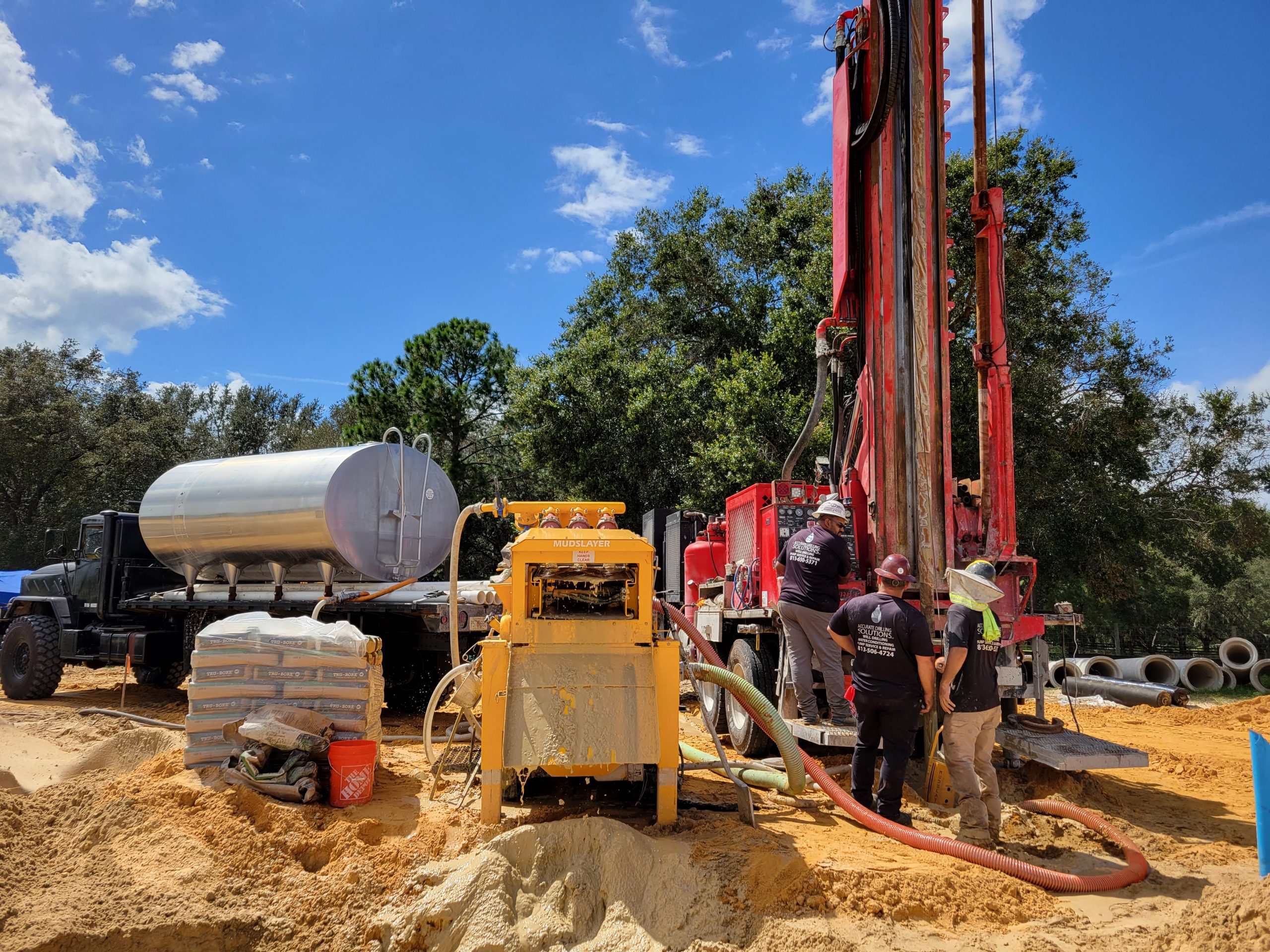
If your geothermal system in Largo is showing signs of reduced performance, the supply well may be the source of the problem. This article covers the key symptoms of well yield decline, limestone aquifer scaling, and reduced system efficiency — and what to do about them.
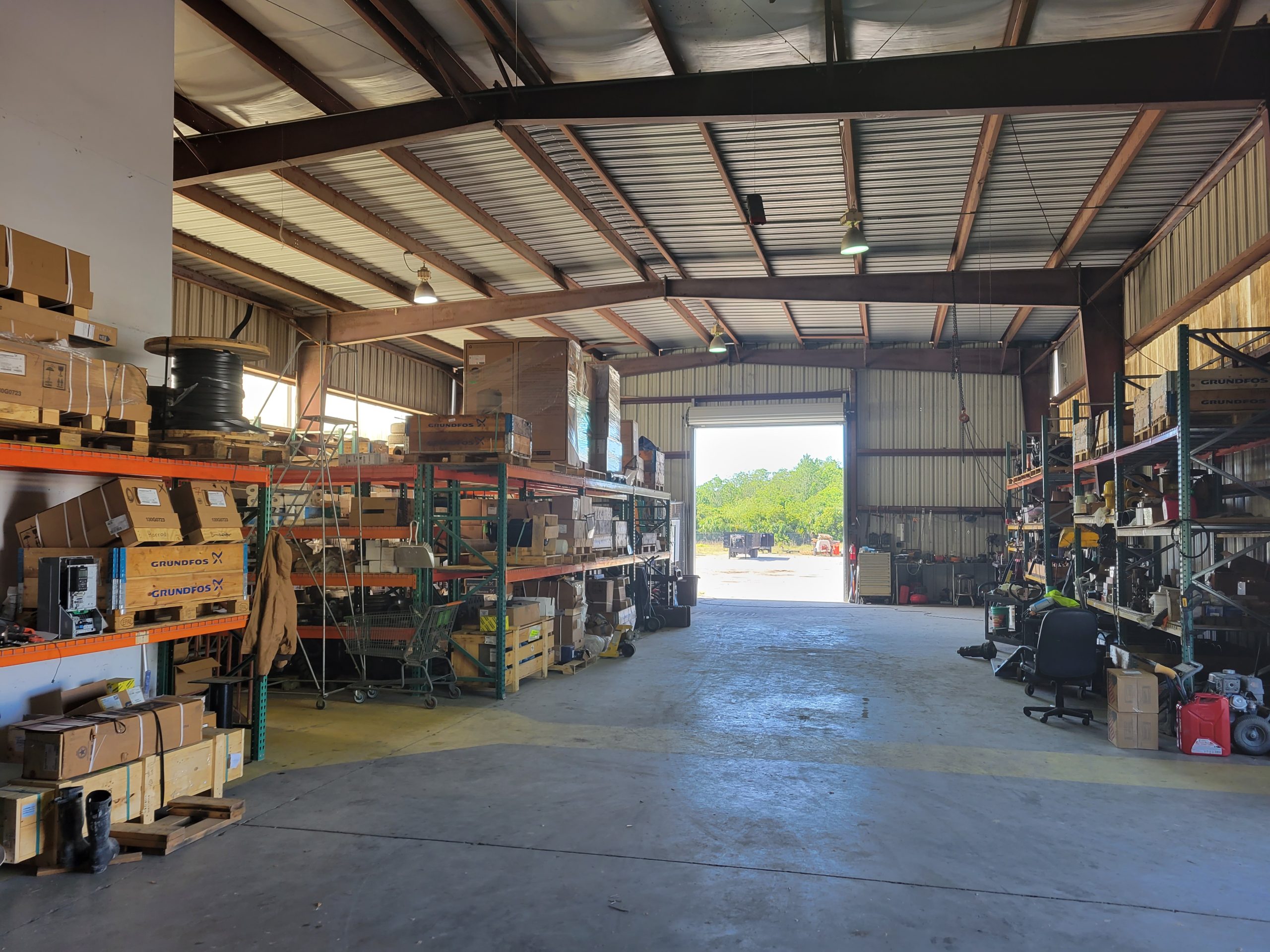
Selecting the right well pump system in Zephyrhills involves more than picking a pump off a shelf. This guide walks Pasco County property owners through submersible vs. jet pump comparisons, Florida-specific sizing factors, and why professional installation is the only responsible path forward.
Largo's coastal position, shallow Floridan Aquifer access, and aging residential well infrastructure create specific stress patterns on well pump systems. Understanding these local conditions helps homeowners protect their equipment before problems develop. Learn what makes Largo different — and what to do about it.