
If you own a home in Largo and rely on a private well, questions about what’s actually happening underground are completely normal. The water comes out of the tap, things seem fine — but wells age, and Pinellas County’s geology creates specific conditions that can quietly cause problems before any obvious symptoms appear. A video well inspection is one of the clearest ways to see what’s going on inside a well, and homeowners here tend to have sharp questions about it. Here are the ones we hear most often.
What Does a Video Well Inspection Actually Show?
A waterproof camera is lowered down the well casing on a cable, transmitting real-time footage to a monitor at the surface. The footage reveals the condition of the casing walls, the depth and clarity of water, and any visible debris, corrosion, or structural changes along the way.
Specifically, a well camera inspection in Pinellas County can reveal casing cracks or separations, mineral scale buildup, sediment accumulation at the bottom, root intrusion in shallow wells, and signs of screen damage or collapse. It can also show whether the pump is seated at the right depth and whether the drop pipe looks intact. What you get is a factual, documented look at the interior of your well — something no surface-level test can provide.
How Is a Video Inspection Different for Older Wells in Pinellas County?
Older wells in the Largo area deserve particular attention. Many properties in this part of Pinellas County have wells that were drilled decades ago, some with steel casings that have had years of exposure to the naturally corrosive groundwater here. Steel corrodes. Older grout seals can fail. And in some cases, older well designs don’t meet current Florida Department of Environmental Protection standards.
Pinellas County sits above the Floridan Aquifer System, a limestone-based aquifer that supplies much of the region’s groundwater. Limestone geology means dissolved minerals are common in the water column, and those minerals — particularly calcium carbonate — can scale up inside casings and screens over time. In older wells, a professional video well inspection often uncovers scaling or corrosion that has been developing for years without any obvious change in water quality at the tap.
My Water Has a Sulfur Smell — Will the Camera Show Why?
The sulfur odor that many Largo homeowners notice — that distinctive rotten egg smell — comes from hydrogen sulfide gas, which is naturally occurring in parts of Florida’s aquifer system. The camera itself won’t detect the gas, but it can reveal conditions that contribute to the problem.
For example, if the well casing has developed a breach or the grout seal has deteriorated, surface water or shallower groundwater with higher organic content can migrate in. Bacterial activity in a compromised well often intensifies sulfur odors. A visual inspection helps determine whether the well’s physical integrity might be a contributing factor, even when a water quality test handles the chemical side of the analysis. If your sulfur problem is persistent, combining a camera inspection with a water quality test gives you the most complete picture.
What About Sand or Sediment in the Water?
Sand and sediment intrusion is a real concern in some parts of Pinellas County, particularly in wells that draw from shallower formations or where the well screen has deteriorated. If you’re seeing grit in your fixtures or your water pump is wearing out faster than expected, sediment is a likely culprit.
A well camera inspection Pinellas County homeowners request for this reason often shows accumulated sediment at the bottom of the well, a damaged or corroded screen, or in some cases, casing perforations that shouldn’t be there. Knowing the source of the sediment — whether it’s a screen failure, a structural gap, or normal fine-particle carry — shapes what the repair or remediation approach should be. Without the camera, it’s guesswork.
Does a Video Inspection Make Sense Before Hurricane Season?
Florida’s storm season creates real pressure on well systems. Storm surge, heavy rainfall, and flooding can introduce contaminants into a well if the surface seal or wellhead is compromised. Having a documented baseline — what your well looked like before storm activity — is genuinely useful if you ever need to demonstrate contamination occurred after a specific event.
Scheduling a Largo well inspection before the active part of hurricane season is a practical step, not an overreaction. It also identifies any existing vulnerabilities that a storm could worsen, giving you a chance to address them ahead of time. You can learn more about well services available to Largo homeowners on the local service page.
When Should a Homeowner Request a Video Well Inspection?
There are several situations where a well camera inspection in Pinellas County makes clear sense:
- Your well is more than 15–20 years old and has never had a camera inspection
- You’re buying a property with an existing well and want to know its condition
- Water quality has changed — odor, color, taste, or sediment
- Your pump is cycling too frequently or running longer than usual
- You’ve had a recent flood event or significant storm near your property
- You’re troubleshooting recurring pump failures and surface diagnostics haven’t resolved the issue
The Accurate Drilling Solutions team serves Largo and the broader Pinellas County area and regularly performs video inspections as both diagnostic tools and preventive checks. Identifying a casing issue or sediment problem early is almost always less disruptive — and less involved — than dealing with a failed well later.
What Happens After the Inspection?
After the camera run is complete, you should receive a clear explanation of what was found, along with the recorded footage. If there are issues — casing damage, scaling, screen deterioration, sediment accumulation — the technician can walk you through what each finding means and what options exist for addressing it.
Not every inspection turns up a problem. Sometimes a well that’s been concerning a homeowner for years turns out to be in solid condition, and that peace of mind has real value. Either way, you’re making decisions based on direct evidence rather than assumptions. Accurate Drilling Solutions documents findings clearly so homeowners understand what they’re looking at. You can also explore well maintenance agreements if you want ongoing monitoring rather than periodic one-off inspections.
Frequently Asked Questions
How long does a video well inspection take?
Most residential video well inspections in the Largo area take between one and two hours, depending on the depth of the well and what the camera reveals along the way. If significant issues are found that require additional documentation or discussion, the process may run a little longer. In most cases, it is a same-day service with results reviewed on-site before the technician leaves.
Will the inspection disrupt my water service?
Typically, the pump needs to be pulled to allow the camera to descend freely, so there will be a temporary interruption to water service during the inspection. The technician will let you know what to expect beforehand. In most residential cases in Largo, service is restored the same day once the inspection is complete and the pump is reinstalled.
Can a video inspection confirm whether my well meets current Florida standards?
A camera inspection provides visual evidence of the well’s physical condition — casing depth, seal integrity, screen condition — which can indicate whether the construction aligns with current Florida Department of Environmental Protection standards. However, a formal compliance determination typically requires a licensed well contractor to review the inspection results alongside available permit records for the well.
Is a video well inspection the same as a water quality test?
No — these are two different tools. A video inspection examines the physical structure of the well: casing, screen, sediment, and mechanical components. A water quality test analyzes what’s in the water chemically and biologically. They complement each other well, and in many situations, running both gives the most complete understanding of a well’s overall condition and safety.
How often should a private well in Pinellas County be inspected with a camera?
There is no single universal rule, but a general guideline is every five to ten years for a well in normal use, or sooner if you notice changes in water quality, pump performance, or following a significant weather event. Older wells in Largo — particularly those over 20 years old with steel casings — benefit from more frequent inspection due to the higher likelihood of corrosion or seal degradation.
Does a video inspection work on any type of well?
Camera inspections work on most drilled wells, including domestic water wells and irrigation wells. The camera diameter and cable length determine how deep and how narrow a well can be inspected. Most standard residential wells in the Largo and Pinellas County area are compatible with modern well camera equipment. Your well service technician can confirm compatibility based on the well’s casing size and depth.
If you have questions about your well or want to schedule a video well inspection in Largo, Florida, contact Accurate Drilling Solutions at 813-643-6161. The team is available to assess your well’s condition and explain your options clearly, without pressure.
continue reading
Related Posts
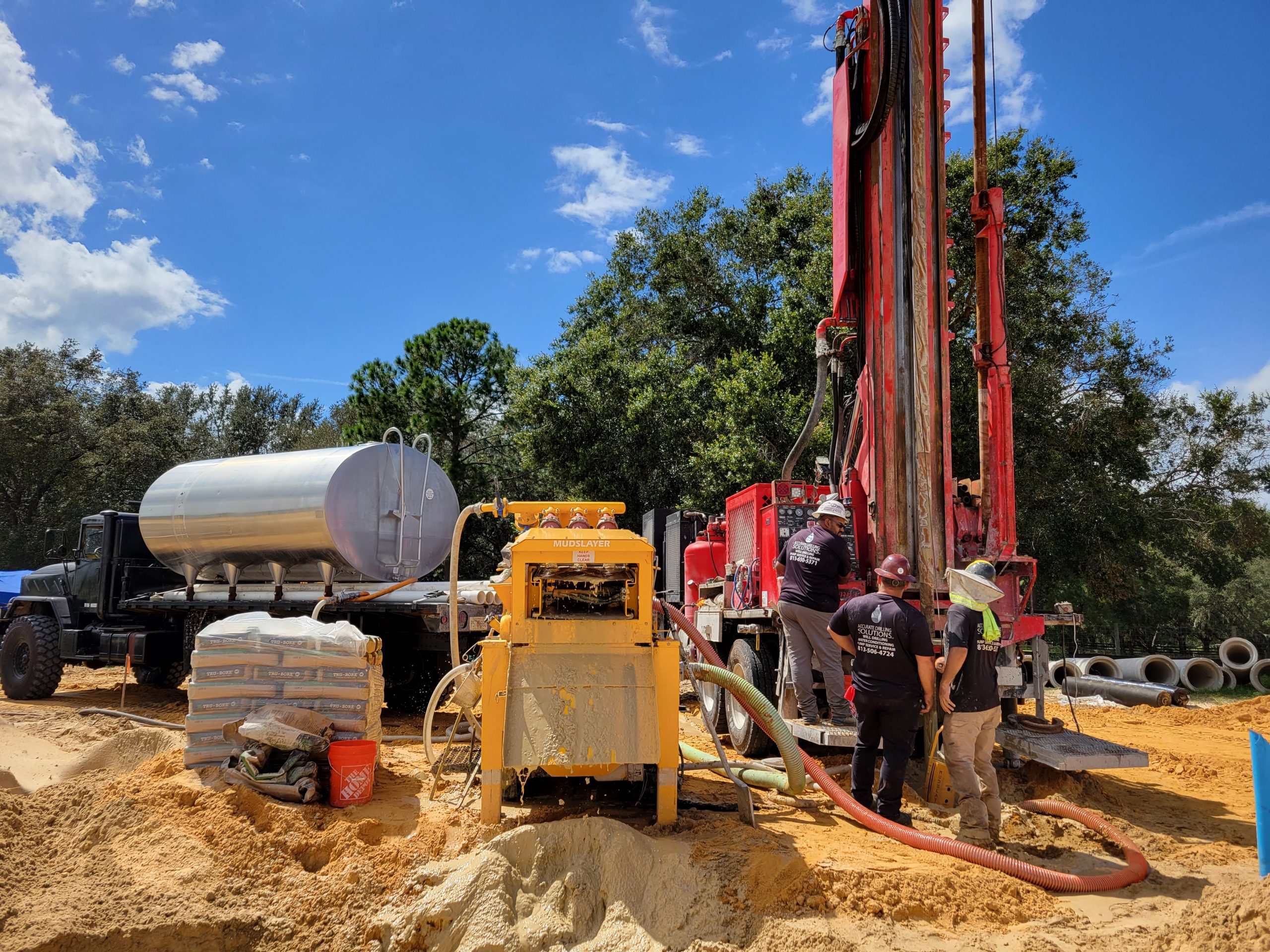
If your geothermal system in Largo is showing signs of reduced performance, the supply well may be the source of the problem. This article covers the key symptoms of well yield decline, limestone aquifer scaling, and reduced system efficiency — and what to do about them.
Selecting the right well pump system in Zephyrhills involves more than picking a pump off a shelf. This guide walks Pasco County property owners through submersible vs. jet pump comparisons, Florida-specific sizing factors, and why professional installation is the only responsible path forward.
Largo's coastal position, shallow Floridan Aquifer access, and aging residential well infrastructure create specific stress patterns on well pump systems. Understanding these local conditions helps homeowners protect their equipment before problems develop. Learn what makes Largo different — and what to do about it.