
PVC vs. Steel Well Casing: Which One to Choose for Your Well
If you are planning to drill a well for your residential or commercial property, one of the most important considerations is the type of well casing you choose. The casing serves as a protective barrier around the well to prevent contamination and ensure the integrity of the well. Two of the most common types of well casings are PVC and steel, each having their own set of pros and cons. In this article, we will compare PVC vs. steel and the advantages and disadvantages of each type to help you make an informed decision.
PVC Well Casing
PVC, or polyvinyl chloride, is a lightweight and inexpensive material that is commonly used for well casings. Here are some of the pros and cons of using PVC for your well casing:
Pros:
1. Cost-effective: PVC is relatively cheap compared to other materials, which makes it a popular choice for well owners.
2. Corrosion-resistant: PVC is resistant to corrosion from soil and water, making it a durable option for long-term use.
3. Lightweight: PVC casings are easy to handle and install, which can save time and effort during the drilling process.
4. Easy to customize: PVC can be cut to fit any required length, which makes it a versatile option for a wide range of well depths.
Cons:
1. Brittle: PVC can be brittle in cold temperatures and can crack or break during installation, which can be a significant disadvantage.
2. Susceptible to UV degradation: PVC is sensitive to UV light, which can cause it to deteriorate over time and reduce its lifespan.
3. Limited temperature range: PVC casings have limited temperature tolerance, which makes them unsuitable for hot water wells or geothermal applications.
Steel Well Casing
Steel is another common material used for well casings. Here are some of the advantages and disadvantages of steel well casings:
Pros:
1. Strong and durable: Steel is one of the strongest and most durable materials you can use for well casings, making it ideal for deep wells.
2. Heat-resistant: Steel casings can withstand high temperatures, which makes them suitable for hot water wells or geothermal applications.
3. Corrosion-resistant: Steel is resistant to corrosion, which makes it a long-lasting option for well casings.
Cons:
1. Expensive: Steel is more expensive than PVC, which can make it a less popular choice for some well owners.
2. Heavy and difficult to handle: Steel casings are heavy and require specialized equipment for installation, which can add to the cost and complexity of the drilling process.
3. Can be prone to corrosion: Although steel is corrosion-resistant, it can be prone to corrosion if exposed to certain types of soil or water.
In Conclusion
Choosing the right well casing is an important decision that should be based on several factors, such as cost, durability, and application. While PVC is a more cost-effective and lightweight option, it has limited temperature tolerance and can be brittle. On the other hand, steel is ideal for deep wells, is heat-resistant, and has excellent strength and durability, but it is more expensive and can be difficult to install.
At Accurate Drilling Solutions, we offer both PVC and steel well casings to meet the needs of our clients. Our team of experienced well drillers can help you choose the right type of casing for your well and ensure a smooth and hassle-free installation process.
continue reading
Related Posts
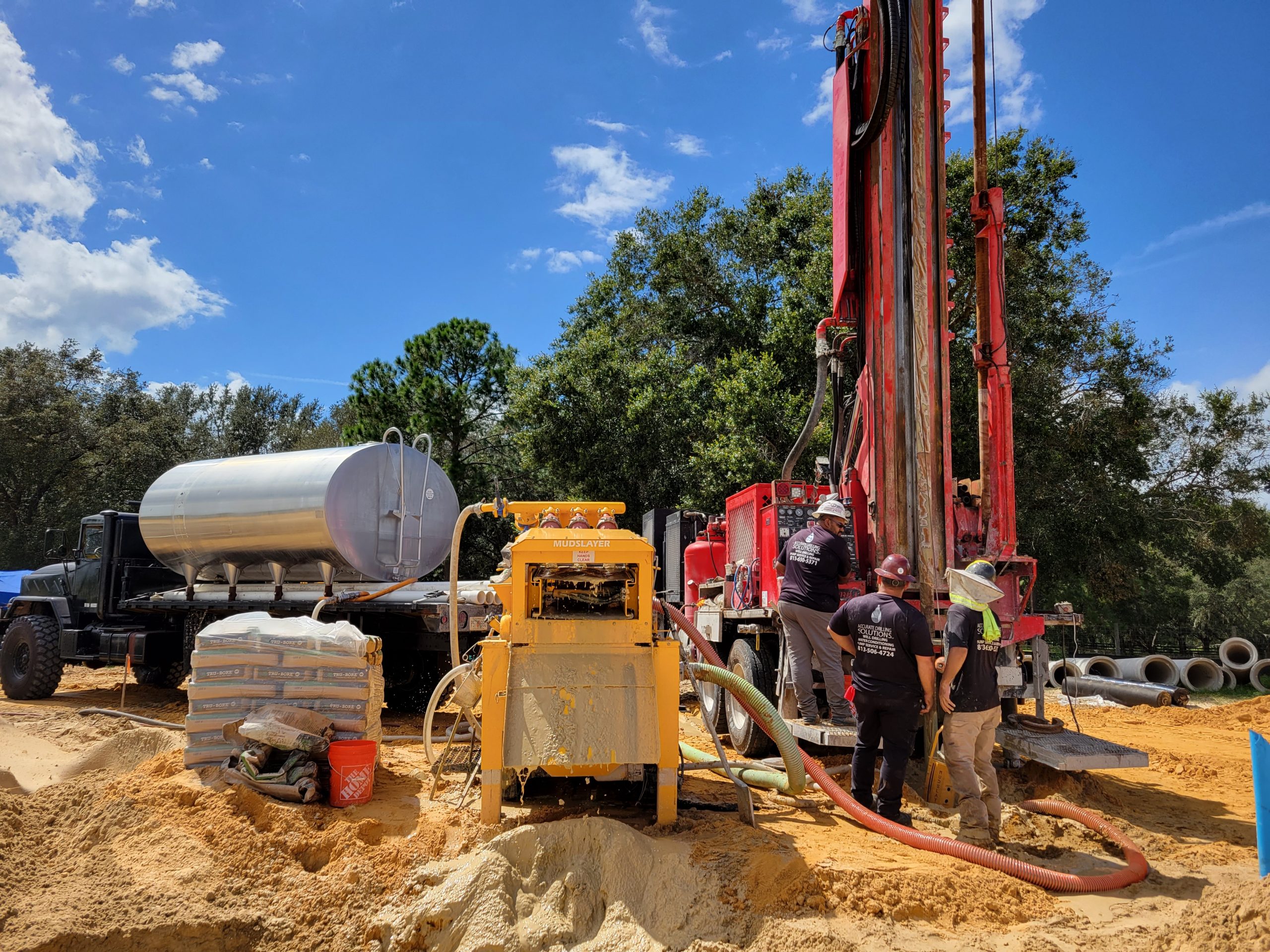
If your geothermal system in Largo is showing signs of reduced performance, the supply well may be the source of the problem. This article covers the key symptoms of well yield decline, limestone aquifer scaling, and reduced system efficiency — and what to do about them.
Selecting the right well pump system in Zephyrhills involves more than picking a pump off a shelf. This guide walks Pasco County property owners through submersible vs. jet pump comparisons, Florida-specific sizing factors, and why professional installation is the only responsible path forward.

Largo's coastal position, shallow Floridan Aquifer access, and aging residential well infrastructure create specific stress patterns on well pump systems. Understanding these local conditions helps homeowners protect their equipment before problems develop. Learn what makes Largo different — and what to do about it.