The Importance of Understanding Well-Drilling Regulations
Water is a vital resource for every household, and drilling a well is one way to guarantee a clean and sustainable supply of water. However, drilling a well is not as simple as it sounds. There are well-drilling regulations in place that must be followed to ensure the process is safe, efficient, and environmentally friendly. That’s why it’s essential to understand the well drilling regulations in your area before embarking on a well drilling project.
Regulations on Well Construction
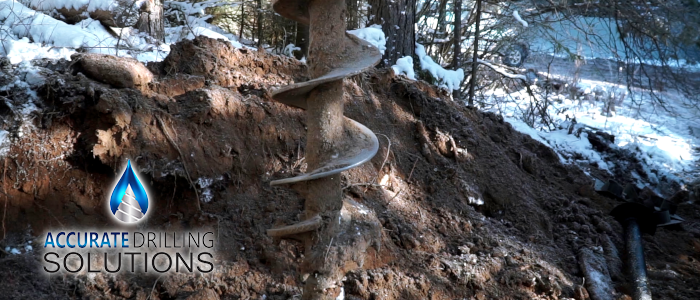
Well construction is regulated to ensure that the well is structurally sound, and the water is safe for consumption. The regulations also aim to protect groundwater sources from contamination. A licensed and experienced contractor should handle all aspects of well construction. The contractor must obtain the appropriate permits from the local authorities before beginning the project. Once the project is complete, the contractor must ensure that the well meets all the required regulations and standards.
Water Quality Testing
It’s essential to test the water quality by accredited laboratories before and after drilling a well. This ensures that the water is safe for consumption and complies with the set standards. The testing measures parameters such as pH, turbidity, total dissolved solids, nitrates, and bacteria, among others. It’s important to note that the water quality can also be affected by the well’s location, the depth of the well, and the geologic conditions surrounding the well.
Regulations on Well Abandonment
Well abandonment regulations aim to prevent unused wells from becoming a public safety hazard. An unused well can provide a direct route for contamination to enter the groundwater source. Regulations require the proper sealing off of unused wells to prevent this from happening. The process involves filling the well with cement or another appropriate material to seal it off completely.
Well-Drilling Regulations in Florida
In Florida, well-drilling regulations are provided and overseen by the Florida Department of Environmental Protection (DEP). The DEP requires a permit to drill any type of well, whether it’s a residential or commercial well. The permit process aims to protect and conserve Florida’s water resources by ensuring that all wells are constructed and operated correctly. Failure to obtain the proper permitting can result in fines and legal procedures.
Why Choose Accurate Drilling Solutions?
At Accurate Drilling Solutions, we understand the importance of complying with well-drilling regulations. We are a licensed and insured well drilling company that has been serving the Tampa Bay area for over ten years. Our experienced team will guide you through the well drilling process, from obtaining the necessary permits to water quality testing. We guarantee that all our wells comply with the set regulations and standards, ensuring a clean and sustainable supply of water for your household or business.
Our commitment to quality doesn’t end with the construction of your well. We offer maintenance and repair services to ensure your well stays in optimal condition. Our team is available 24/7 to handle any well-related emergencies.
In conclusion, understanding well drilling regulations is crucial before embarking on a well drilling project. The regulations aim to ensure the safety, efficiency, and environmental sustainability of the well drilling process. At Accurate Drilling Solutions, we take pride in being a reliable and trustworthy well drilling company in Tampa, FL. Contact us today for any well drilling services you may need.
continue reading
Related Posts
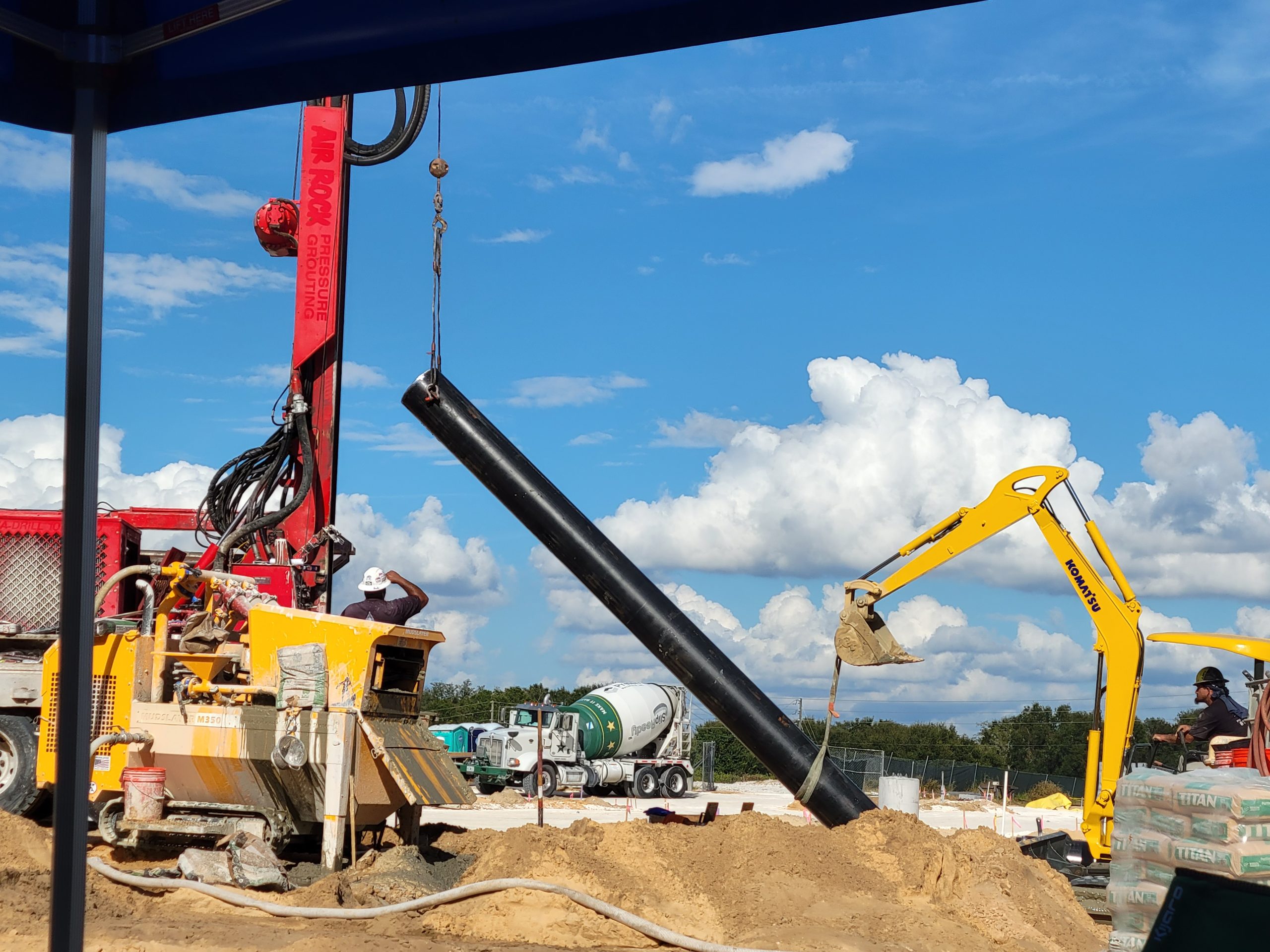
With hurricane season ending and winter rains approaching, fall is the critical window for Largo property owners to properly decommission abandoned wells before surface contaminants reach the Floridan aquifer. Learn what proper well abandonment involves, why Florida regulations require it, and why waiting carries real risk.
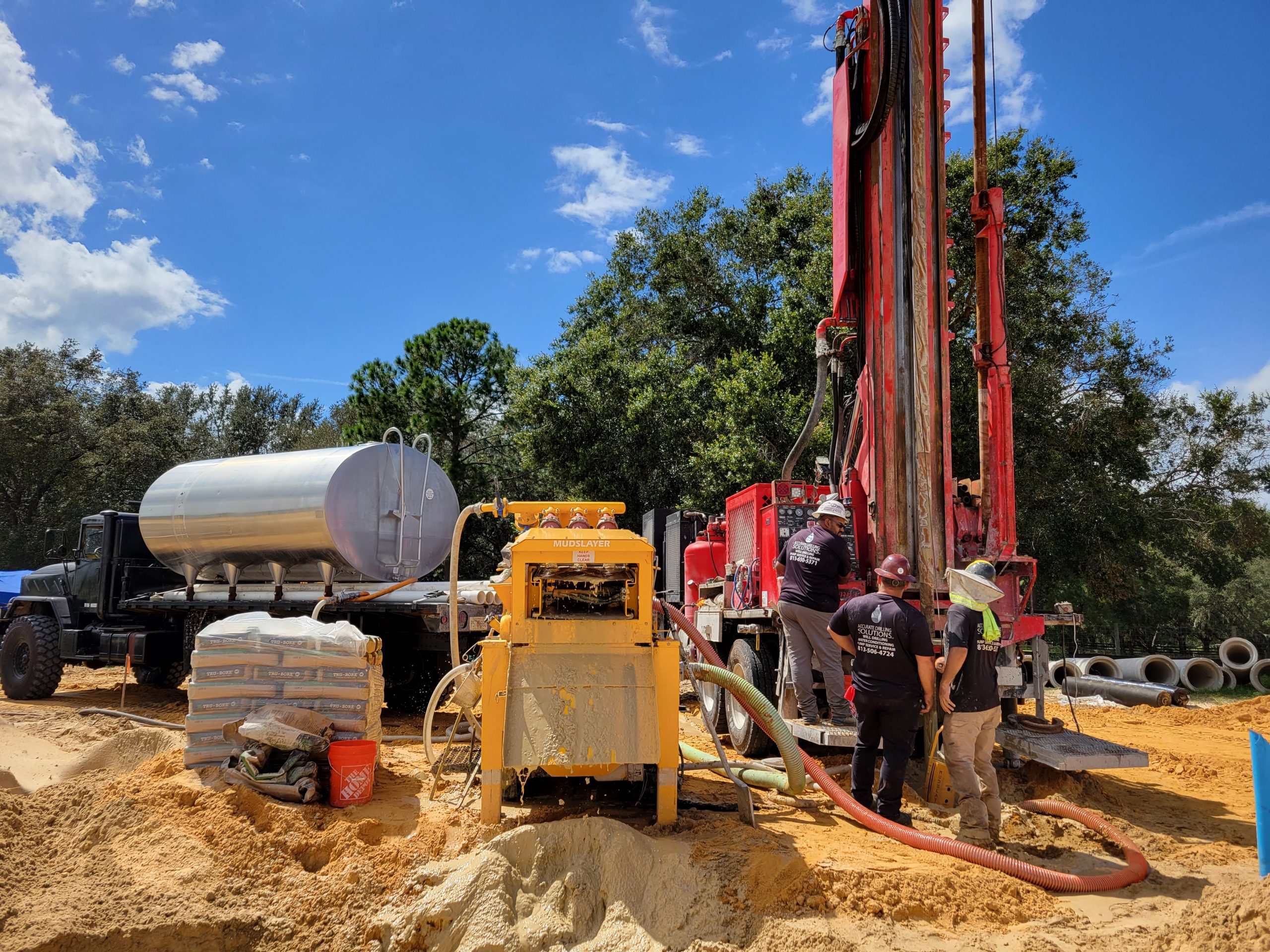
If your geothermal system in Largo is showing signs of reduced performance, the supply well may be the source of the problem. This article covers the key symptoms of well yield decline, limestone aquifer scaling, and reduced system efficiency — and what to do about them.
Selecting the right well pump system in Zephyrhills involves more than picking a pump off a shelf. This guide walks Pasco County property owners through submersible vs. jet pump comparisons, Florida-specific sizing factors, and why professional installation is the only responsible path forward.