

Tannins and Your Well Water
A byproduct of the natural fermentation progress, tannins – also known as humic or fulvic acid – are created as water passes through decaying vegetation and/or peaty soil. Tannins can cause your water to have a color ranging from tea-like to faint yellow, and may cause similar staining on light-colored fixtures, fabrics, laundry, or fine china. Your water may also have a tart or tangy aftertaste, and an earthy or musty sort of smell.
Generally, tannins are restricted to being an aesthetic problem and thankfully present no health hazard, but they can occasionally interfere with the efficiency of other water treatment equipment. Several types of filters, notably iron filters and neutralizing filters, can become coated by the tannins and no longer work properly.
Tannins are most commonly found in shallow wells and surface water supplies as opposed to deep wells, but it isn’t impossible to find them there, too. Additionally, water that is kept in low-lying, coastal, or marshy areas is also more likely to contain tannins.
Should You Test Your Water?
If you’re concerned that your water has tannins, there is an easy way for you to determine if you’ll need to contact a certified water testing laboratory. The process is simple; given the discoloration that tannins cause to your water, simply fill a clear glass with water and leave it to sit overnight. If the color settles to the bottom of the glass, your water’s discoloration is most likely caused by manganese or iron rather than tannins. But if the water’s color and intensity remains thorough and intact, tannins are more likely to be the culprit.
In the event that you’ve determined tannins are most likely responsible for your water’s unappealing color and want to test it, you may also want to test for total dissolved solids (TDS), iron, alkalinity, sulfates, and hardness while you’re at it, as taking a look at these other factors can help you determine the best course of treatment for your individual situation.
Testing for iron while testing for tannins is of particular importance due to the fact that iron can cause a false positive for tannins–therefore the iron result must be subtracted from the tannin result in order to give an accurate reading of the tannin concentration.
Treating Tannins
There are several options available if you discover that there are tannins in your well water, but you should know that they can be very difficult to treat due to the different kinds of tannins that can be found in water. This is why you can’t use the same method of treatment for two different wells that are several miles apart.
Tannin filters are unique because they work more like water softeners than true filters; they use resin media in tandem with properties of ion exchange in order to trap the tannins and other organic material that may be present. The beads of resin in a tannin filter are white and very fine, and upon reaching their capacity will be flushed with a brine solution so the process is ready to start anew.
One of the most common treatments for tannins is the usage of an organic scavenging anion resin, but you need to have a water softener installed before using this kind of resin because of its vulnerability to hardness minerals. They also require regular maintenance, and may need occasional regeneration with a solution of saltwater or baking soda. Before committing to a system of this type, be aware that they often change the levels of chloride, sulfate, and the alkalinity of your water, so you will need to monitor how it affects your system after installation. If you want more great tips about wells, search our site at Accurate Drilling.
continue reading
Related Posts

With hurricane season ending and winter rains approaching, fall is the critical window for Largo property owners to properly decommission abandoned wells before surface contaminants reach the Floridan aquifer. Learn what proper well abandonment involves, why Florida regulations require it, and why waiting carries real risk.
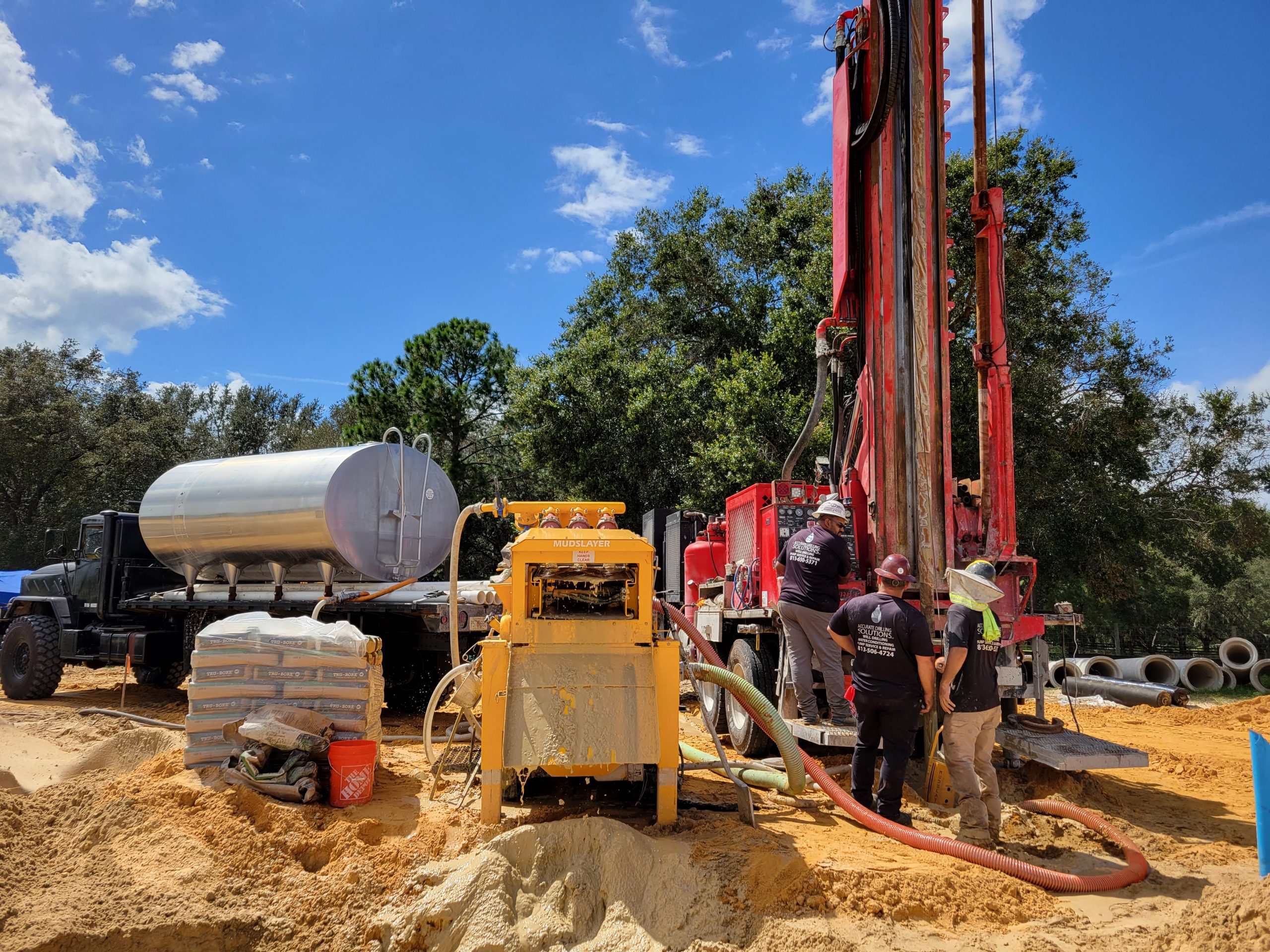
If your geothermal system in Largo is showing signs of reduced performance, the supply well may be the source of the problem. This article covers the key symptoms of well yield decline, limestone aquifer scaling, and reduced system efficiency — and what to do about them.
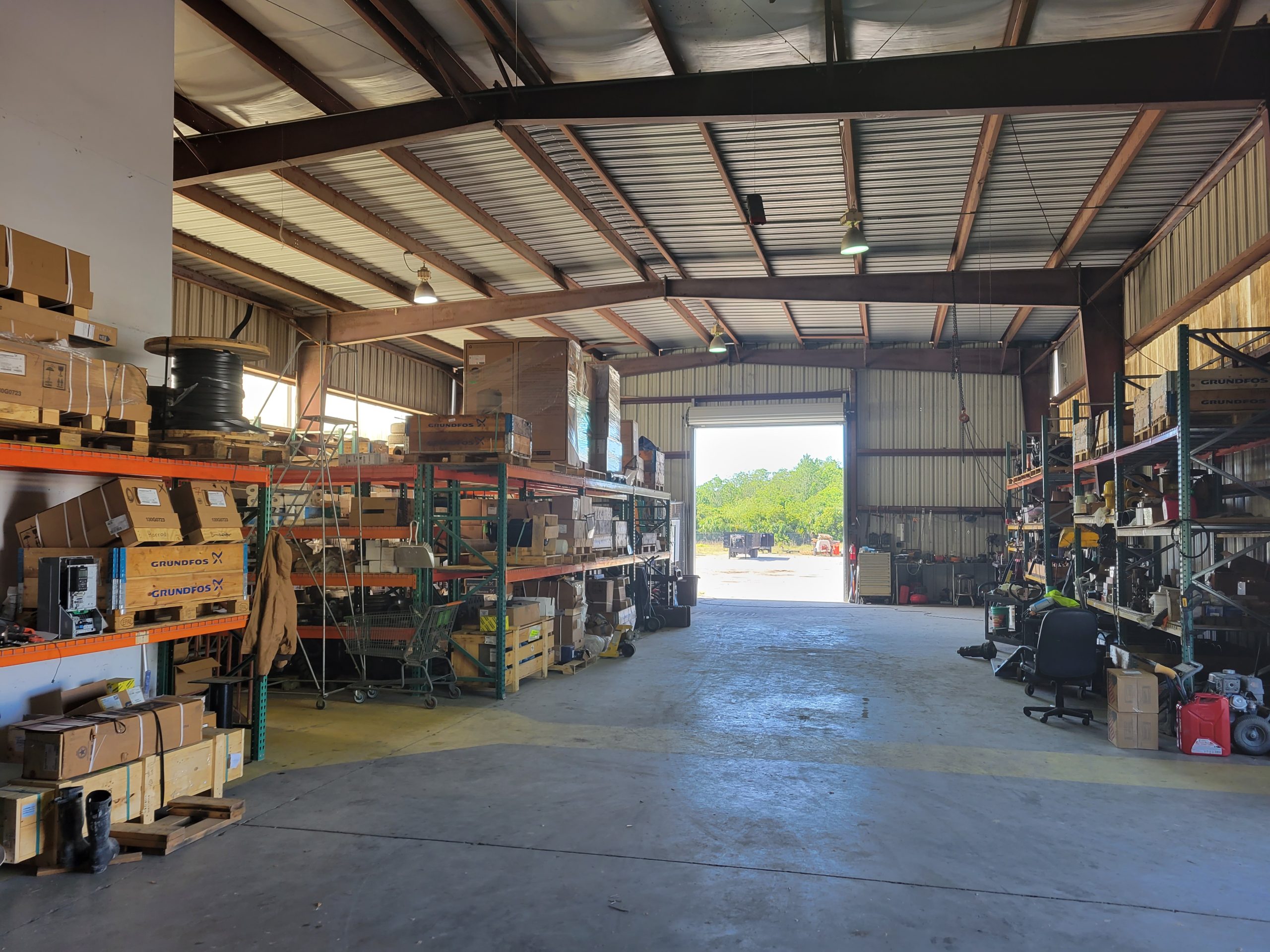
Selecting the right well pump system in Zephyrhills involves more than picking a pump off a shelf. This guide walks Pasco County property owners through submersible vs. jet pump comparisons, Florida-specific sizing factors, and why professional installation is the only responsible path forward.