What to Do About Low Water Pressure
A home with a private water well is likely to experience low water pressure at some point or another. If you have a well, you should prepare for this potential inconvenience. After all, if something can go wrong, it’s probably going to go wrong at the worst moment. Cooking dinner? You might not get enough water to fill a glass, let alone a pot of spaghetti. Are you getting ready for work? Good luck washing out all that shampoo. Yes, running into low water pressure is never fun. How can we fix this? How do you prevent your water pressure from dropping? Why did my water pressure drop? You’re bound to have questions.
In this article, we’ll provide the answers.
Conventional or Constant?
Are you using a conventional well? If so, you’re probably going to run into this problem after using enough water. A conventional well pump will allow the pressure in your well to drop to around 40 PSI, at which point it will turn on and increase the pressure. That will cause fluctuation in the water pressure. So when your tank is running low, there won’t be much pressure. This is especially noticeable if you’re using your well for multiple things at once.
Constant pressure systems, meanwhile, don’t have this problem. If you use a higher volume of water than your pump can provide for, consider one of these systems. They support high-volume operation without a drop at the end of line pressure. In addition, these systems come equipped with a variable speed monitor. This means it can adjust its speed to meet the usage demand.
How to Install a Constant Pressure System
There are two big considerations to make when installing a constant pressure system. One is what kind of pressure system you will install. The other is what you will do with your water tank. Your old water tank will work fine, but constant pressure systems can use smaller tanks to save room. If you opt for a smaller option, you can always upgrade later. One benefit to a constant pressure system is that their motors tend to be quieter.
Are There Different Constant Pressure Systems?
Generally speaking, you will be choosing one of two types of constant pressure systems. There are pressure-regulated systems and variable speed systems. Pressure regulated systems use a standard well pump, motor, and pressure switch like a conventional well. They also have a pressure regulating valve and bypass, preventing excess water pressure from flowing through the system.
Variable speed systems, meanwhile, utilize a triple-phase motor. The pressure feedback function adjusts the motor’s speed depending on the pressure in the water tank. This allows it to adjust how it operates to meet your demand at all times.
Are Constant Pressure Systems Worth It?
While many homes can get by with a conventional system, the constant pressure system is useful for homes that need more. So whether you’re irrigating, cooking, running two showers, or doing whatever, it’s worth thinking about if you need more water pressure.
If you find that your water pressure is often low, you should check for damage or problems in your well. On the other hand, if everything looks good, installing a constant pressure system might be timely. To learn more about well operations and maintenance, visit our website. Contact us if you’re planning to replace your water pump system.
continue reading
Related Posts
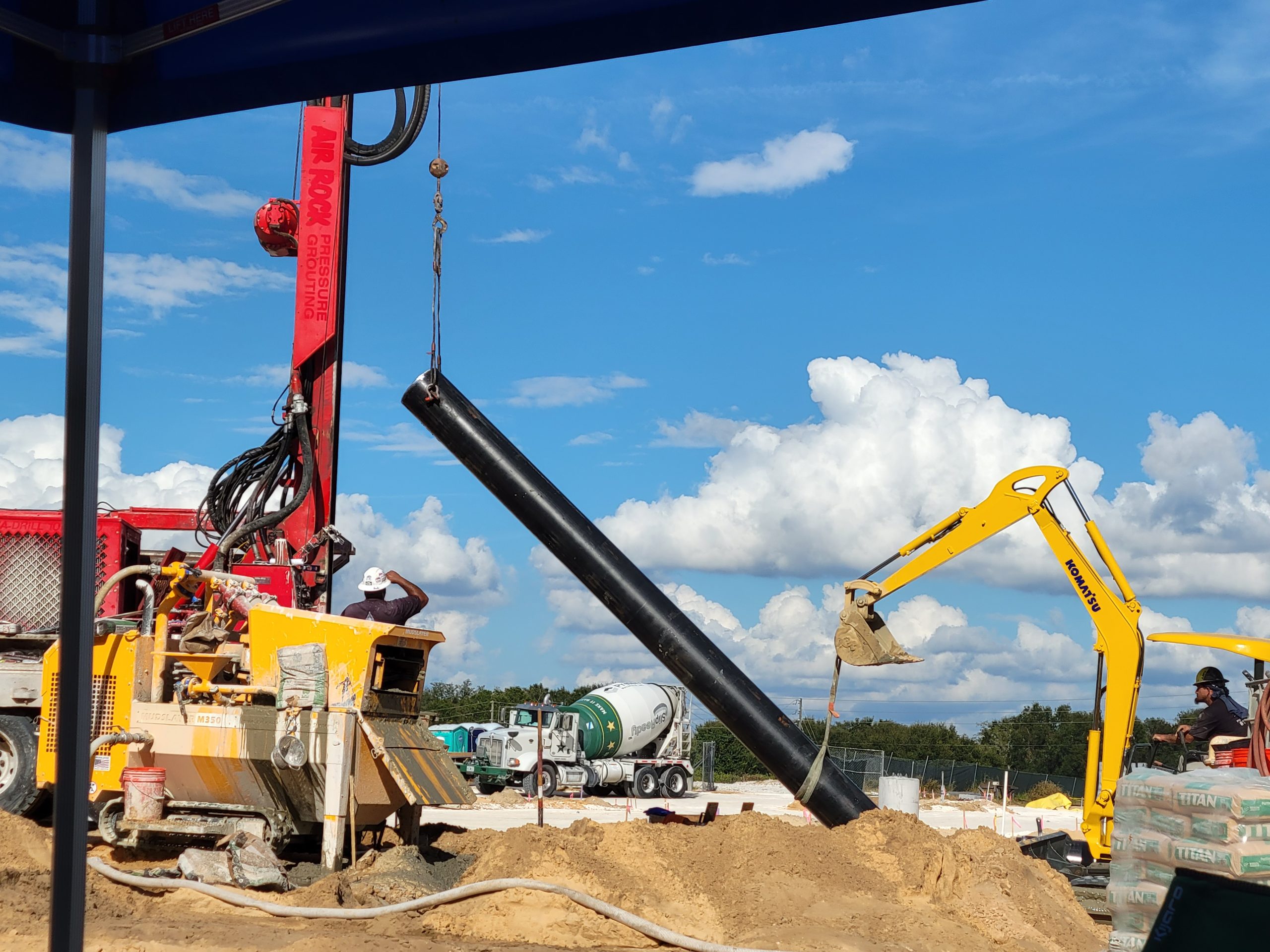
With hurricane season ending and winter rains approaching, fall is the critical window for Largo property owners to properly decommission abandoned wells before surface contaminants reach the Floridan aquifer. Learn what proper well abandonment involves, why Florida regulations require it, and why waiting carries real risk.
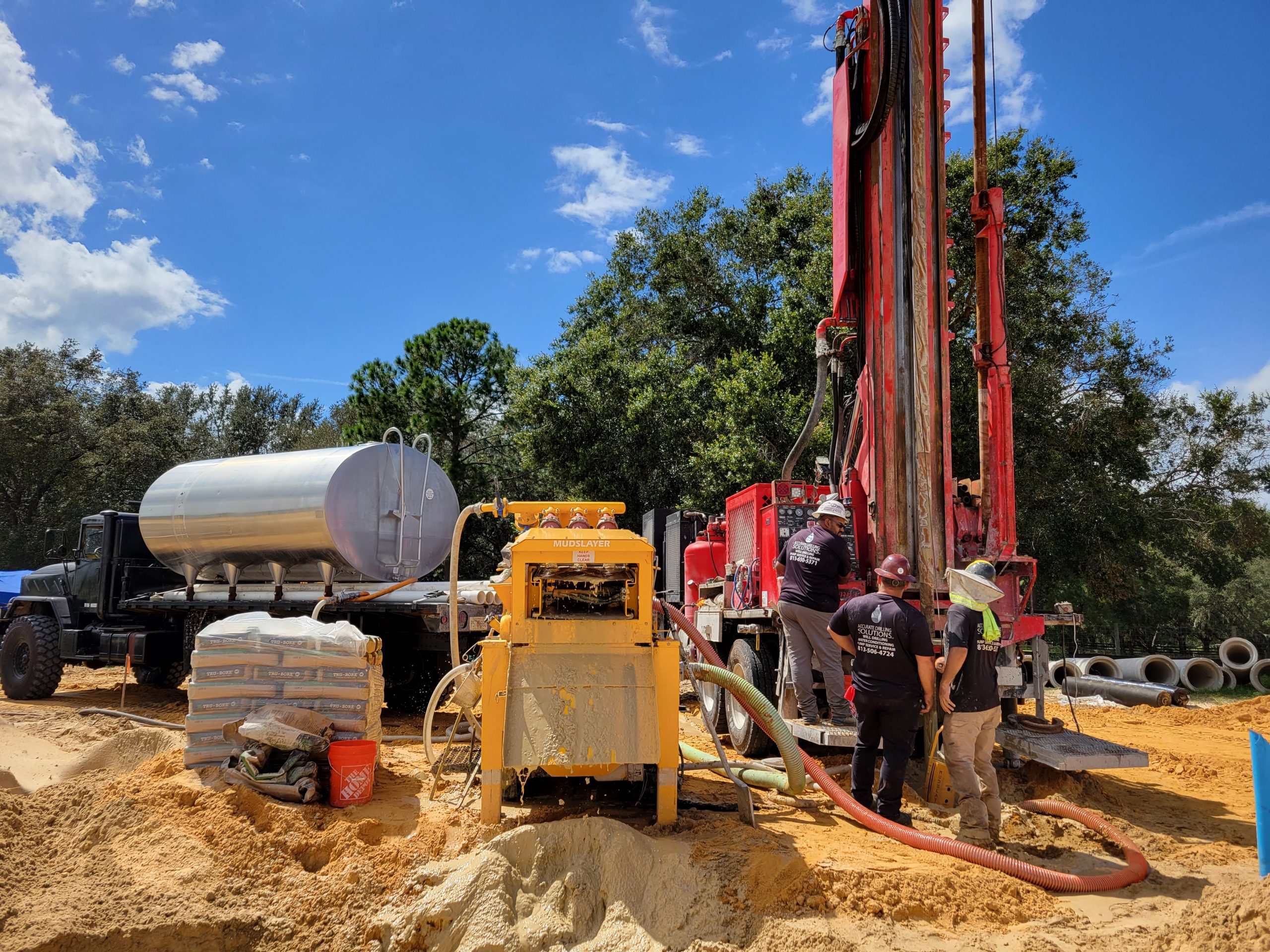
If your geothermal system in Largo is showing signs of reduced performance, the supply well may be the source of the problem. This article covers the key symptoms of well yield decline, limestone aquifer scaling, and reduced system efficiency — and what to do about them.
Selecting the right well pump system in Zephyrhills involves more than picking a pump off a shelf. This guide walks Pasco County property owners through submersible vs. jet pump comparisons, Florida-specific sizing factors, and why professional installation is the only responsible path forward.