Why Do I Need A Well Log?
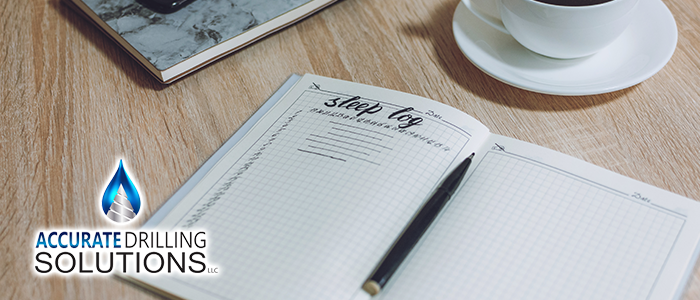
It’s tax season, and once again, we’re reminded of how important it is to keep records. Do you itemize your returns or take a standard deduction? You keep rent receipts, right? There’s a good chance you do at least a little recordkeeping, whatever your situation. If you have a water well system, you should be doing a little more, too. Keeping a record of your well’s performance and activity is a good idea.
What You Should Have
That’s not to say you need a brand new filing cabinet full of collated notes about your pump’s noises, though! You can keep a log in anything. An envelope, an old notebook, a clipboard… As long as it can hold documents, you can use it to hold your well documents. There are a few you should have:
- Well Log/Water Well Record
- Maintenance Record
- Pump Installation Details
- Water Test Results
This article will cover each of these and why they’re important.
Well Logs and Water Well Records
Every new well will have a well log. You are required to submit this log to the State of Florida. It is a good idea to keep at least two copies just in case: One for your folder and one as an emergency master copy. Old wells should also have a well log filed away. If you’re moving into a home with a well, be sure to find out about its yield – Which is information in the log.
Some parts of the country call this something different, but the basic information is the same everywhere you go. The well log contains a good deal of information that won’t change. For example, it contains a unique identifying number for your well, along with your name and contact information. The document also contains details about the well itself, including a record of who installed it.
Your well record contains details about every objective fact about your well and is one of the most useful reference tools you have. It contains the well’s location, purpose, drilling method, depth, and more. You can also use the testing information in this document to help you plan how to use your water. There are geological notes in some of these logs, such as what materials were drilled through.
Why Log Well Activity
You should have a clear handle on who installed the pump, how to contact them, warranty info, and a user manual in the folder… But reference material is only part of what makes logging well activity useful. You should track the results of your well testing. By doing this, you can see what materials are rising in your water and cut problems off before they get worse. You can do the same with maintenance logs. Repairs tend to be a lot more expensive than prevention. When your recordkeeping lets you avoid big problems, you can appreciate how important it is.
As long as you’ve got your new record folder, you have all the information you need. Add any new paperwork you receive, and stay current. It’ll help your well last a lot longer.
continue reading
Related Posts
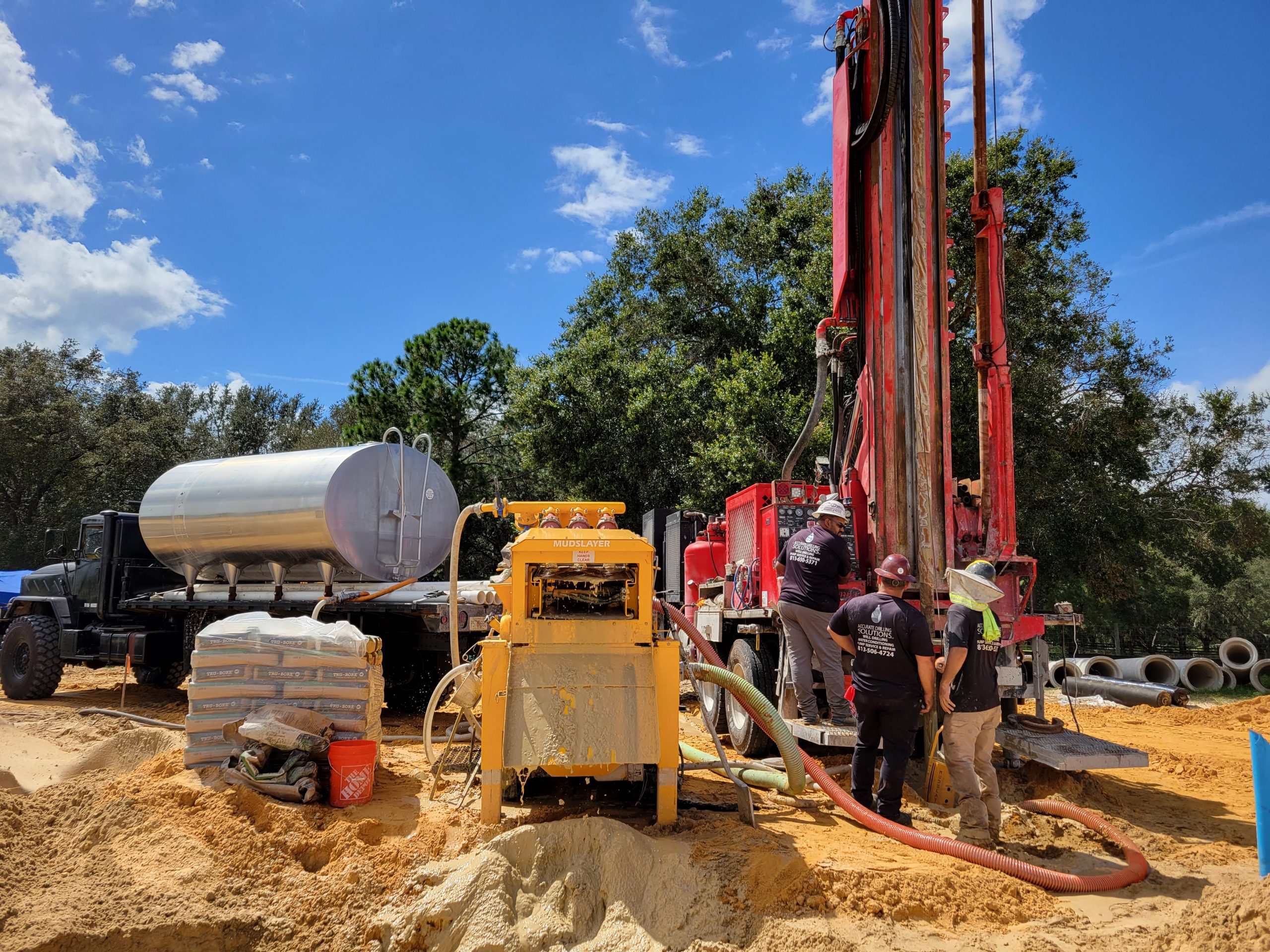
If your geothermal system in Largo is showing signs of reduced performance, the supply well may be the source of the problem. This article covers the key symptoms of well yield decline, limestone aquifer scaling, and reduced system efficiency — and what to do about them.
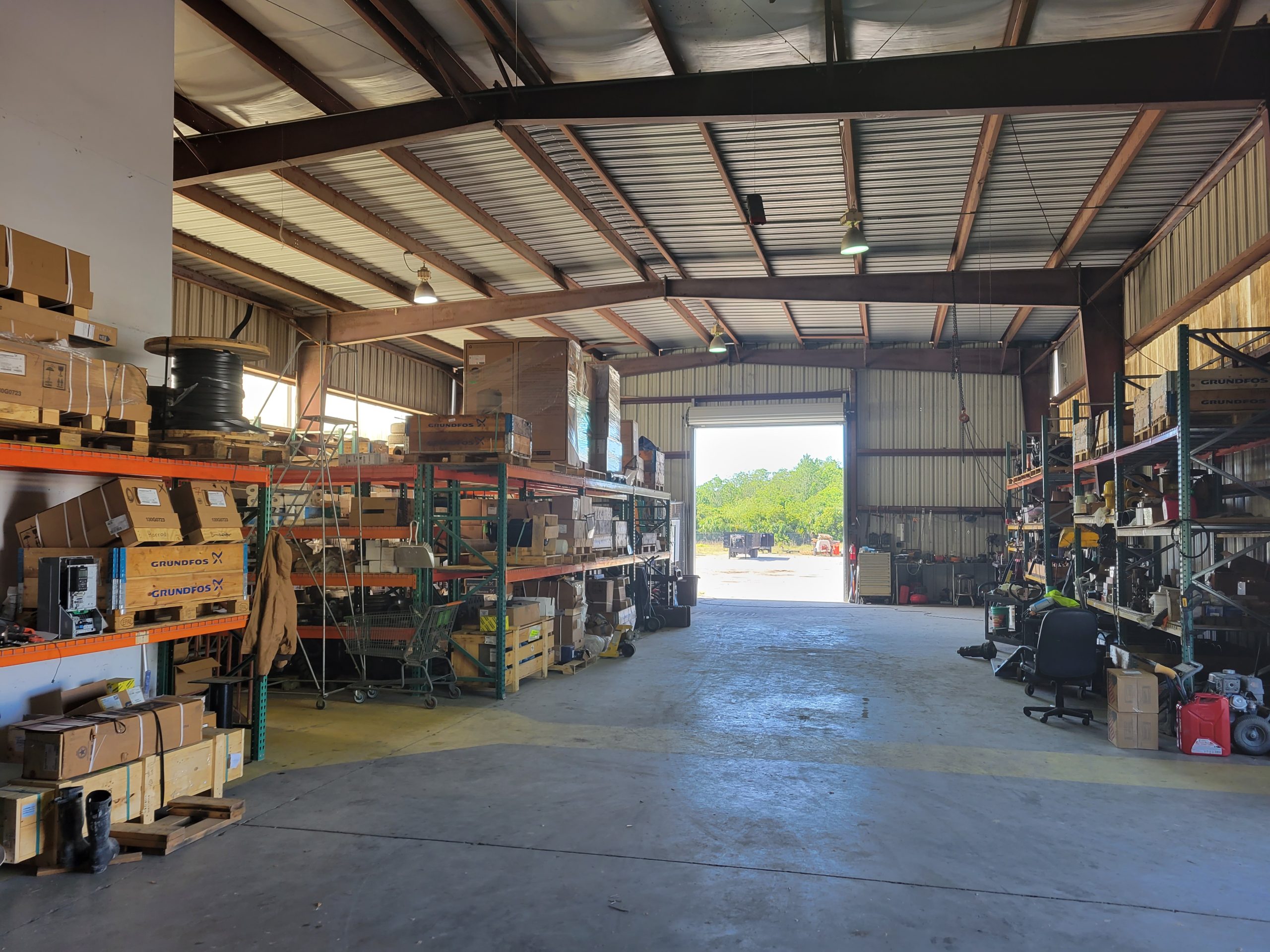
Selecting the right well pump system in Zephyrhills involves more than picking a pump off a shelf. This guide walks Pasco County property owners through submersible vs. jet pump comparisons, Florida-specific sizing factors, and why professional installation is the only responsible path forward.

Largo's coastal position, shallow Floridan Aquifer access, and aging residential well infrastructure create specific stress patterns on well pump systems. Understanding these local conditions helps homeowners protect their equipment before problems develop. Learn what makes Largo different — and what to do about it.