How to Choose a Well Location
Deciding to add a well to your home is a great decision. It supplies your home and family with safe, chemical-free drinking water. You save on utility costs and help protect the land from chemical runoff that tap water can add. There is an abundance of people in Florida who rely on and enjoy delicious well water. That enjoyment does come with some prerequisites, though. One of the most important is deciding where that well should go, to begin with. If you’re thinking about having a well dug this year, you should start by scouting a location.
Choosing Your Well Location
There are a few things you have to understand about proper well placement. Not every property meets the requirements for having a well. The most important thing is that you have to be sure your well can avoid contamination. Your well will be your family’s primary source of water for drinking, cleaning, cooking… Everything that uses water will come from your well. If your well is somewhere with poor drainage or in a place that puts it at risk of contamination, your health is at risk. Give your property a once-over. Is there anywhere elevated that you might be able to put a well?
You have to make sure your well is far from any septic systems. Suppose your septic tank leaks into the surrounding soil; that is the last stuff you want in your water. Similarly, barns and livestock yards should also be kept away from your well. Because livestock tends to “go” when and where they please, this filters down into the soil. You don’t want to pump water from a place like that. Places that flood or retain water is also bad for well drilling. This is why isolated, and high areas make the best spots for well water drilling.
Know Your Property Boundaries
If your neighbor has a well, you’ll want to know where it is. The Florida Department of Environmental Protection will have information on where wells are located and how they perform. This resource can help you make a determination about the quality of your area’s water. The property line is also an important determinant. If the only good spot is too close to a property line, you may not be able to drill a well.
There are also setback distances to be aware of or setbacks. These are the distances that your well MUST be from certain structures and items that might be on your property. The setbacks in Florida are generally as follows:
• 75 feet from any septic or sewage system
• 75 feet from any drainage or retention pond
Your specific area may have more specific requirements for setbacks. Be sure to check with the FDEP.
The Bottom Line
It can be hard to determine the best place for a well on your property by yourself. Accurate Drilling has the know-how, experience, and tools to survey what might be the best location for your family’s new well. If your property can house a well water system, we’ll find where it should go without issue.
continue reading
Related Posts
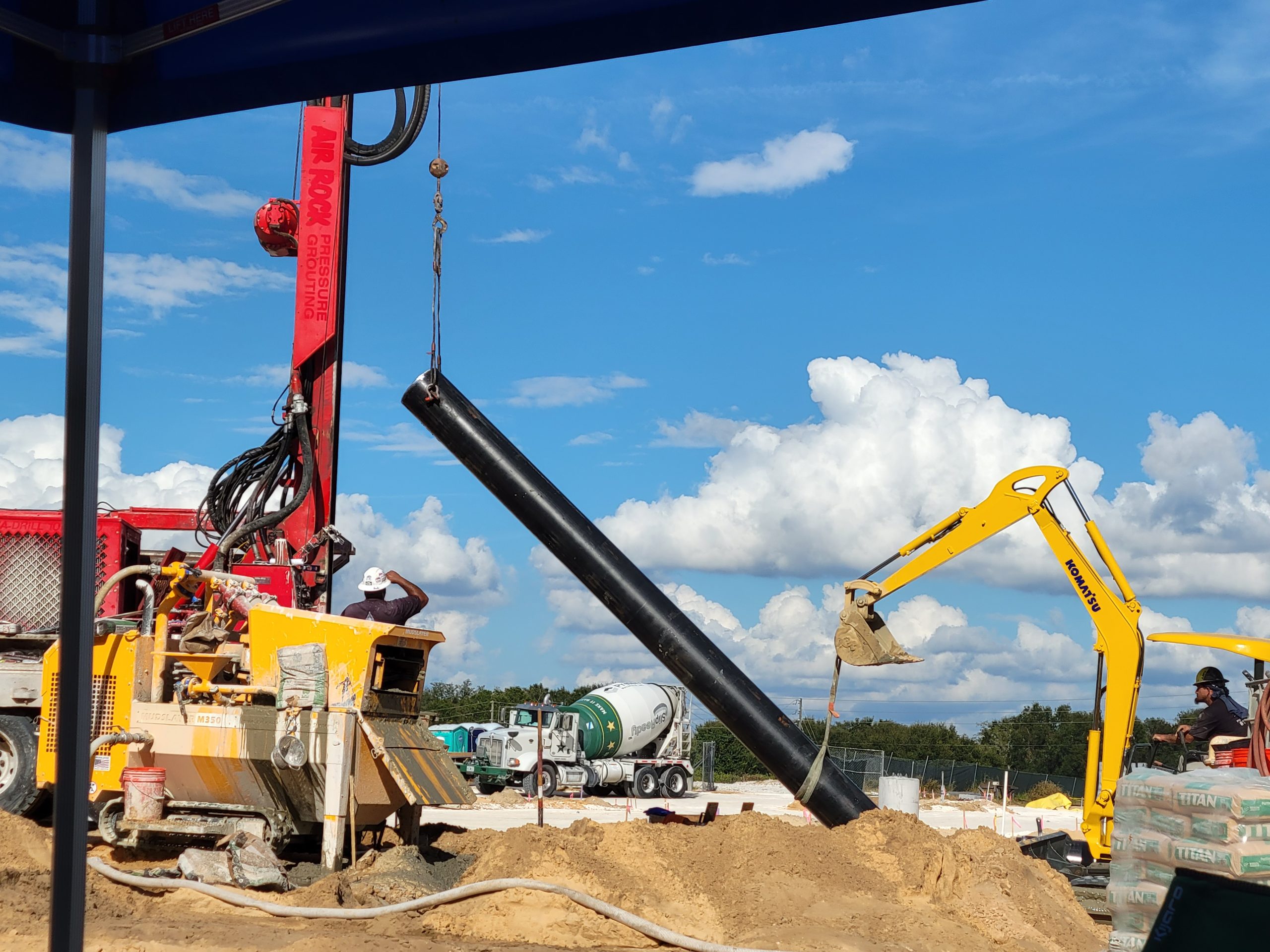
With hurricane season ending and winter rains approaching, fall is the critical window for Largo property owners to properly decommission abandoned wells before surface contaminants reach the Floridan aquifer. Learn what proper well abandonment involves, why Florida regulations require it, and why waiting carries real risk.
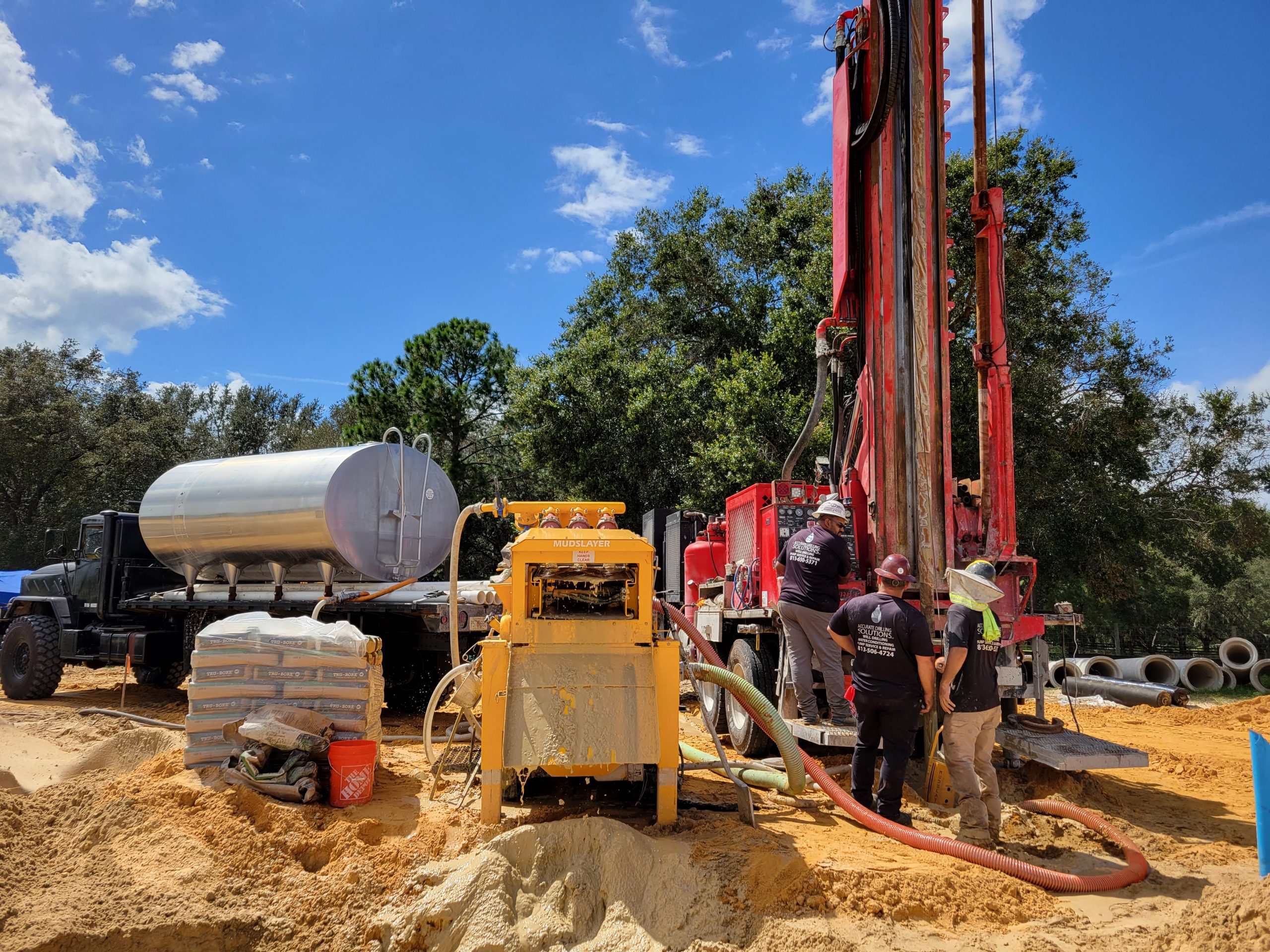
If your geothermal system in Largo is showing signs of reduced performance, the supply well may be the source of the problem. This article covers the key symptoms of well yield decline, limestone aquifer scaling, and reduced system efficiency — and what to do about them.
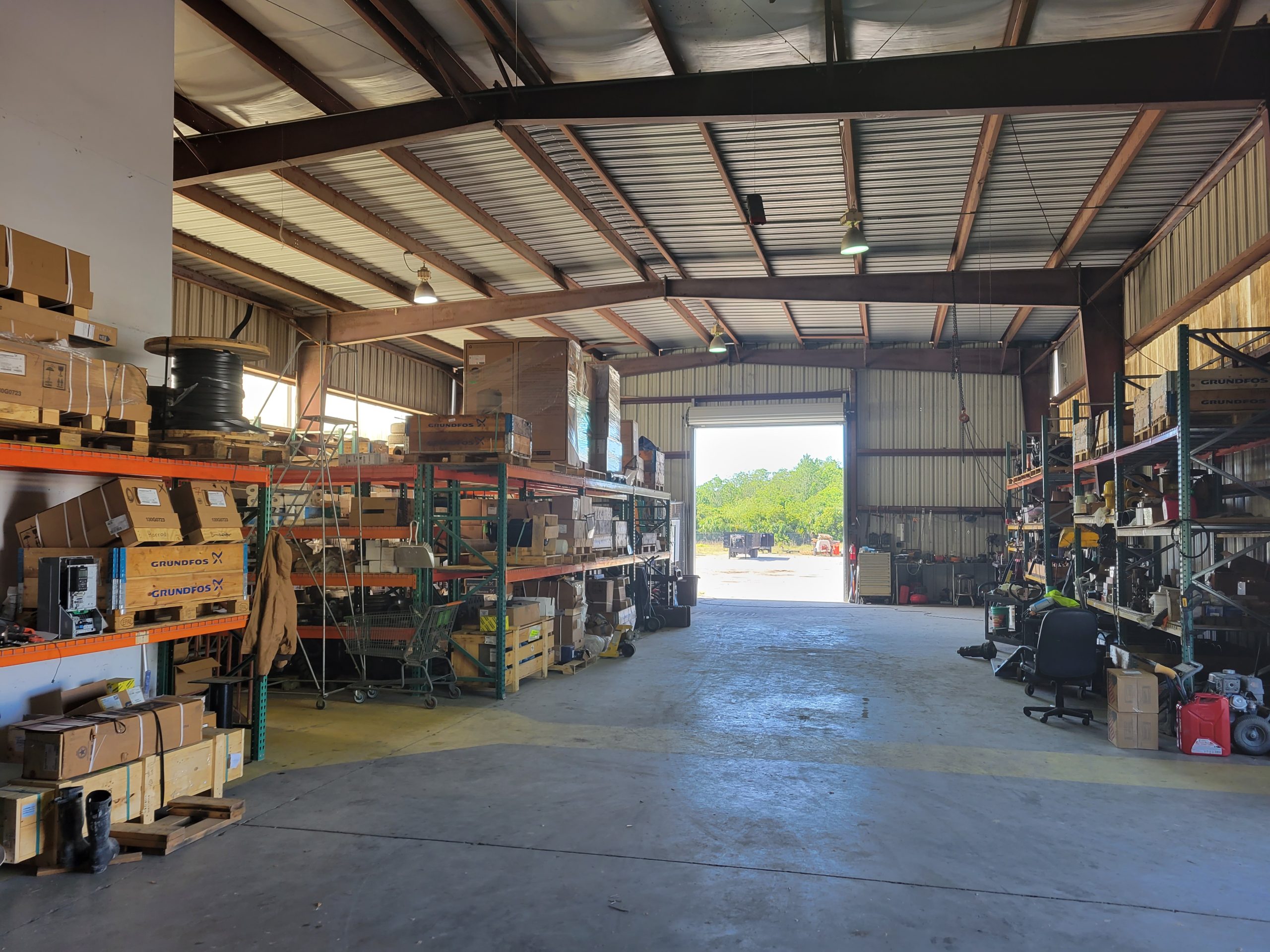
Selecting the right well pump system in Zephyrhills involves more than picking a pump off a shelf. This guide walks Pasco County property owners through submersible vs. jet pump comparisons, Florida-specific sizing factors, and why professional installation is the only responsible path forward.