
What Are Well Casings and Liners?
While it is in your best interest to know as much as you can about your well, there are many things you may not know. Don’t worry – You aren’t alone. Many homeowners don’t know all the details, but understanding the basics is important. For example, you likely know that your well has a pump, but what are the other parts of a well? Your well will generally feature a pressure or holding tank, well casings, and a plumbing system. The holding tank and plumbing might be easy to understand, but what is a well casing? Is a well casing the same as a well liner?
Let’s learn about these essential pieces of water well construction.
What are Well Casings?
You can think of the well casing as the main body of your well. A well consists of a long borehole dug down into the ground, and the casing protects this borehole. This ensures that the ground won’t cave in and prevents water supply contamination. Materials like thick plastic and steel make up the bulk of well-casing construction.
Some places need a steel casing, especially where solid bedrock is present. Sometimes concrete will do, depending on the geological conditions around the well. Plastic and concrete have an advantage over steel piping in that they will not rust. That said, these materials are not always suitable for every environment.
What is a Well Liner?
While every modern well will have a well casing, not every well has a well liner. These are an added, secondary line of defense against damage. Rubber seals, also called packers, can patch holes in the casing that may occur due to damage or wear. There are also thin metal linings called repair sleeves. These repair sleeves cover the entire interior of the well casing. This ensures your well remains sealed even if something goes wrong with the well casing.
What are Signs of Well Casing Damage?
Aside from structural duties, the main job of a well casing is to prevent contamination. If your home well water system has become contaminated, it may signify casing damage. The signs of contamination are often clear and usually involve a change in water quality. If your water starts to look or smell different, you should stop using it until a professional visits.
You should test your water after every change to water quality, and at least once a year besides that. During your annual test, inspect the well casing and well cap. A damaged well cap or broken seal can be a sign of damage to the casing.
How are Well Casings Damage Repaired?
Well liners are usually applied as a repair job. For example, you can use a well liner to repair a leaking section of well casing. Well liners are then replaced once they start to give out. This might not be the best option every time, though. Replacing the casing itself may be possible instead. Severe damage may present the need to drill a new well, which is why inspections are important. Repairing minor damage before it becomes too severe can prevent major expenses later.
Of course, these are not home repair jobs. Always get professional help when you suspect damage to your well casing or well liner.
continue reading
Related Posts
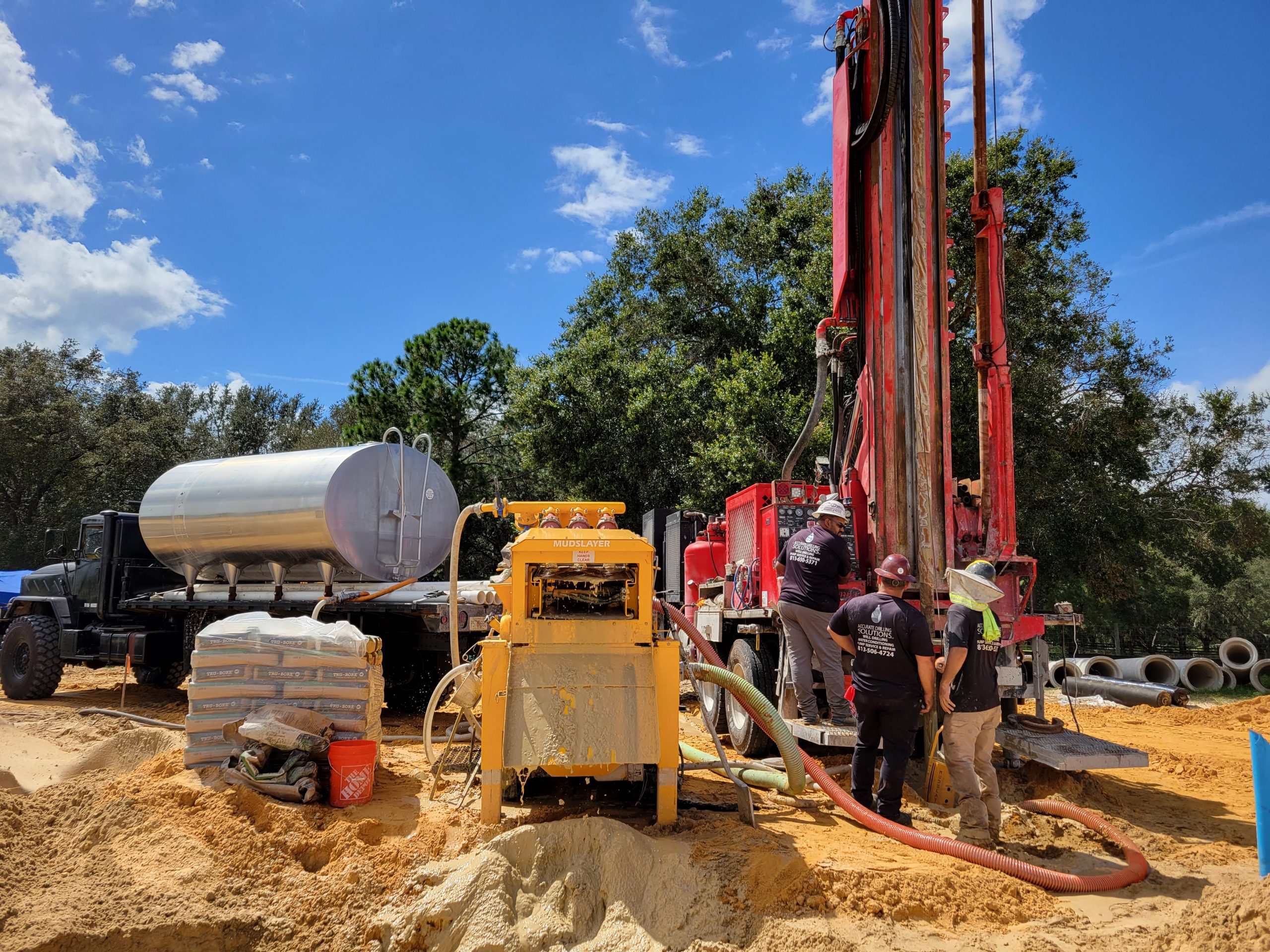
If your geothermal system in Largo is showing signs of reduced performance, the supply well may be the source of the problem. This article covers the key symptoms of well yield decline, limestone aquifer scaling, and reduced system efficiency — and what to do about them.
Selecting the right well pump system in Zephyrhills involves more than picking a pump off a shelf. This guide walks Pasco County property owners through submersible vs. jet pump comparisons, Florida-specific sizing factors, and why professional installation is the only responsible path forward.

Largo's coastal position, shallow Floridan Aquifer access, and aging residential well infrastructure create specific stress patterns on well pump systems. Understanding these local conditions helps homeowners protect their equipment before problems develop. Learn what makes Largo different — and what to do about it.