

Without any question, water is one of Florida’s most precious resources. Everything ties back to our state’s water supply. Much of that supply comes from areas of porous minerals that contain water called aquifers – they provide a whopping 90% of the state’s water! As people dig wells into our aquifers, we need to be conscious of how wells become contaminated. By state mandate, property owners must cap and properly abandon wells that are no longer in use. Abandonment is the process of filling and capping a well that is no longer in use. While it may be natural to ignore a well that you aren’t using anymore, neglecting it poses a serious risk to the aquifer and other wells that rely on it. You’ll also want to properly take care of any exploratory boreholes or intrusions into the aquifer you’ve made.
Why Is This Important?
Just as it is essential to drill a well to ensure minimal contamination, it’s just as vital to abandon a well properly. While it’s natural to consider safety when installing a well, failing to properly abandon it poses numerous dangers to the drinking water supply and those around the abandoned well. An open well is a safety hazard that can potentially injure people or trap animals. Left open, many contaminants can enter the aquifer and pollute the drinking water of several wells. This is especially true of wells that are not free-flowing, as they have more opportunities to interact with the water table.
However, a free-flowing artesian well is also a problem. Our drinking water is precious, and allowing a free-flowing well to sit unused can waste millions of gallons per day. This is why properly filling and abandoning a well is so essential.
The state mandates that owners must properly fill in all wells no longer in use.
How To Abandon a Well
Despite the name, abandoning a well is not simply waving goodbye and leaving it to its own devices. Abandonment is an involved process with many steps, and no two wells can be abandoned the same way.
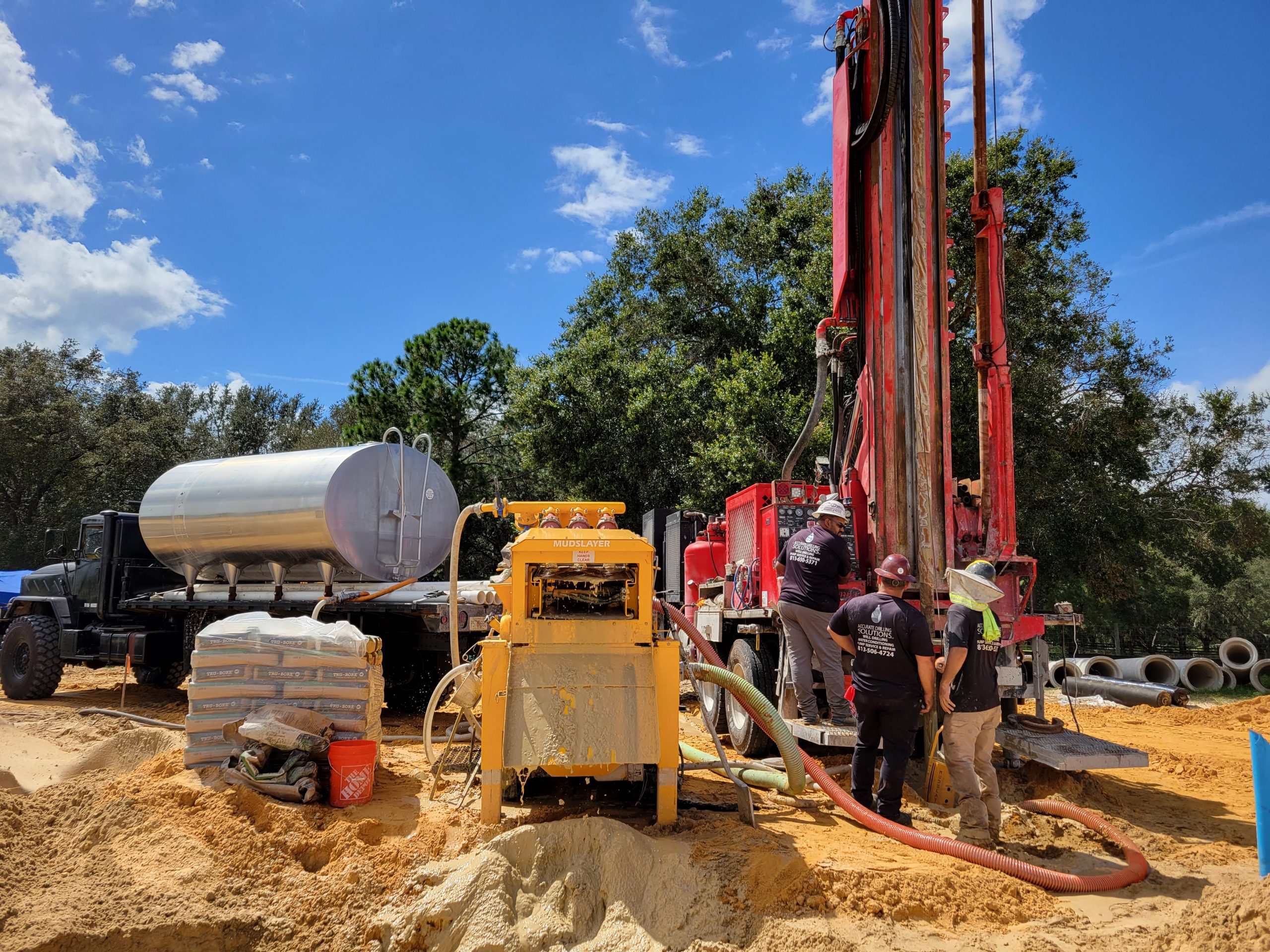
Generally speaking, abandoning a well involves a visit to the well site with a professional. The professional will gather information about the well and its terrain and form a plan to abandon the well. After the plan is drafted, it is presented to local authorities who grant a permit to execute the plan. A licensed well driller will then schedule a time for permanent well abandonment. A well can typically be abandoned in a single day, but some sites may require more involved work.
Is it Time to Abandon My Well?
If you are no longer using your well because you no longer need it, the answer is likely yes. However, if your well has fallen out of use, it may be rehabilitated by repairs, maintenance, and parts replacement. Whatever your specific needs, we can guide you through the process and help you reach an appropriate decision regarding your well.
continue reading
Related Posts
If your geothermal system in Largo is showing signs of reduced performance, the supply well may be the source of the problem. This article covers the key symptoms of well yield decline, limestone aquifer scaling, and reduced system efficiency — and what to do about them.

Selecting the right well pump system in Zephyrhills involves more than picking a pump off a shelf. This guide walks Pasco County property owners through submersible vs. jet pump comparisons, Florida-specific sizing factors, and why professional installation is the only responsible path forward.

Largo's coastal position, shallow Floridan Aquifer access, and aging residential well infrastructure create specific stress patterns on well pump systems. Understanding these local conditions helps homeowners protect their equipment before problems develop. Learn what makes Largo different — and what to do about it.