Water softening is the process that removes certain chemicals, such as calcium or magnesium from a water source. It is an important process that has many benefits, including benefits for your body and your home. Read on to learn more about water softening.
Benefits of Water Softening
The main benefit of water softening is that it extends the life of the plumbing infrastructure since it removes the chemicals most likely to cause a blockage.
Methods
There are six common methods that soften water. They are as follows:
- Ion-exchange
- Lime Softening
- Chemical Agents
- Washing soda
- Distillation
- Reverse Osmosis
Ion-Exchange
The ion-exchange method is a filtration process that filters the calcium and magnesium ions out of the water. Then, it replaces those ions with sodium or potassium. This is the preferred water softening method used for homes.
Lime Softening
The lime softening method is the process in which lime is into the water to soften it. Please note that lime in this context is not the fruit but a mineral that oxidizes the calcium or magnesium in that water. Most water treatment experts prefer to use this method in commercial ventures, for example, dry cleaners.
Chemical Agents
The chemical agent method is a method where chemicals treat the hard water to remove the magnesium or calcium ions.
Washing Soda Method
The washing soda method is a method sodium carbonate is introduced and changes the chemical compound of the calcium or magnesium ions.
Distillation
The distillation method is a method where water is boiled and then condensed to create purified water minus the magnesium or calcium ions. This method is not very efficient on a large scale however it is popular due to it not using chemicals.
Reverse Osmosis
The reverse osmosis process is a process in which the hard water is passed through a membrane which filters out the magnesium and calcium molecules but allowing the water molecules to pass through. Reverse osmosis does not require the use of chemicals and can be used in homes or at an industrial level. Reverse osmosis does require regular maintenance and cleaning.
Soft Water and Irrigation
Due to the added sodium content in soft water, do not use soft water for agriculture, landscaping, or irrigation purposes. The sodium will cause the soil to become alkaline and unsuitable for plant growth.
continue reading
Related Posts
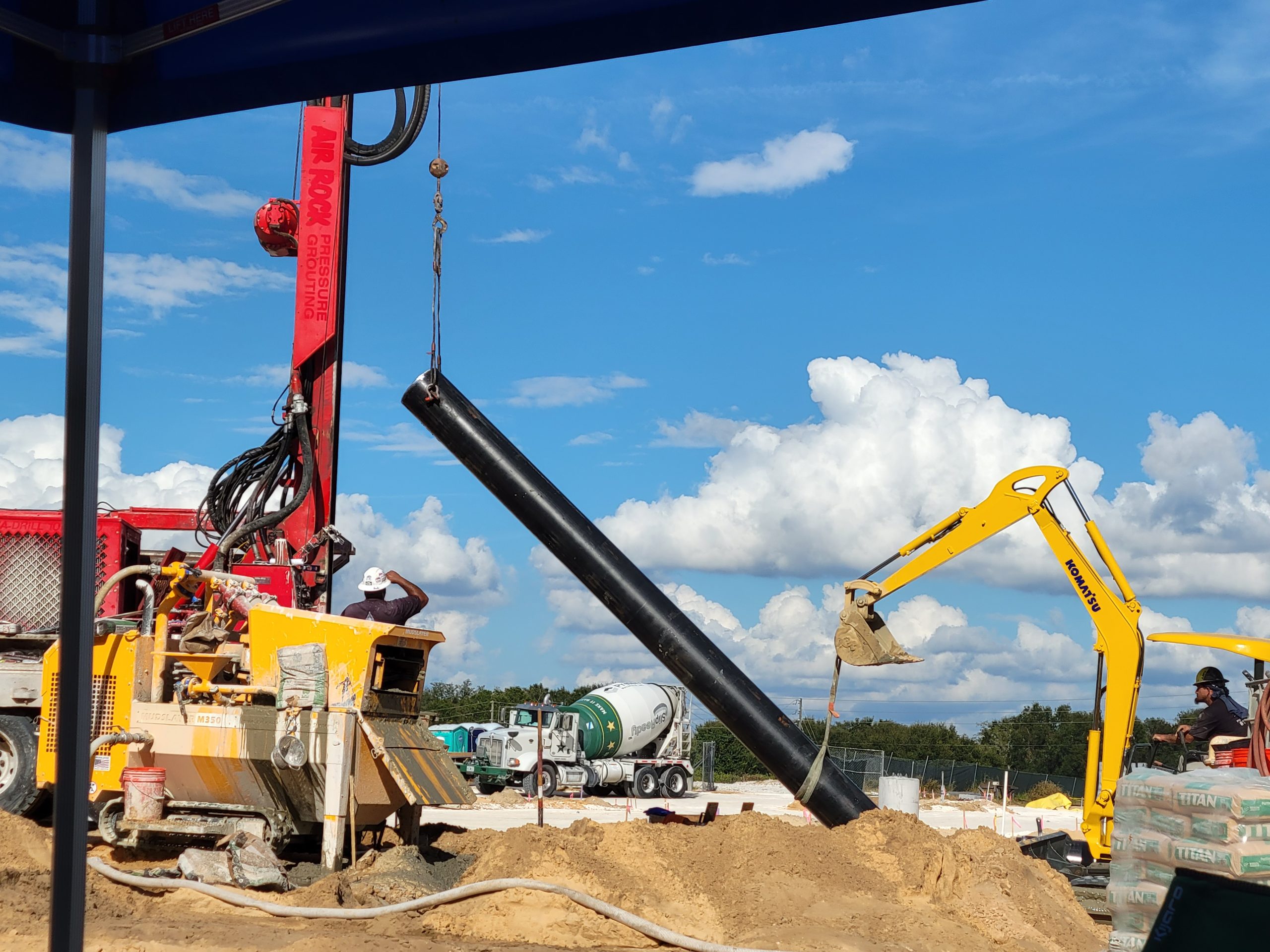
With hurricane season ending and winter rains approaching, fall is the critical window for Largo property owners to properly decommission abandoned wells before surface contaminants reach the Floridan aquifer. Learn what proper well abandonment involves, why Florida regulations require it, and why waiting carries real risk.
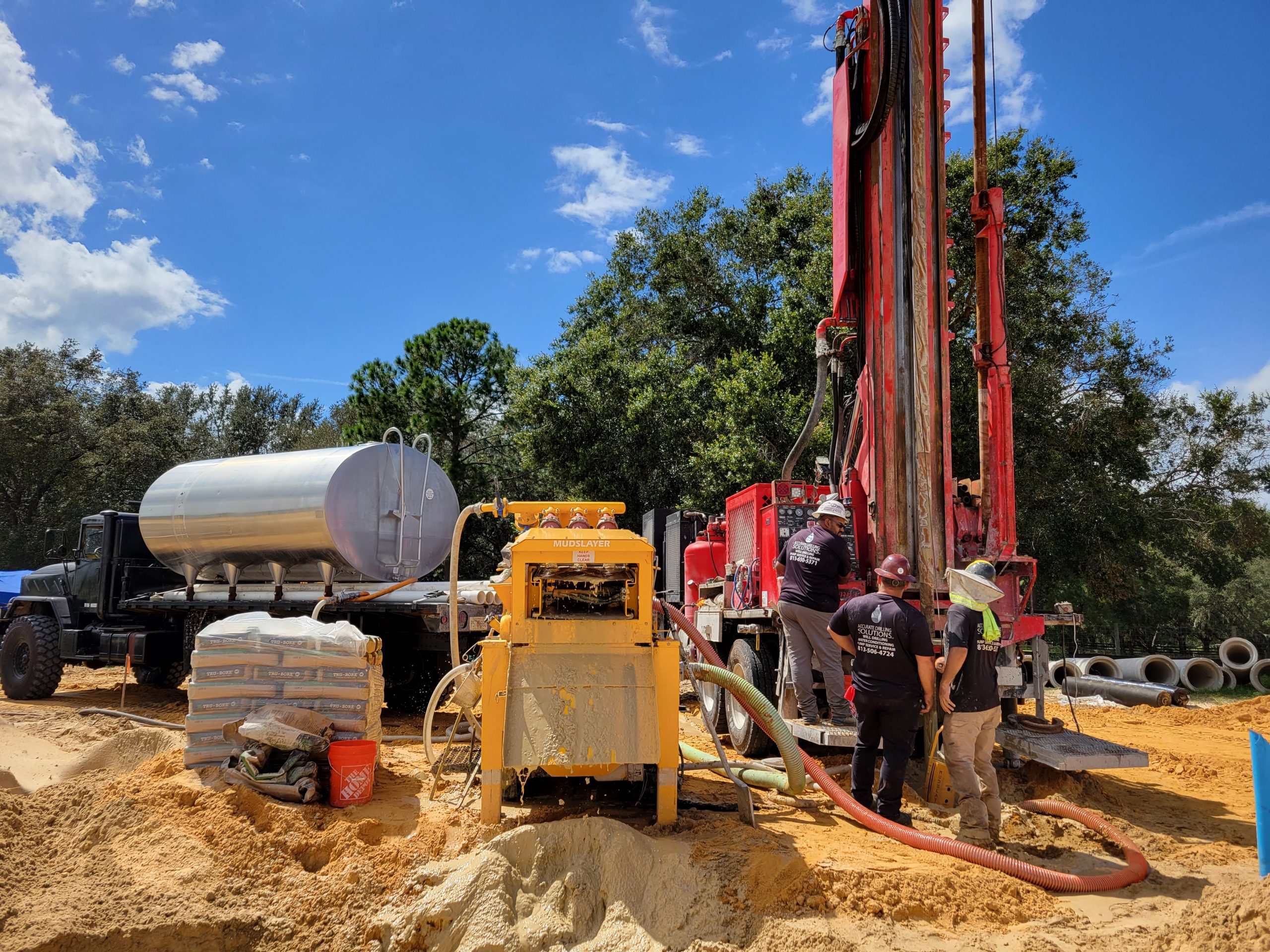
If your geothermal system in Largo is showing signs of reduced performance, the supply well may be the source of the problem. This article covers the key symptoms of well yield decline, limestone aquifer scaling, and reduced system efficiency — and what to do about them.
Selecting the right well pump system in Zephyrhills involves more than picking a pump off a shelf. This guide walks Pasco County property owners through submersible vs. jet pump comparisons, Florida-specific sizing factors, and why professional installation is the only responsible path forward.