

The Florida aquifer is a system that contains upper and lower aquifers. Most importantly, the aquifer is the primary source of freshwater in Florida. The proper name is the Floridian aquifer system. Wells in Florida, tap into this aquifer system to draw up freshwater for human use.
Location and Size
The Floridian aquifer system is one of the largest aquifers in the nation providing drinking water to over 10 million people. Floridians draw almost 4, 000 million gallons from the aquifer every day. Experts estimate that the Florida aquifer system is roughly 100,000 square miles. It encompasses all of Florida. However, Florida is not the only state is covers, it also covers the southern parts of South Carolina, Georgia, Alabama, and Mississippi. The Floridian aquifer system ranges in thickness of fewer than 100 feet to almost 4,000 feet in South Florida.
History
In 1936, geologist Victor Stringfield is the first person to officially identify the Floridian aquifer system. We know of the first withdrawals around 1887 in Savannah, Georgia. City officials express concern about the overuse of drawing water from the Savannah River and build a series of municipal wells to draw water from the ground so as not to drain the river.
Due to the relative shallowness needed for the wells to be able to draw water, the State of Georgia built more wells and in less than a decade, there were an estimated 300 wells in southern Georgia drawing water from the aquifer. As people began to move to Florida and it became developed starting in the 1900s, especially for agricultural purposes in central Florida, so did the number of wells needed to keep up with demand. Currently, there are thousands of wells drawing water from the Floridian aquifer system throughout the State of Florida.
Formation
The Floridian aquifer system is made of a sequence of limestone and dolomite rocks. These rocks are permeable and therefore serves as a natural filter for groundwater. What makes the Floridian aquifer system unique is that there is an upper and lower aquifer with clay or fine sediment in between. The sediment acts as an additional filter.
Upper Floridian Aquifer
Due to the closeness to the surface, the upper Floridian aquifer is the main source of well water. The upper aquifer happens when the brackish water seeps into the ground. Then, limestone and dolomite rocks filter the water further.
Lower Floridian Aquifer
Due to the depth of the lower Florida Aquifer, it is rarely tapped for human use. The water in the lower aquifer tends to have a higher mineral content than the water found in the upper aquifer. Despite the high mineral content and the depth of the aquifer, the water is still freshwater, and people still draw it for human use.
Natural Springs
The Floridian aquifer system typically discharges at the surface in the form of springs. There have been 824 springs identified resulting from the Floridian aquifer system. Of those springs, 751 are located in Florida, 56 in Georgia, and 17 in Alabama. The springs serve an important ecological role in sustaining wildlife habitats.
continue reading
Related Posts
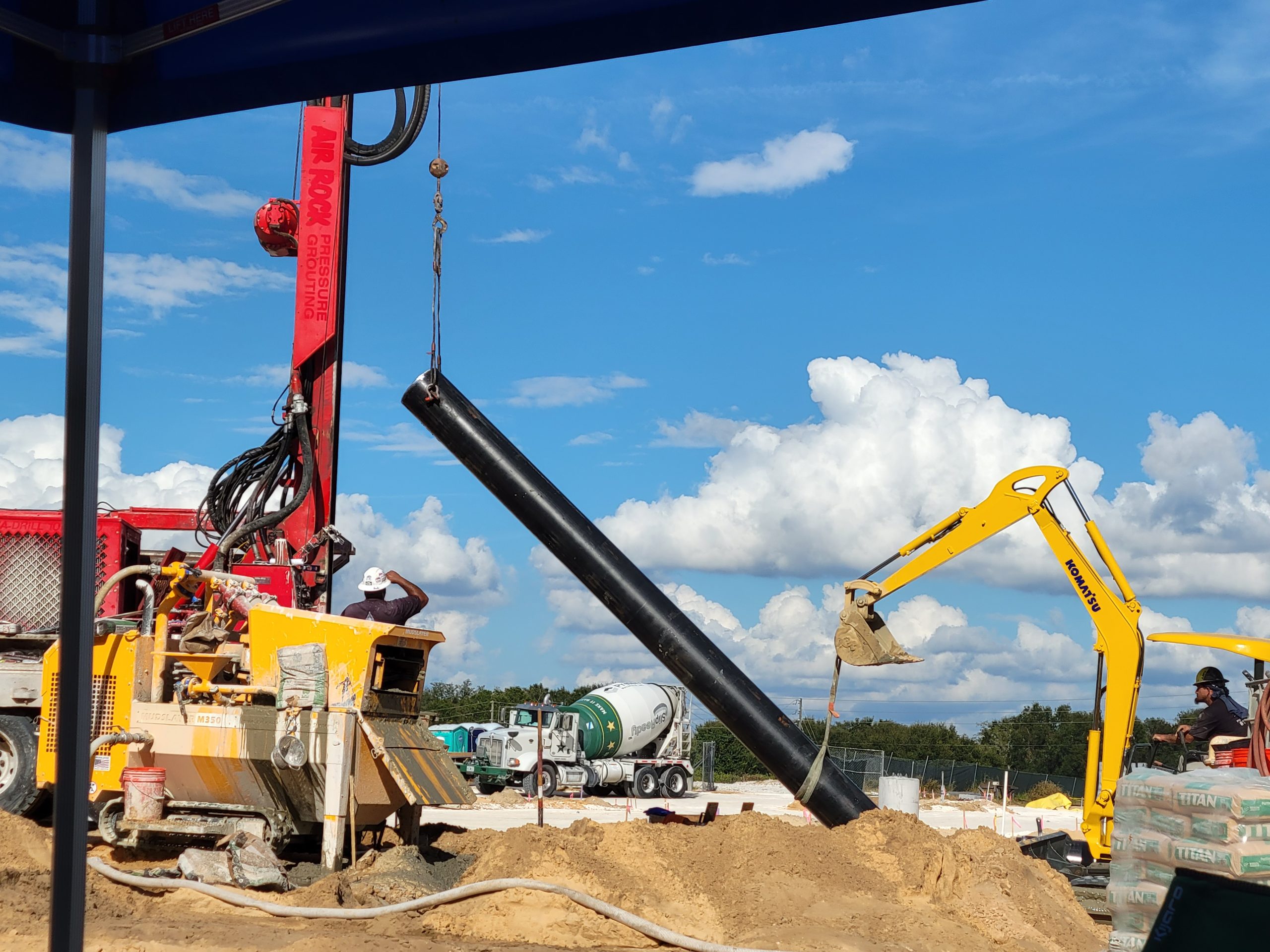
With hurricane season ending and winter rains approaching, fall is the critical window for Largo property owners to properly decommission abandoned wells before surface contaminants reach the Floridan aquifer. Learn what proper well abandonment involves, why Florida regulations require it, and why waiting carries real risk.
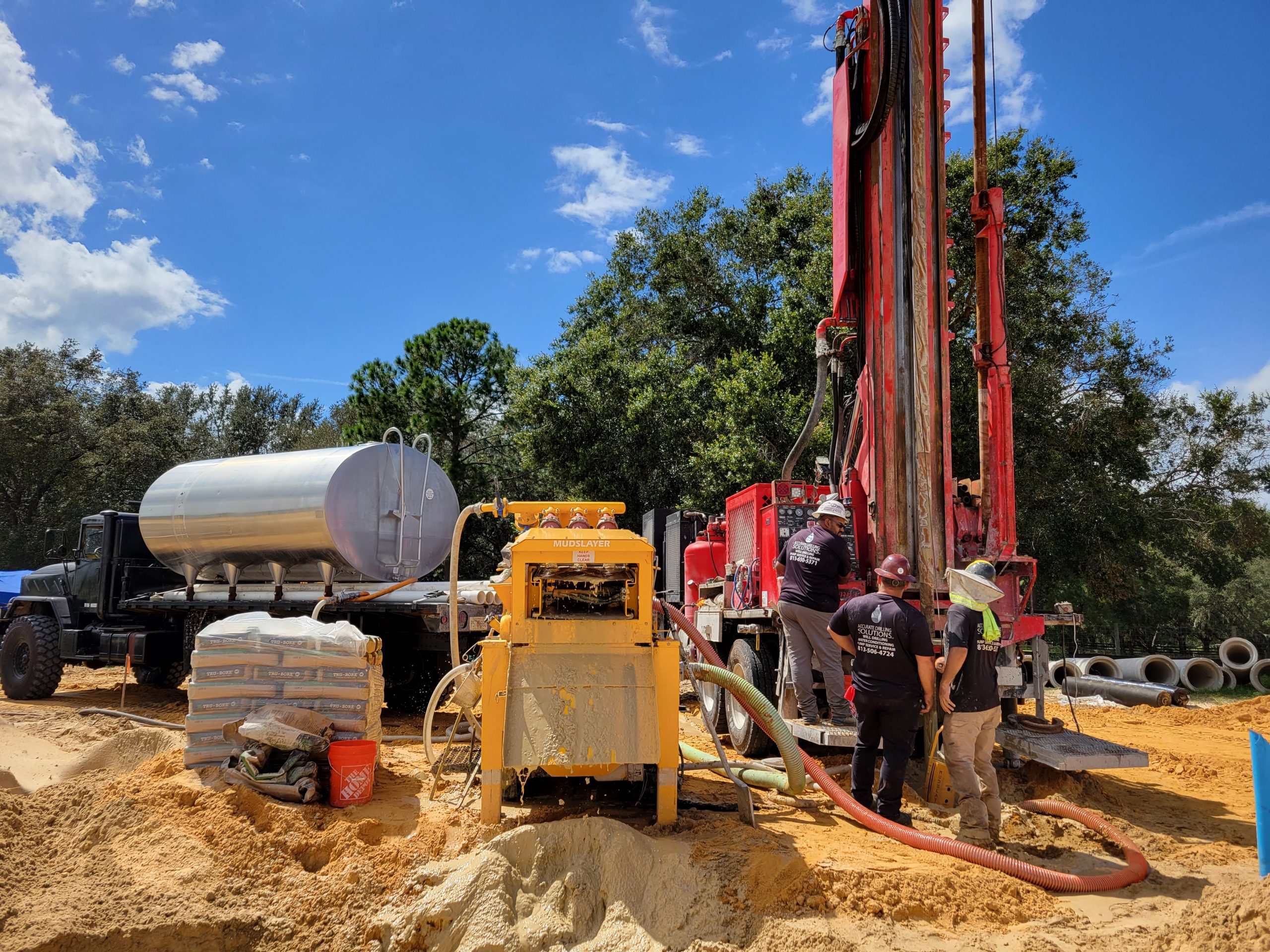
If your geothermal system in Largo is showing signs of reduced performance, the supply well may be the source of the problem. This article covers the key symptoms of well yield decline, limestone aquifer scaling, and reduced system efficiency — and what to do about them.

Selecting the right well pump system in Zephyrhills involves more than picking a pump off a shelf. This guide walks Pasco County property owners through submersible vs. jet pump comparisons, Florida-specific sizing factors, and why professional installation is the only responsible path forward.