Decommissioning a well is an extremely important process. When a well becomes abandoned or no longer needed, it is important to have it decommissioned properly. Just because a well is no longer in use or has become abandoned, that does not mean it has been decommissioned. An abandoned well is simply a well that is no longer able to draw water from the ground. A decommissioned well is a well that a well expert alters in order to prevent vertical flow of water.
Why is Decommissioning a Well Important?
There are many reasons to decommission a well. If a well is no longer in use and nobody decommissions it, then it leads to problems. Most often what happens is that the well contaminates the underground reservoir. Contamination happens when a well corrodes due to lack of maintenance. This contamination may spread to other wells pulling from the same reservoir. As the property owner responsible for the source of the contamination, you may be held civilly liable to repair and remediate the contamination, which is an expensive and time-consuming endeavor. Furthermore, once contamination occurs in the water supply the contamination can never be completely removed. A decommissioned well also prevents animals or people from the surface into falling into the well thus avoiding further expensive liability.
How to Decommission a Well
There are many ways to decommission a well. The procedure of decommissioning a well depends on a number of factors. Those factors include the type of well, the quality of the well structure, and the geographic area of the well. Below are just some basic steps that can be taken in the decommissioning process. Please note that these steps are just to give a basic idea and are by no means comprehensive. The experts at Accurate Drilling will determine the best procedure for decommissioning.
How to Prepare
There are four mains steps a person should take before decommissioning their well. Our technicians at Accurate Drilling Solutions will take care of these steps for you.
- Disconnect the power source to the equipment of the well. This includes the power to any peripheral equipment used for the well such as the pumps, piping, wiring, etc.
- Determine the depth of the well, the casing used for construction, and any geographic conditions that were taken into consideration when the well was built.
- Remove any obstacles surrounding the well that may prevent the decommissioning process such as heavy vegetation or rocky terrain.
- Determine what materials will be best to fill your well based on depth, construction, geographic area of the well, and make sure that the materials comply with the proper agency laws and regulations and will prevent future contamination to the water supply.
continue reading
Related Posts
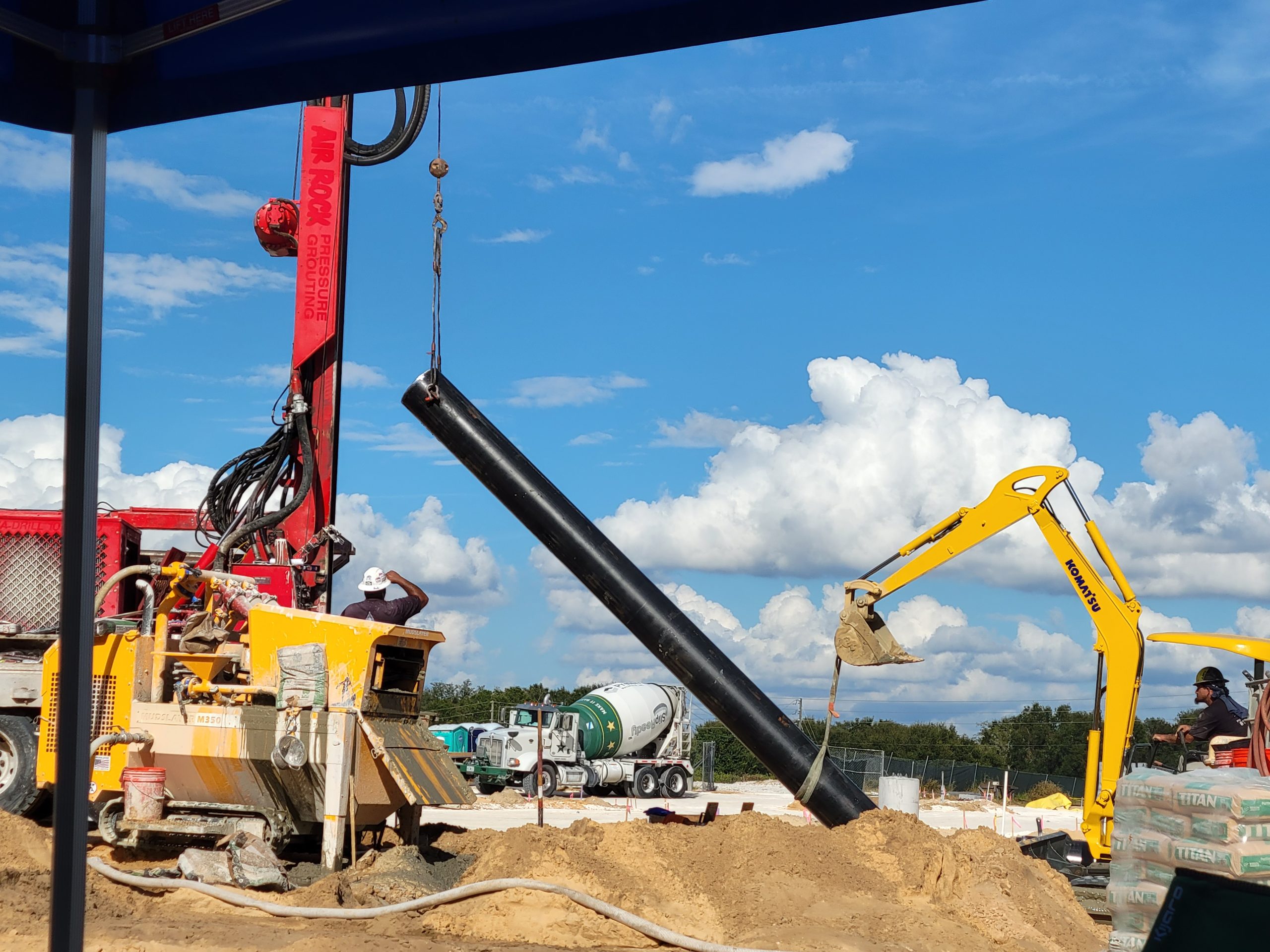
With hurricane season ending and winter rains approaching, fall is the critical window for Largo property owners to properly decommission abandoned wells before surface contaminants reach the Floridan aquifer. Learn what proper well abandonment involves, why Florida regulations require it, and why waiting carries real risk.
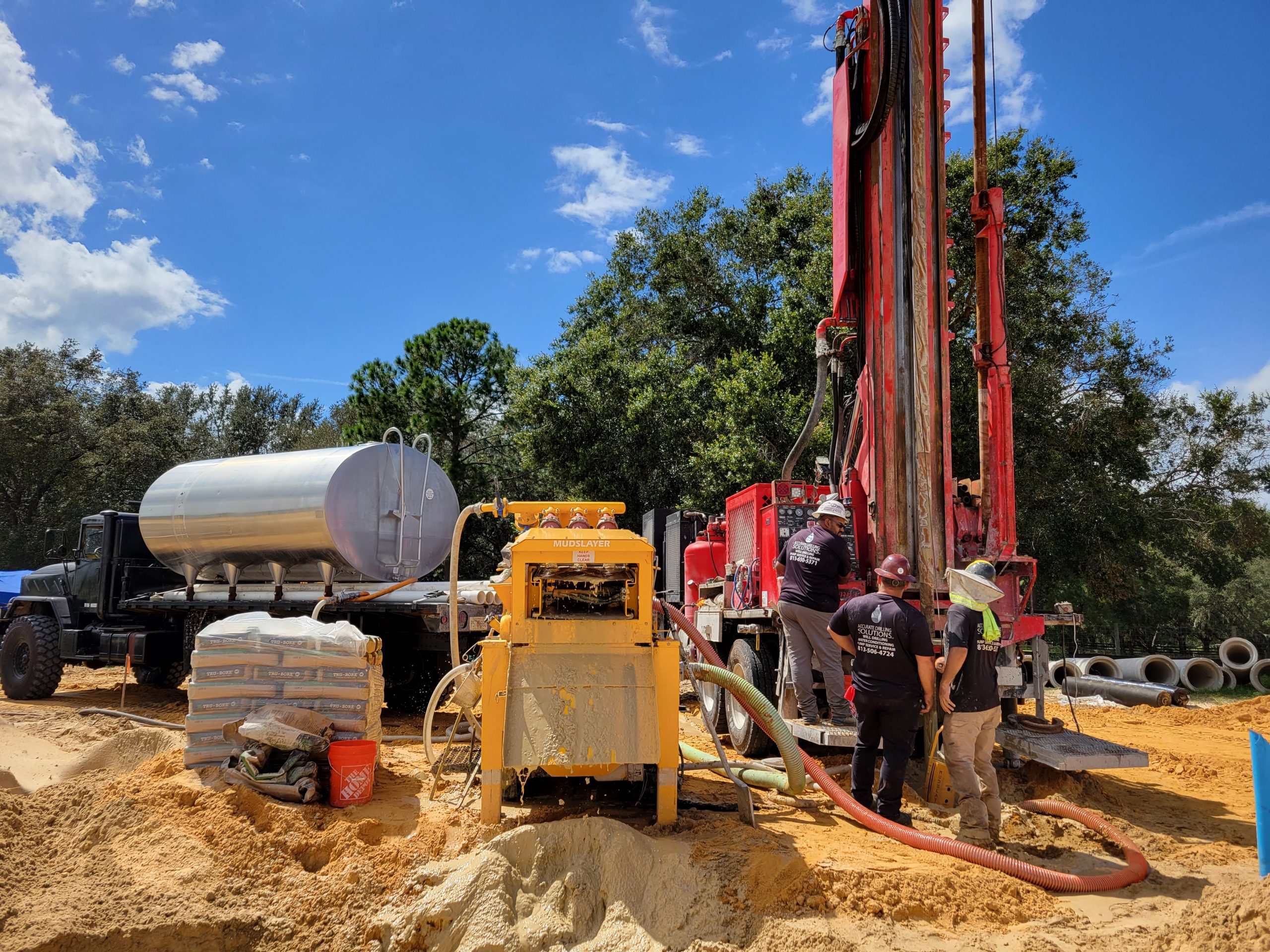
If your geothermal system in Largo is showing signs of reduced performance, the supply well may be the source of the problem. This article covers the key symptoms of well yield decline, limestone aquifer scaling, and reduced system efficiency — and what to do about them.
Selecting the right well pump system in Zephyrhills involves more than picking a pump off a shelf. This guide walks Pasco County property owners through submersible vs. jet pump comparisons, Florida-specific sizing factors, and why professional installation is the only responsible path forward.