
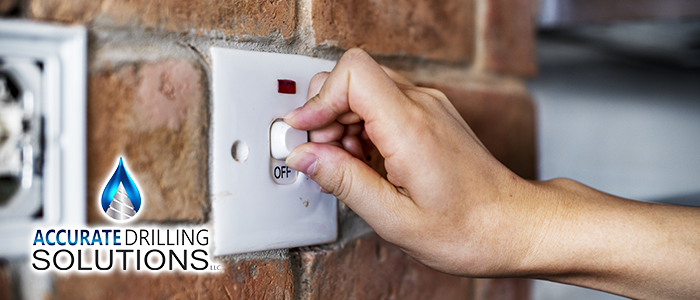
People are travelling much less these days. But sometimes leaving home for an extended period of time is unavoidable. In those cases, if you have a private well, what should you do? Do you turn it off? Do you just let it run? Read on to learn why you need to turn off the well pump when you leave home.
Your System
First you should be sure you are familiar enough with your system to know what needs water in your home. If you have something like a hydronic system for heating, you should leave the well system on, as the water will be needed for it. But if not then it should be ok to shut off the power to the well pump before leaving. In Florida, there is not really a concern for pipes freezing and bursting due to cold temperatures, so there is not really a danger of flooding in this sense.
One advantage of shutting off your pump before leaving is, if there is any kind of electrical problem in the home while you are away, such an electrical surge, your unit is not susceptible to electrical damage while you are away and can not do anything to resolve the issue.
While cold temperatures may not be an issue in Florida, leaks can still occur. A well system that has not been regularly inspected can be vulnerable to equipment failures and damaged piping which can burst while you are away. These issues could lead to flooding and severe water damage while you are away and unable to catch the problem early.
This could also be dangerous to your health as when you return, the stagnant flood waters in the home are a breeding ground for harmful bacteria and viruses. Turning off your well pump can prevent costly and time-consuming damages to your home and your health.
How to Turn Off the Well Pump
To turn off a well pump, you will need to locate your electrical panel. Your panel should be labeled by whoever installed the electrical system. Find the label for your well pump system and switch it off. You may also want to shut off the power to your water heater, as in rare instances a broken water line can cause water to siphon back from your water heater into your well, causing damage to the heating unit.
If you do not know the manufacturers requirements for your pump or you are concerned about what is the best course of action while travelling, give us a call to have someone come out and evaluate your system and ensure that all parts are in good working order. You can not beat having peace of mind that your home and equipment are safe while you are away.
continue reading
Related Posts
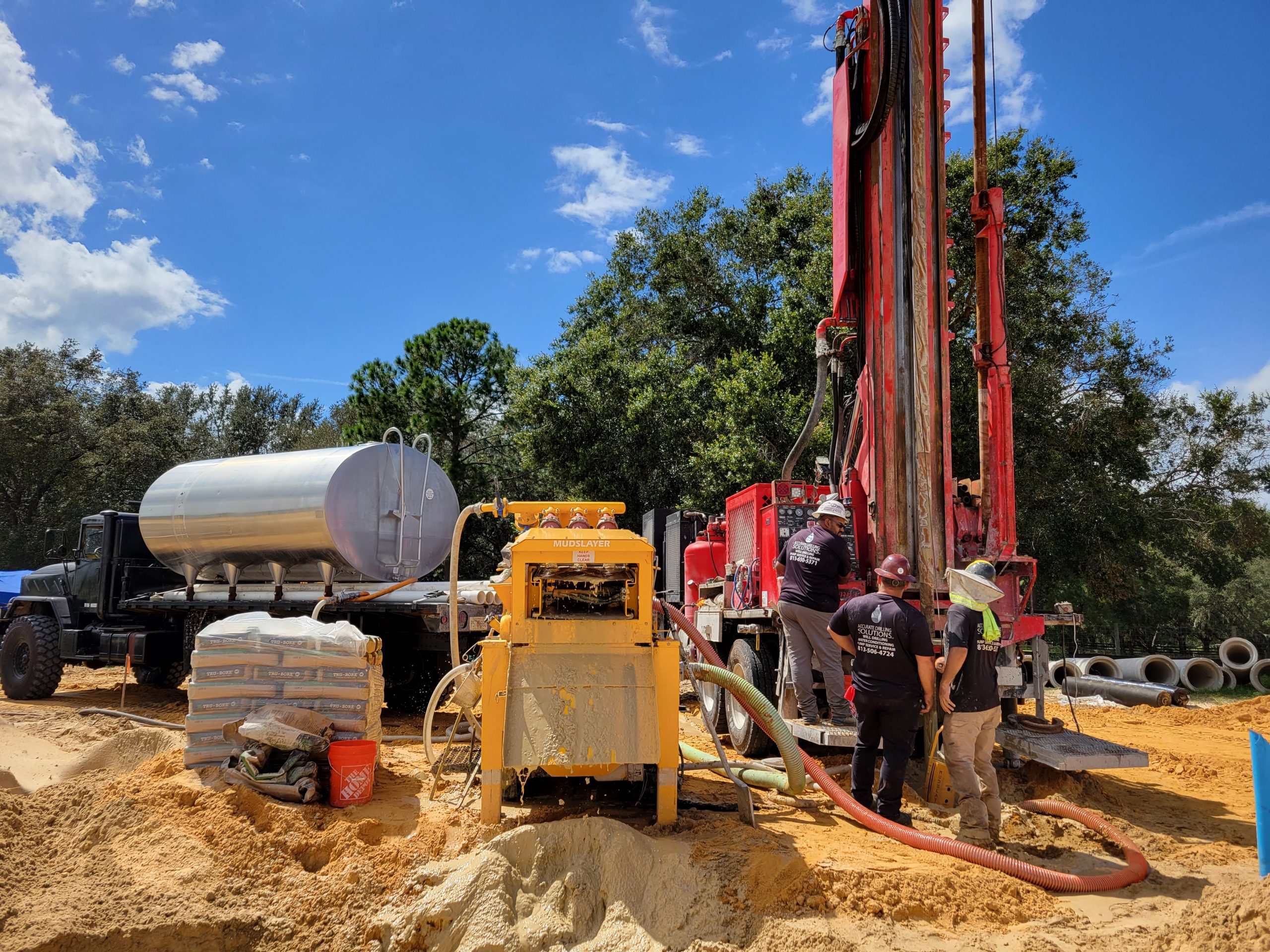
If your geothermal system in Largo is showing signs of reduced performance, the supply well may be the source of the problem. This article covers the key symptoms of well yield decline, limestone aquifer scaling, and reduced system efficiency — and what to do about them.
Selecting the right well pump system in Zephyrhills involves more than picking a pump off a shelf. This guide walks Pasco County property owners through submersible vs. jet pump comparisons, Florida-specific sizing factors, and why professional installation is the only responsible path forward.

Largo's coastal position, shallow Floridan Aquifer access, and aging residential well infrastructure create specific stress patterns on well pump systems. Understanding these local conditions helps homeowners protect their equipment before problems develop. Learn what makes Largo different — and what to do about it.