Once again, it is hurricane season in Florida. Every year from June to November, we Floridians have the joy of checking the weekly weather updates to see if there is a new storm system brewing off our coastline. If there is a storm on its way toward us, we are all too familiar with the regular steps to prepare. We buy a case of bottled water, keep a stash of non-perishable food items, prepare to be without power for a few hours to a few days, board up the windows, et cetera.
If you are the proud owner of a private water well, there are a few steps to take to ensure that your well makes it through the hurricane.
Before the Hurricane
- If your wellhead or pump are exposed to the elements, you will want to make sure to cover and secure them so that they are not damaged by any flying debris from high winds.
- Also, in preparing for a possible power outage, make sure you know where the circuit breaker is for your well. If the power goes out, you will want to turn off the power to your well at the breaker and leave it off for the duration of the storm. This will protect your equipment from electrical surges which could damage the electrical components of your well system. If you do not already have a surge protector on your equipment, now would be a good time to invest in one.
- Before the storm makes landfall, you should fill your tubs and sinks with water. This way, if your well pump loses power, you can use this water to wash your hands and flush your toilets.
After the Hurricane
- The first thing to remember after the storm passes is that depending on the damage to your home and your area, you should be extra cautious before restoring power to the system.
- If there is no flooding, take a look at your equipment and make sure there is no visible damage. At the sight of any evident damage, call a professional to have the system inspected and repaired before turning the power back on.
- If you do have flooding, DO NOT turn the power back on. DO NOT go near the area. You do not want to receive an electrical shock. Wait for the flood water to recede before approaching the system.
- Also, in the case of flooding, not use or drink the water from the system for any reason. Use an alternate water source such as bottled water.
- You may want to have your well water tested after the storm has passed to ensure that there has not been any contamination.
Contact Us
As always, if you have any questions or concerns, give us a call to have your system inspected. We can walk you through any questions you may have before or after the storm.
continue reading
Related Posts
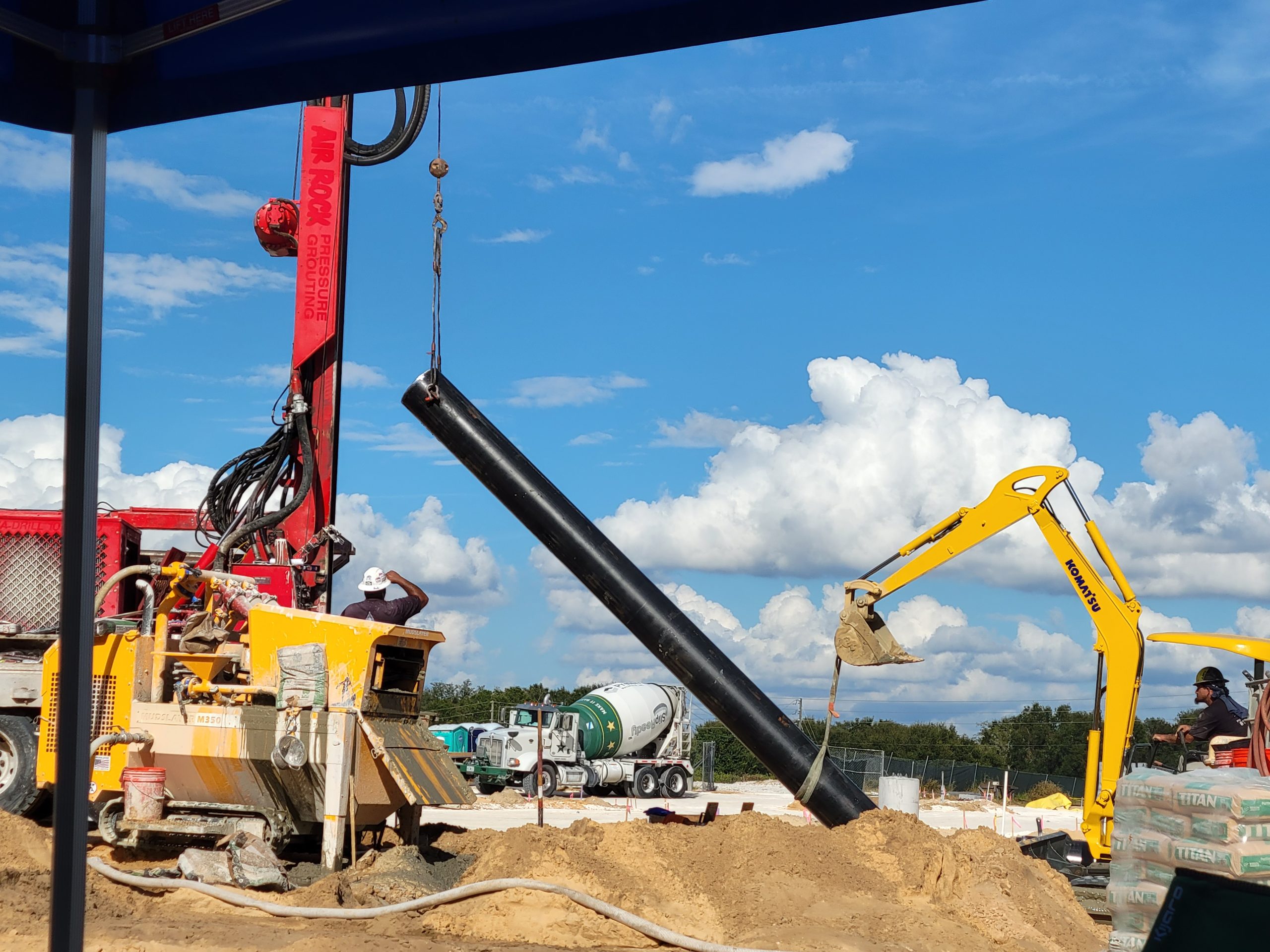
With hurricane season ending and winter rains approaching, fall is the critical window for Largo property owners to properly decommission abandoned wells before surface contaminants reach the Floridan aquifer. Learn what proper well abandonment involves, why Florida regulations require it, and why waiting carries real risk.
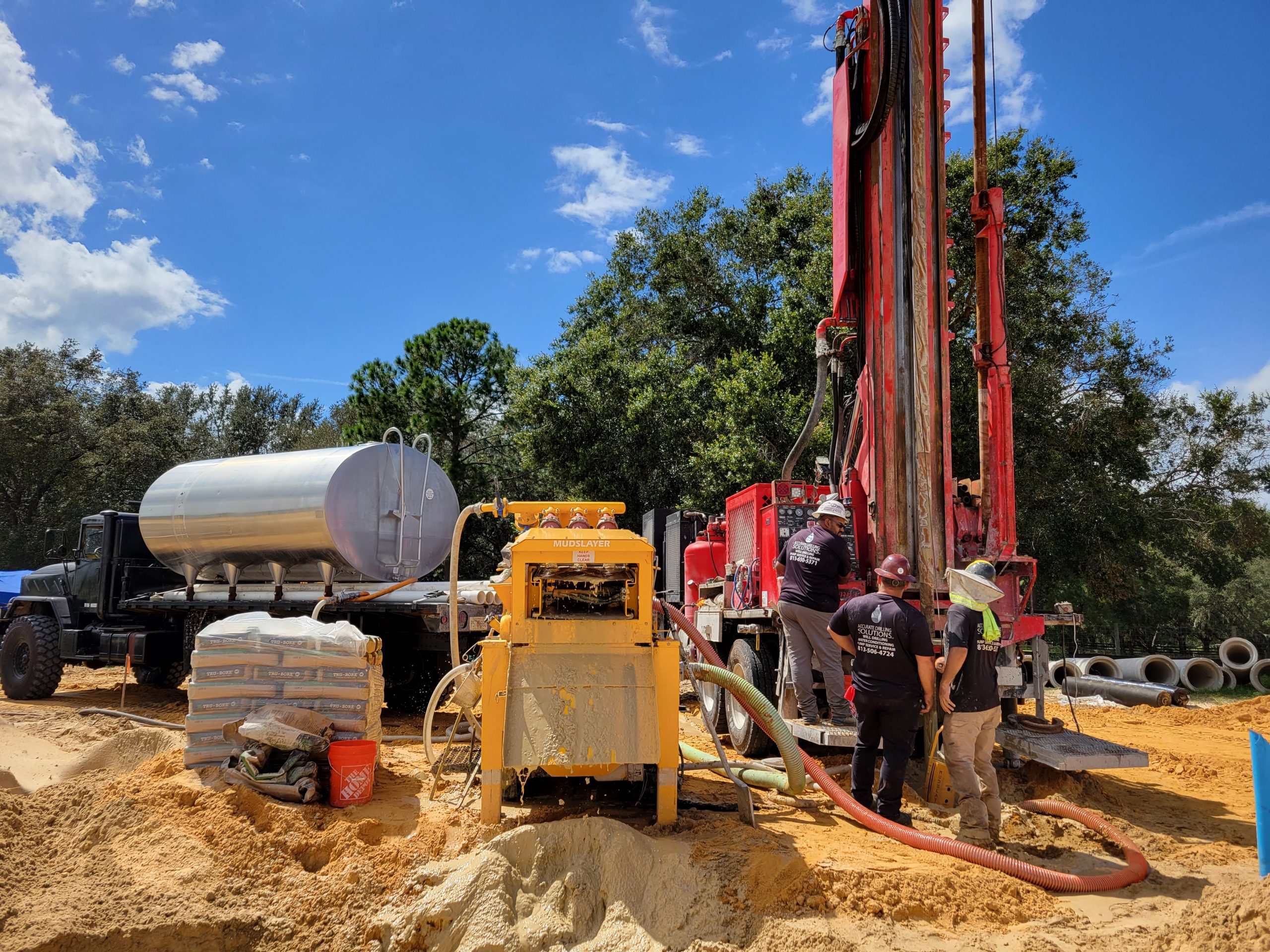
If your geothermal system in Largo is showing signs of reduced performance, the supply well may be the source of the problem. This article covers the key symptoms of well yield decline, limestone aquifer scaling, and reduced system efficiency — and what to do about them.
Selecting the right well pump system in Zephyrhills involves more than picking a pump off a shelf. This guide walks Pasco County property owners through submersible vs. jet pump comparisons, Florida-specific sizing factors, and why professional installation is the only responsible path forward.