If you are a private well owner, then you should be aware that wells need regular maintenance. It is necessary to ensure the continued safety of your well and water. It is always best to consult a professional for any repairs. Homeowners also need professionals when it comes time to seal your old well and dig a new one. But there are some things you can do yourself to maximize the life and function of your well. Below are our recommendations for well water maintenance tips.
Annual Testing
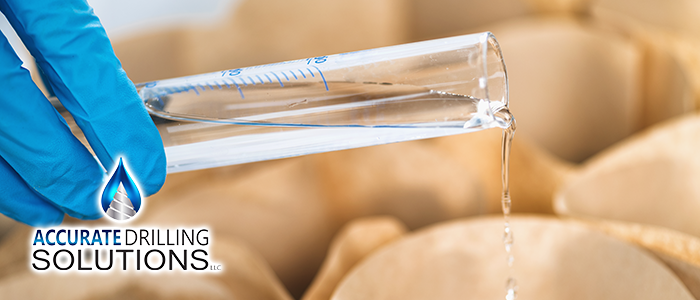
The most of the well water maintenance tips is to conduct annual testing. Your well water should be tested annually for any contaminants. The list of contaminants includes nitrates/nitrites, total coliform, and any other local contaminants. You can check with the EPA website for more information about local contaminants that you should be testing for. Well water needs testing more frequently if there are recurrent gastrointestinal issues in the home or any damage to the well.
Wells require additional testing under a variety of conditions.
- Sudden change in the color
- Changes in smell
- Adjustment in the taste of the water
- If there’s an infant in the home whose digestive tract is not yet fully developed.
Annual Inspection
While you are running well water testing each year, you should also be visually inspecting your well for signs of damage. Make sure that the well cap or cover is intact, that it seals properly, and that there are no indicators of mechanical damage that could cause malfunction.
Hazardous Material Shortage
All hazardous materials including fertilizers, pesticides, motor oil, paint, and other chemicals should be kept and used far away from your well in order to prevent any groundwater contamination that may result from spills. When mixing chemicals, take proper care to not place your hose into the container you are using. If your hose is in the container, you could inadvertently cause back siphoning, where the chemicals can get pulled into your well.
Landscaping Impacts
When making any landscape changes, be sure the keep the top of your well at least one foot above ground level. Also make sure that the ground around the well slopes away to ensure proper drainage.
Use A Professional
When the time comes that your well reaches the end of its usable life, typically around 20 years, always hire a professional well driller to close and seal the old well and dig a new one the proper distance from the new one.
Why This Is So Important
According to CDC.gov more than 15 million homes in the United States use private wells for their water supply. It is crucial that well water that is consumed by humans and domestic animals be properly treated, maintained, and kept free of bacteria and chemicals that can compromise health. While the Environmental Protection Agency protects public water supplies to certify it meets certain standards and regulations, private well owners are themselves responsible to test their well water for safe use and to protect the well to prevent water contamination.
continue reading
Related Posts
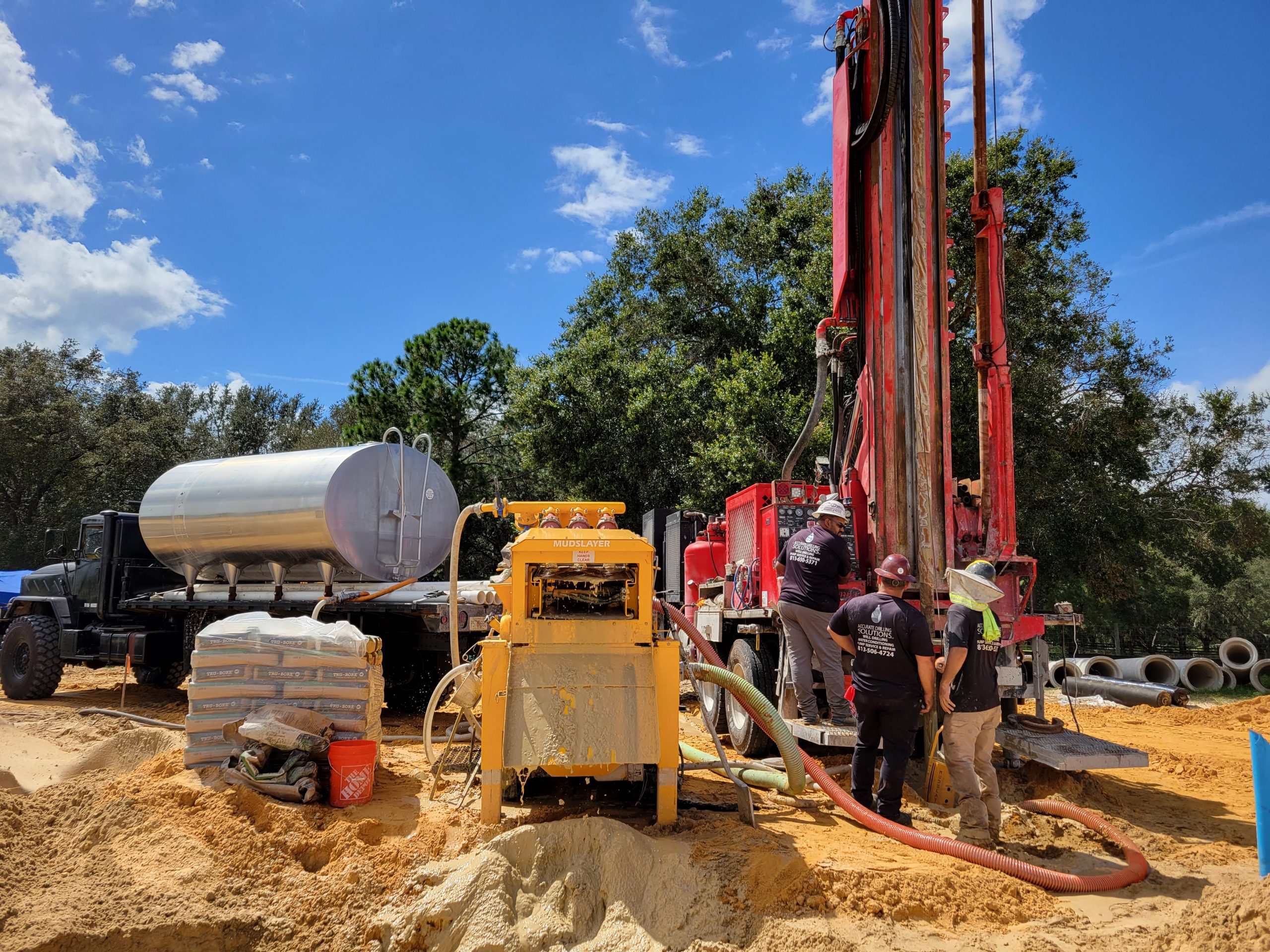
If your geothermal system in Largo is showing signs of reduced performance, the supply well may be the source of the problem. This article covers the key symptoms of well yield decline, limestone aquifer scaling, and reduced system efficiency — and what to do about them.
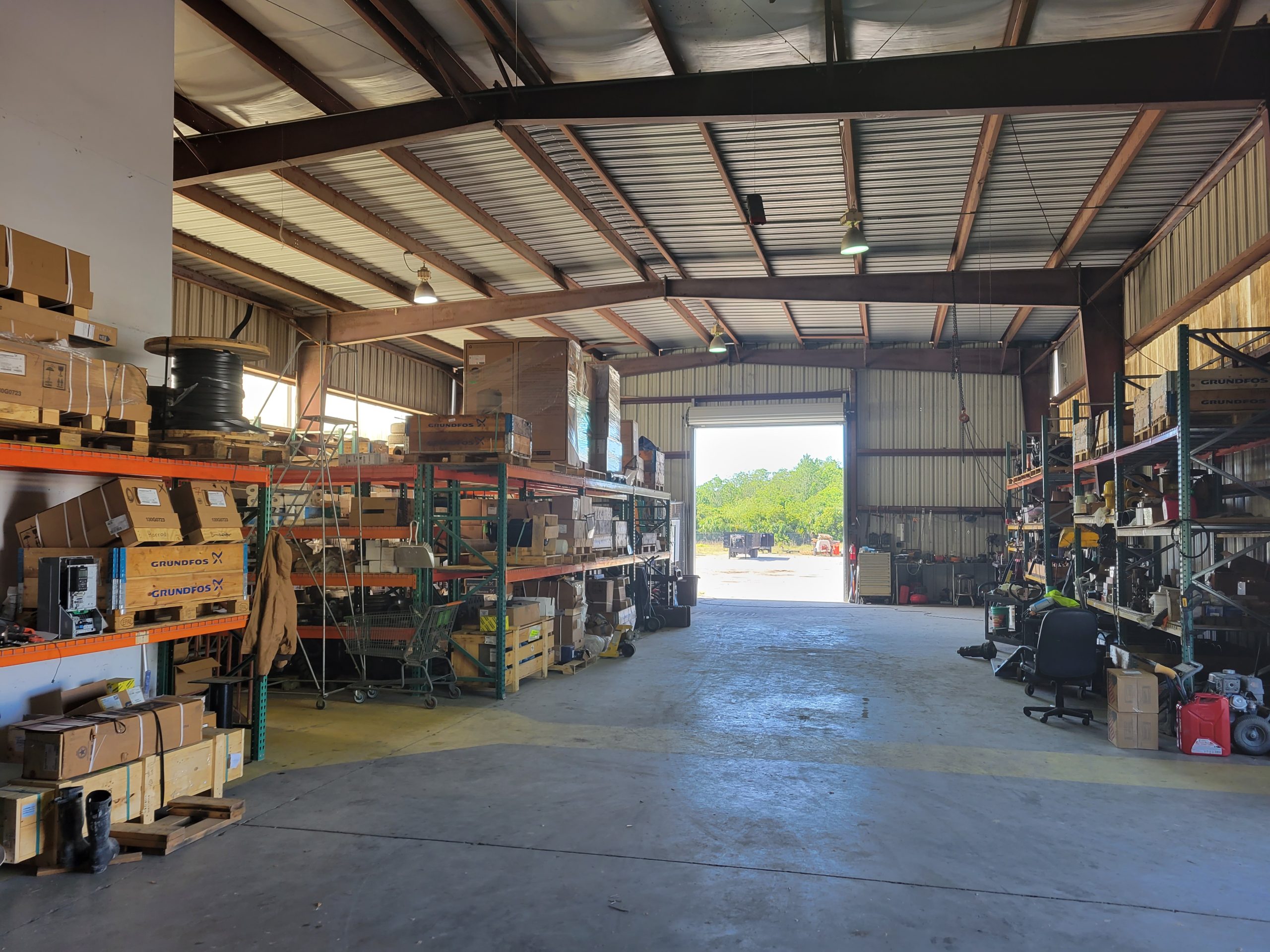
Selecting the right well pump system in Zephyrhills involves more than picking a pump off a shelf. This guide walks Pasco County property owners through submersible vs. jet pump comparisons, Florida-specific sizing factors, and why professional installation is the only responsible path forward.

Largo's coastal position, shallow Floridan Aquifer access, and aging residential well infrastructure create specific stress patterns on well pump systems. Understanding these local conditions helps homeowners protect their equipment before problems develop. Learn what makes Largo different — and what to do about it.