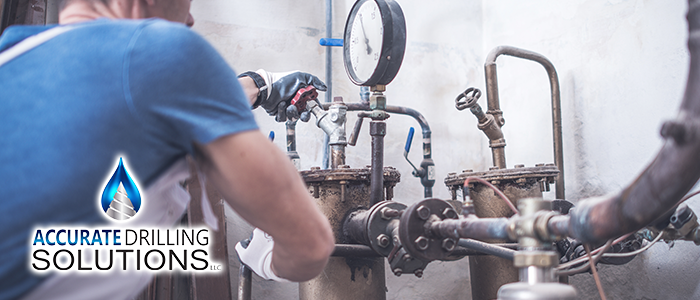
Wells use a ton of pressure and air to move water from the ground into your home for dishes, drinking, and faucets. In this process, you need a lot of water and air to rush to where they weren’t before. If something gets slightly off, you’ll experience weird sounds!
Here’s some common problems and how to take care of them to eliminate unusual sounds and get back to quiet, peaceful pipes.
Pipes Making Banging or Rattling Sounds
If your pipes are banging or rattling, the issue is usually with the pipes hitting off external things.
Pipes Bumping Beams and Studs
Depending on the layout of the house, your pipes might be placed close to beams and studs in the walls. Pipes generally shift a bit over time with age, which can nudge them closer to noise-making objects. It’s a bit like a drum, with the pipes acting as the drum sticks and the wood of your house acting as the drum.
As valves open and close and pressure changes, the pipes can bump up against studs and beams, causing a banging sound. To solve this problem, you might have to tighten all the pieces that secure the pipe. Usually you can strap it against something to secure it. This prevents the pipe from bumping the wall.
Water Hammer
If you have a well pump and are hearing noises, it’s most likely from water hammer. This is the name for water that stops abruptly in the plumbing system, sending a wave of noisy clunks through your pipes. You might hear small noises or a single loud noise—but usually these noises are concentrated at the well or the walls of the well house.
Water hammer can come from irrigation valves or shutoff valves, but also from valves on toilets and faucets. Water hammer noises and kickback can be suppressed with a water arrestor—it’s basically a shock absorber for your water system.
These absorbers can be a DIY project, or you can get a professional to help install them. If the arresters are bigger, you probably need to cut and repair the water line itself. You’ll need a pro to do that.
Extra Pressure
Your storage tanks control the amount of pressure and flow of water. If the air-fill of a tank gets off, and is uneven with the pressure gauge, you can get some clunking sounds coming from the tank. You can add and remove tank pressure using a regular tire pump! The goal is to hit a static pressure that is close to the pressure of the actual tank, within about 1-2 pounds. You might need a professional to help you with this.
Pipes Making Humming or Gurgling Noises
If your pipes are humming or gurgling, there is probably an issue with the water pressure. Gurgling can occur when your pipes aren’t draining well. Various obstructions or hard water may have built up in the drains. Drain cleaning can get rid of a lot of the gurgling noises that might be occurring in the drains.
Humming and whooshing noises can occur when the water pressure from the well is too high for the pipes to handle. If the system can’t support the pressure, the pipes can start vibrating and humming when the water is running. Try lowering the pressure a bit and the humming should clear up.
Pipes Are Whistling or Making a Squealing Noise
Whistling and squealing noises don’t often come from the well itself or even the pressure, which is great. Squeaks and whistles generally come from smaller components, like washers, that have worn down and are letting air or water scrape through. If you can’t tighten things yourself you can easily get a professional to help you out.
continue reading
Related Posts
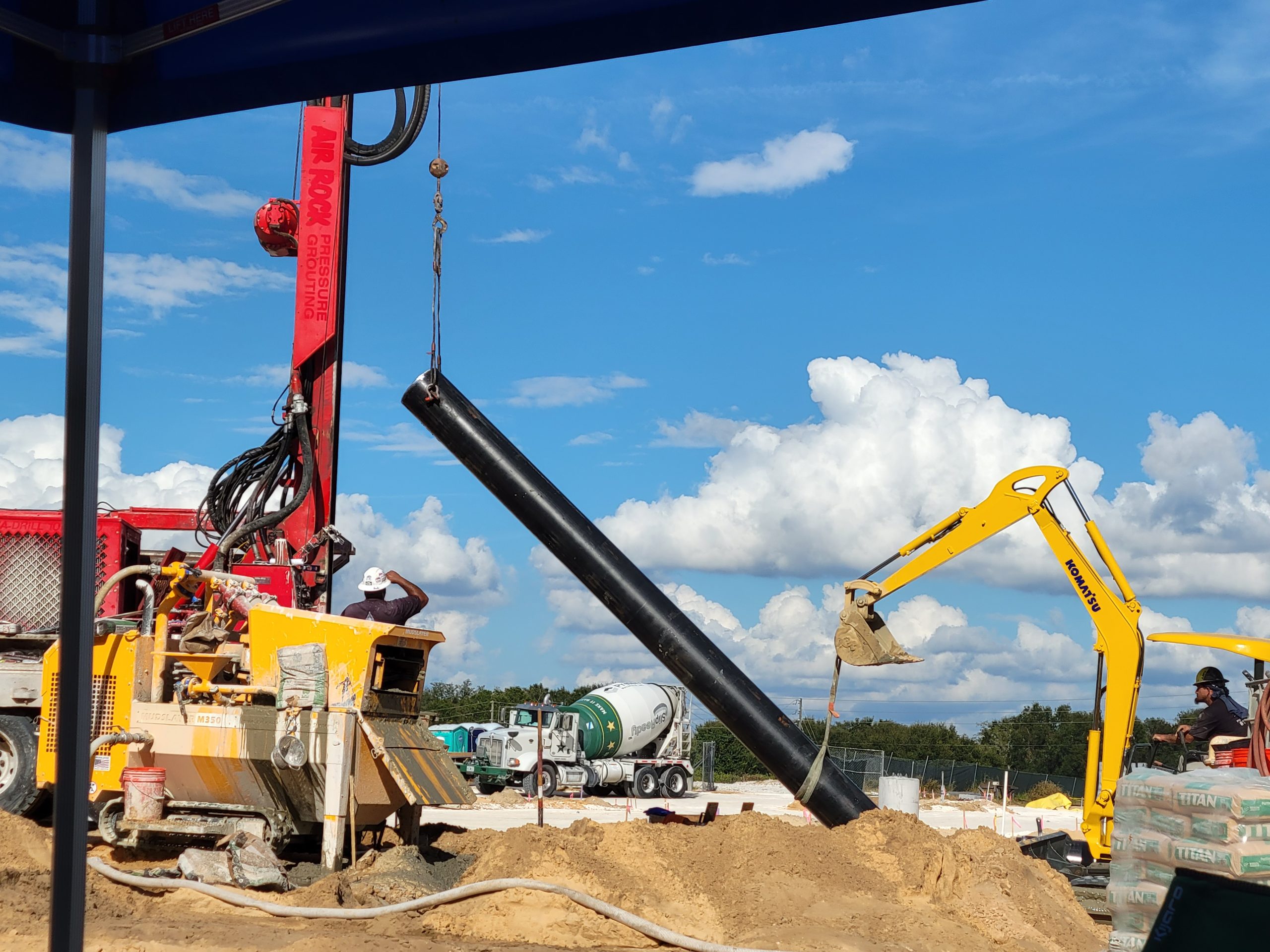
With hurricane season ending and winter rains approaching, fall is the critical window for Largo property owners to properly decommission abandoned wells before surface contaminants reach the Floridan aquifer. Learn what proper well abandonment involves, why Florida regulations require it, and why waiting carries real risk.
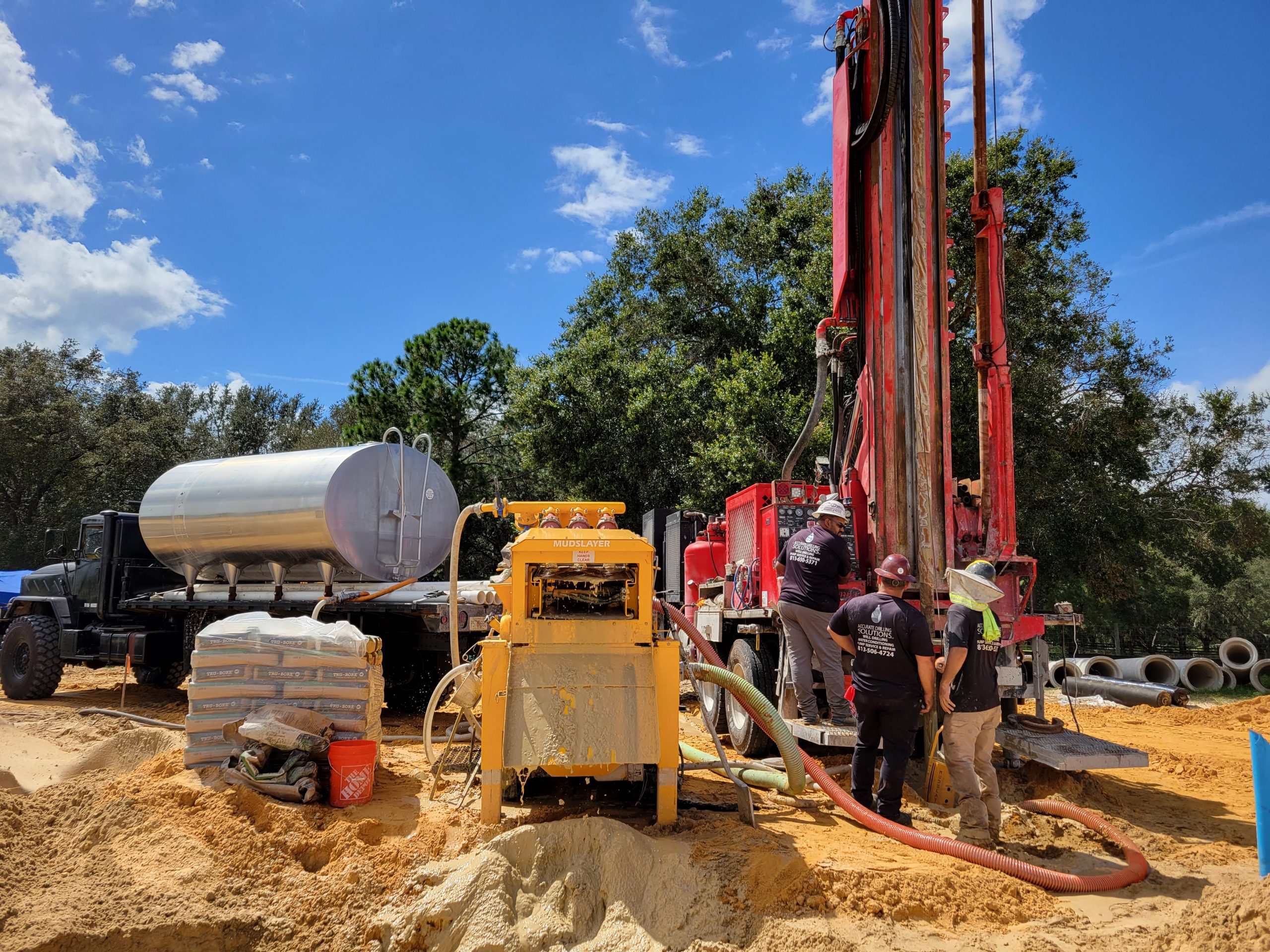
If your geothermal system in Largo is showing signs of reduced performance, the supply well may be the source of the problem. This article covers the key symptoms of well yield decline, limestone aquifer scaling, and reduced system efficiency — and what to do about them.
Selecting the right well pump system in Zephyrhills involves more than picking a pump off a shelf. This guide walks Pasco County property owners through submersible vs. jet pump comparisons, Florida-specific sizing factors, and why professional installation is the only responsible path forward.