Water Conditioners are very useful parts of the water system in a home, particularly if the home runs on well water. People that use municipal water are often only accessing water that has been conditioned. The county or district that the users reside in is responsible for treating the water to make it potable. However, well owners are responsible for conditioning their own water. This is where water conditioners step in. Read on to learn all about water conditioners. Many thank to Cascadian Water for their research on the subject.
What Are Water Conditioners?
A water conditioner is a device that process or changes the water entering the home in some way. For example, many homeowners use water softeners. Water conditioners serve to better the water that homeowners drink, cook, and bathe with. Some conditioners make owner’s safer, while others improve the quality or taste.
Obviously, this definition is a very broad way of looking at things. Some well owners may need conditioners that take the water through multiple treatment options. Accurate Drilling actually works with the water conditioner manufacturer to create a custom solution for well owner’s problems. Above all, a custom water conditioner ensures that the water in a home is exactly as it should be, not “close enough”.
The most common type of water conditioner is a water softener. First and foremost, water softeners remove hard minerals from the water. This ensures that the water does not leave any residue behind and is gentler on skin. However, this is merely one type of water conditioner. On the other hand, there are actually hundreds of different functions for water conditioners.
Types Of Conditioners
-
Ion Exchange
The conditioner exchanges hard minerals like calcium for soft minerals, chiefly sodium. Most importantly, this category contains water softeners.
-
Absorption
This type of conditioner absorbs hard minerals and particles from the water. Most commonly, many types of absorption conditioners use activated charcoal filters.
-
Separating
Separating conditioners remove sediment and solids from the water. These sediments may be escaping the well filter, or drifting into the water between the well filter and the home. For example, additional filters serve this purpose.
-
Physical
These conditioners use a physical reaction to separate unwanted components from the water. For instance, a prime example of a physical conditioner uses the crystallization method. Additionally, treatments include electro-magnetic, magnetic, and deionization processes.
-
Chemical
Unsurprisingly, these conditioners use chemicals to treat and clean the water. Most commonly, conditioners make use of a chlorine treatment.
-
Disinfection
Disinfection conditioners remove harmful parasites or infections that may have polluted an aquifer. For instance, they use ultraviolet treatments on the water.
-
Processes
Processes are usually in place just to fit the water to a homeowner’s specifications. Options such as aeration or distillation impact the taste of the water more than anything.
continue reading
Related Posts
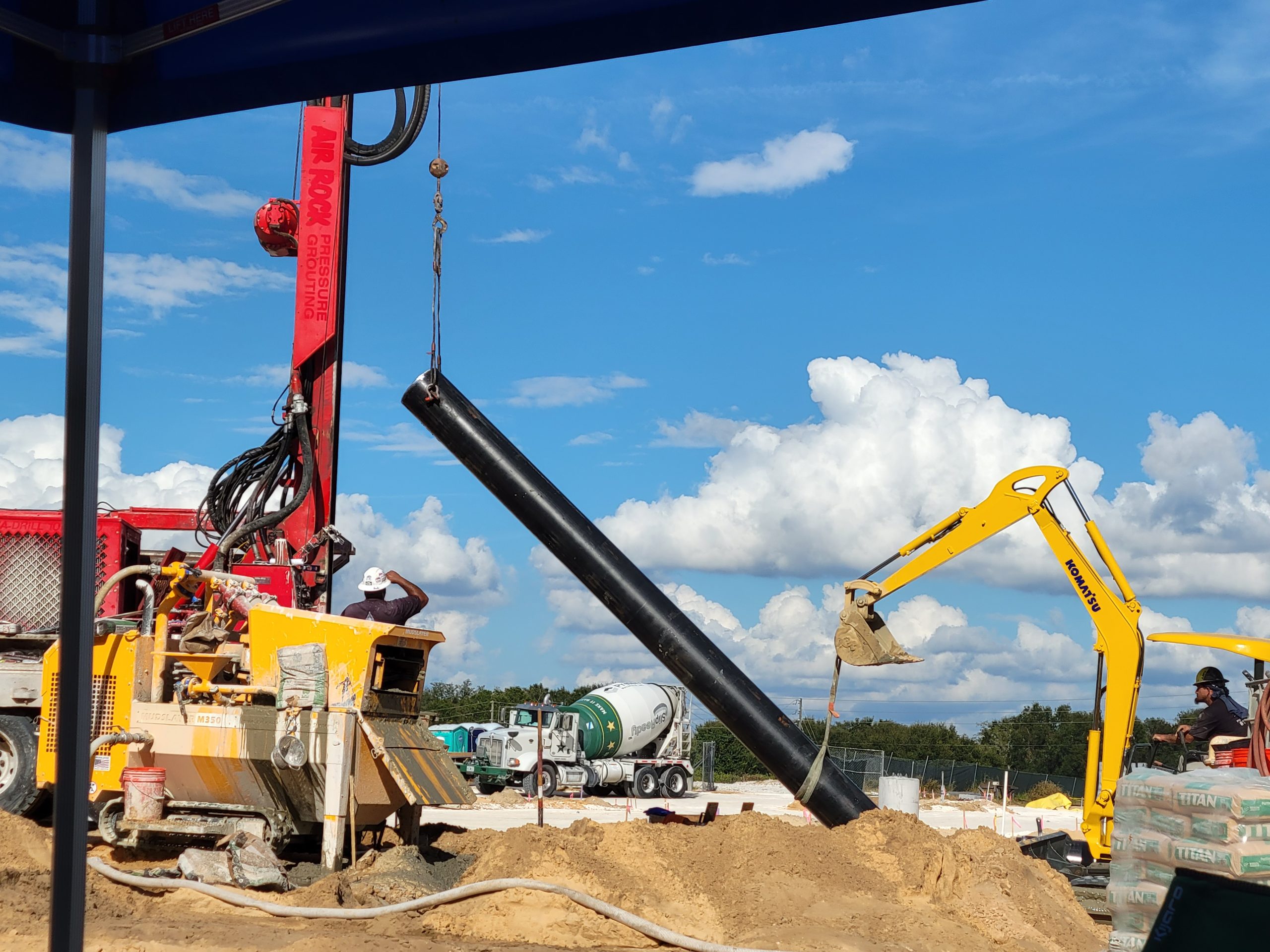
With hurricane season ending and winter rains approaching, fall is the critical window for Largo property owners to properly decommission abandoned wells before surface contaminants reach the Floridan aquifer. Learn what proper well abandonment involves, why Florida regulations require it, and why waiting carries real risk.
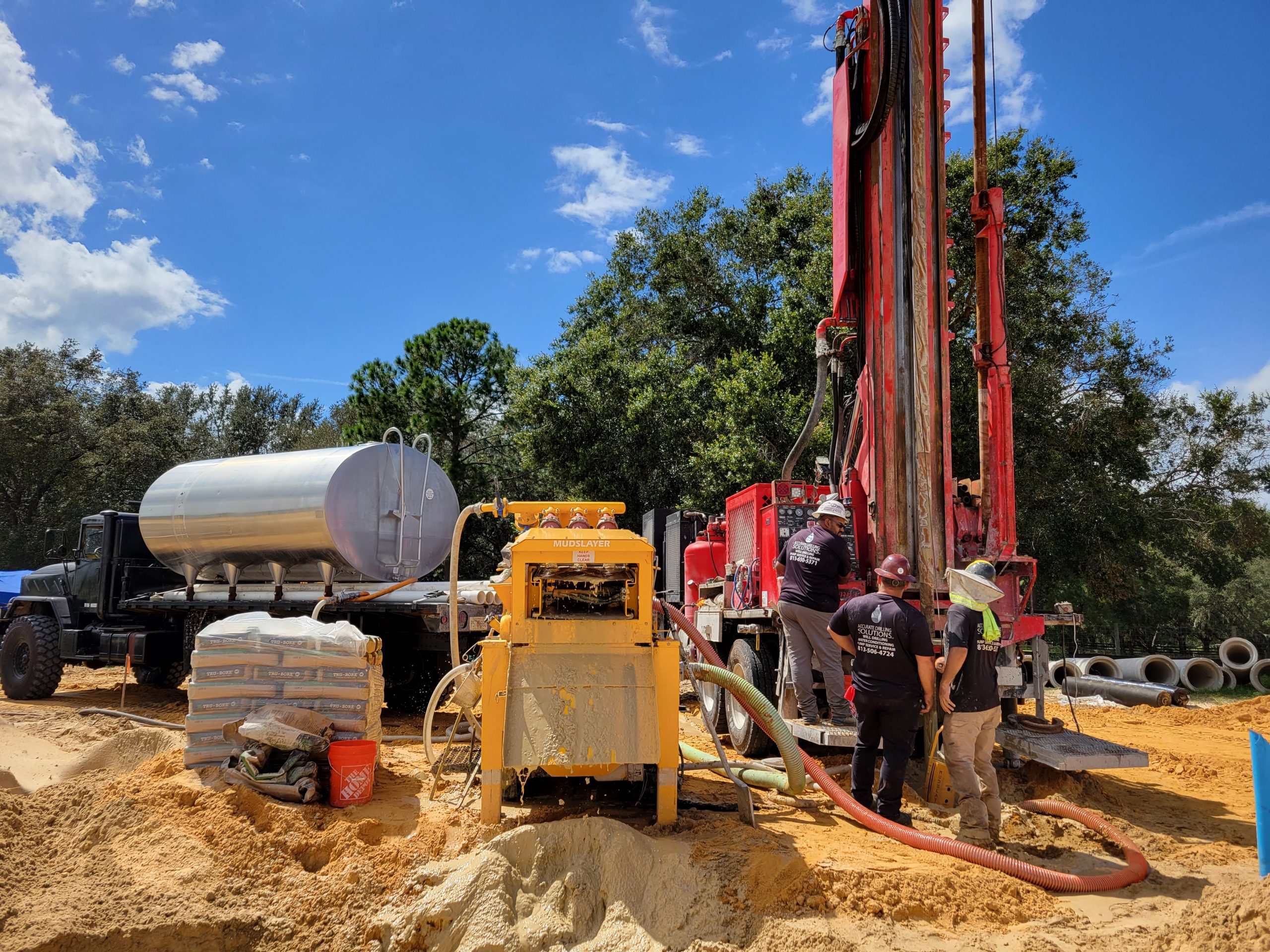
If your geothermal system in Largo is showing signs of reduced performance, the supply well may be the source of the problem. This article covers the key symptoms of well yield decline, limestone aquifer scaling, and reduced system efficiency — and what to do about them.
Selecting the right well pump system in Zephyrhills involves more than picking a pump off a shelf. This guide walks Pasco County property owners through submersible vs. jet pump comparisons, Florida-specific sizing factors, and why professional installation is the only responsible path forward.