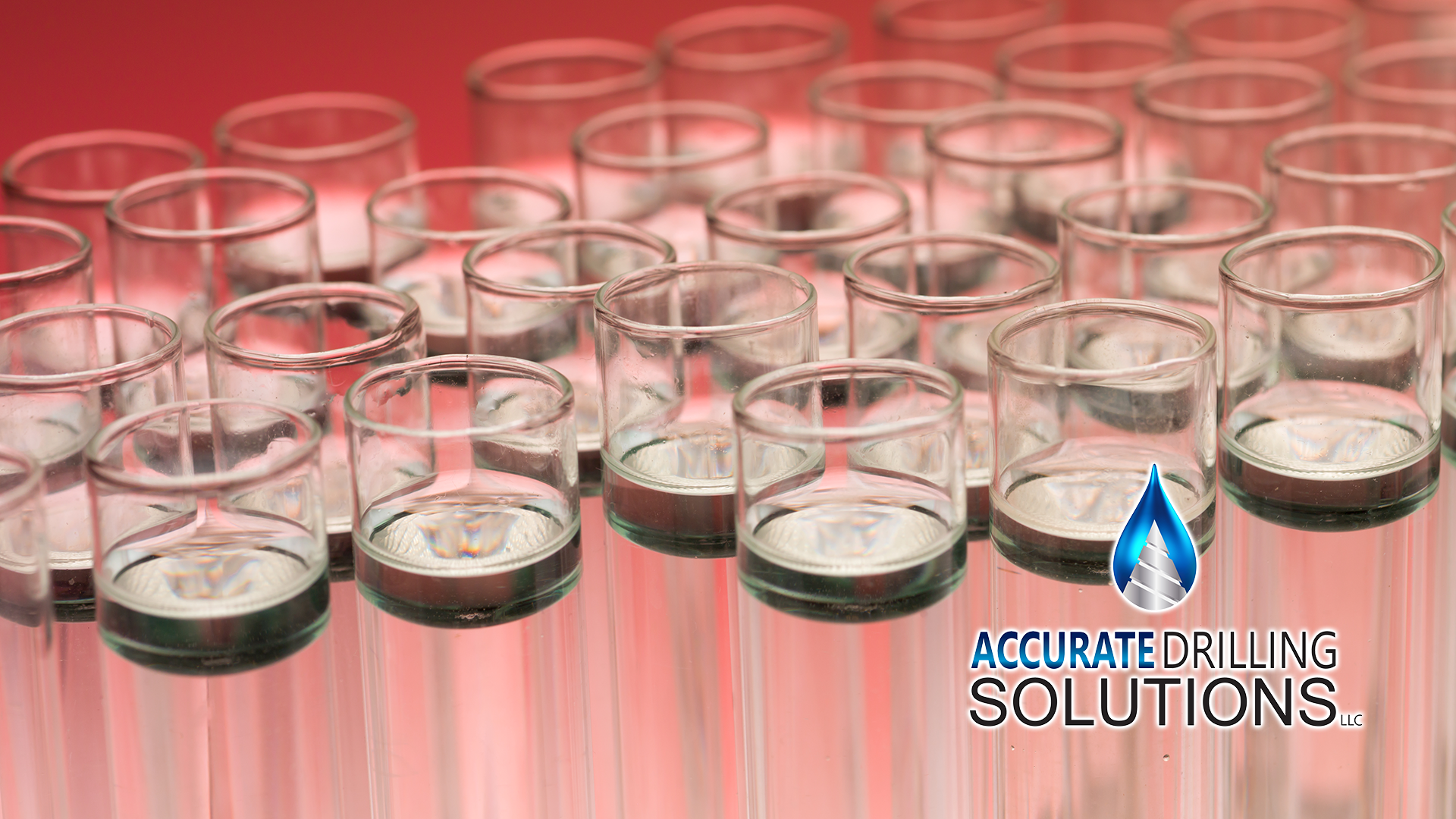
One of the primary concerns of first-time well owners is health and safety. Most wells operate for years and have no issues, but it is always smart to double check. Regular well testing insures that the water your family is using is clean. Approaching well testing for the first time is always a little confusing, so we’re here to guide you through.
Most of the information in this article comes from the Centers for Disease Control and Prevention. The CDC is a great resource for well owners who want to learn everything possible about their residential wells.
Water Quality Indicators
Water quality indicators, also called WQIs, are used to measure the safety of the water in your well system. Typically, these indicators are not actually the unhealthy thing themselves. Instead, they are materials that are easy to test for that usually show up with the actual causes of illness. The little germs ad bacteria that do cause illness are usually pretty difficult to test for.
There is no completely pure water on Earth, so it is not unusual to find a microscopic amount of WQIs in well water. However, every measured indicator has a level at which they become unhealthy. While there are at home tests, it is often better to let the professionals handle testing. That way, homeowners are not unnecessarily panicking or letting a potentially threat slip by.
-
Coliforms
Coliforms are bacteria that reside in the digestive track of warm-blooded animals (including humans). They also dwell in soil, on plants, and in surface water. Coliforms do not make you sick, but they usually accompany parasites, bacteria, and germs.
Most tests will measure both the total amount of coliforms present, as well as the amount of fecal coliforms. A type of fecal coliform you may know about is Escherichia coli (E. coli). There is only one type of E. coli that makes humans sick, but the presence of other kinds isn’t good. The presence of fecal coliforms, and E. coli in particular, indicates that your well has been infected with human feces.
The presence of high amounts of coliforms in your water should not be ignored. If that water is ingested it can cause highly unpleasant sicknesses. They are linked to issues such as diarrhea, dysentery, and hepatitis.
-
pH level
The pH level of your water tells you how acidic or basic your water is. pH works on a scale of zero to fourteen. The lower the number, the more acidic, and the higher the number, the more basic. Ideally, pure water has a pH level smack in the middle of the scale at a pH of 7. Water that deviates too far from this center point is bad for you, your well, and your pipes.
The pH level greatly impacts the taste of water in your home. From drinking water, to cooking, to brushing your teeth, humans ingest a lot of water every day. The wrong level can also corrode your well art and pipes. Corrosion will lead to certain metals leaking out of the pipes and into the water. This is where issues like the Flint Water Crisis arise from.
Come back next week for more information on water testing.
continue reading
Related Posts
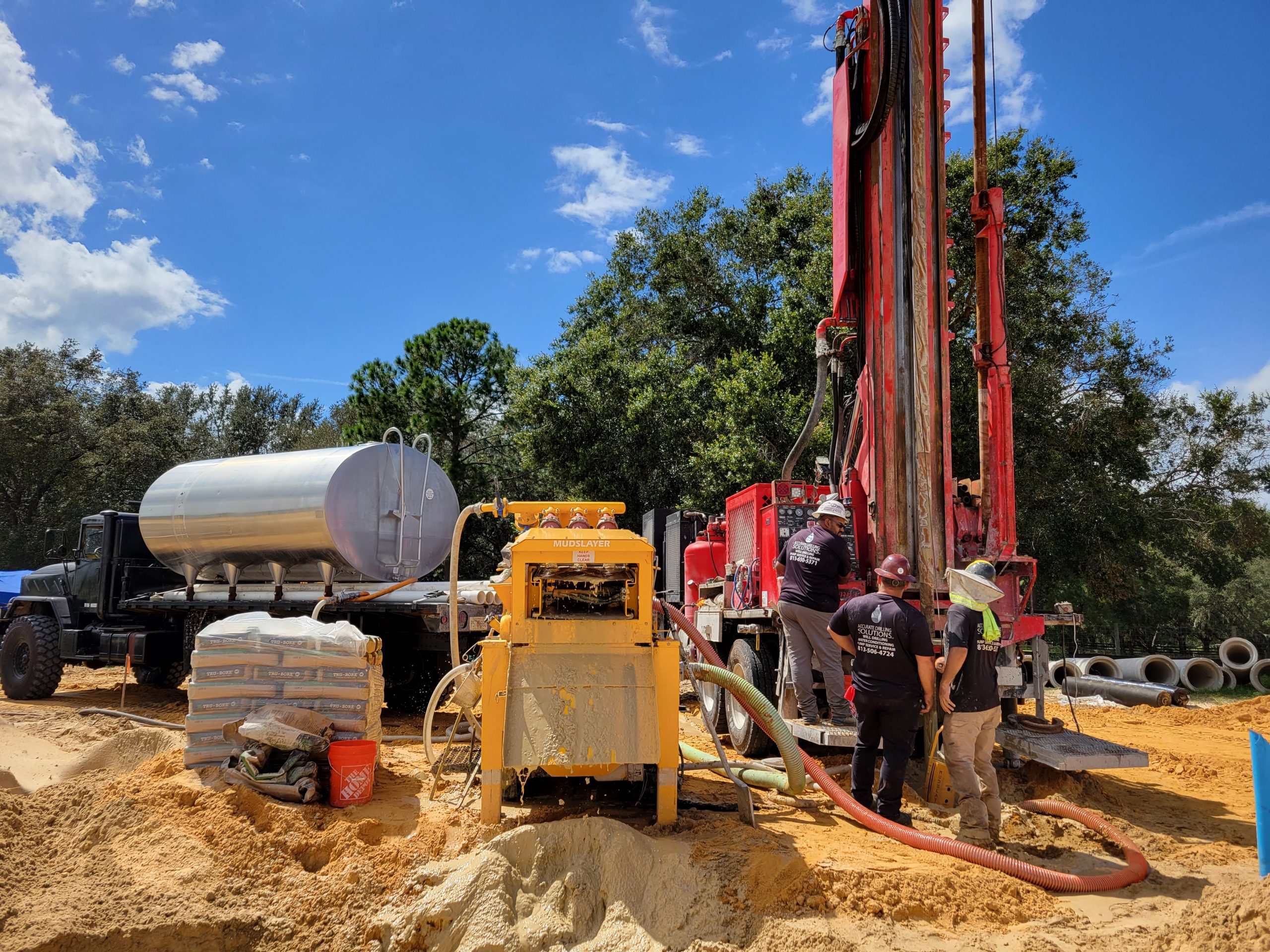
If your geothermal system in Largo is showing signs of reduced performance, the supply well may be the source of the problem. This article covers the key symptoms of well yield decline, limestone aquifer scaling, and reduced system efficiency — and what to do about them.
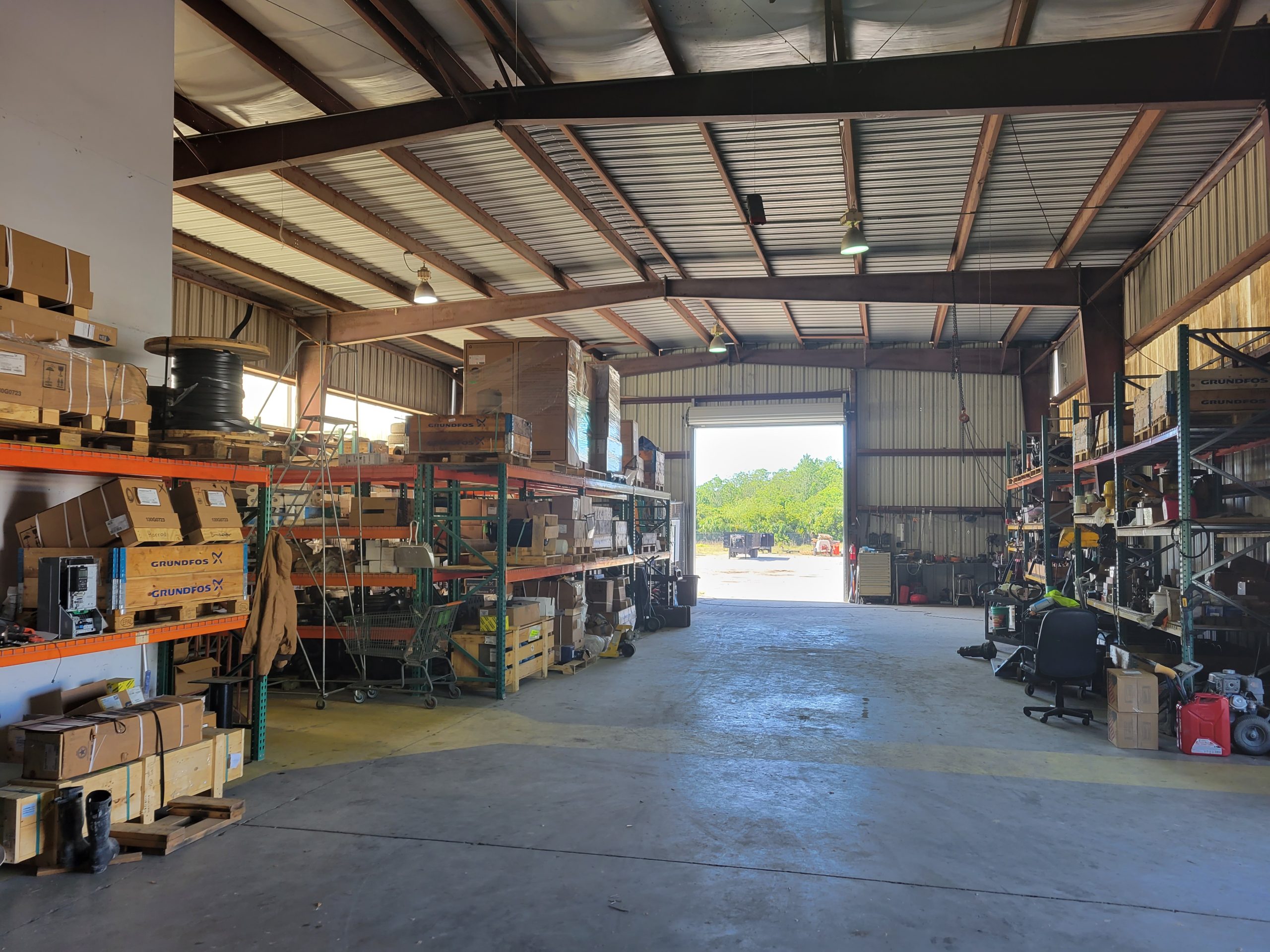
Selecting the right well pump system in Zephyrhills involves more than picking a pump off a shelf. This guide walks Pasco County property owners through submersible vs. jet pump comparisons, Florida-specific sizing factors, and why professional installation is the only responsible path forward.

Largo's coastal position, shallow Floridan Aquifer access, and aging residential well infrastructure create specific stress patterns on well pump systems. Understanding these local conditions helps homeowners protect their equipment before problems develop. Learn what makes Largo different — and what to do about it.