
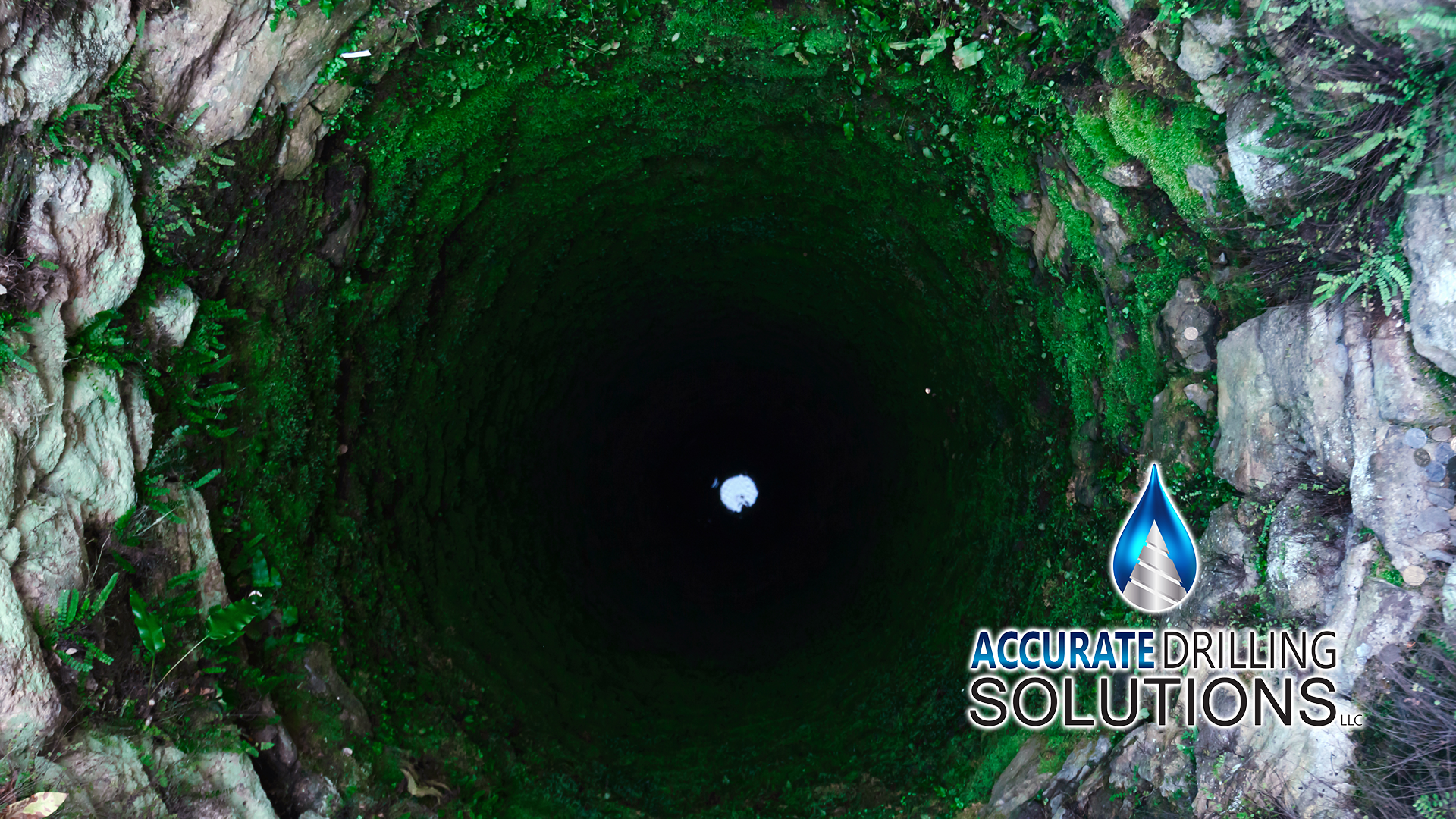
Residential water wells are an awesome investment in your property. They reduce your reliance on public lines and save you money. But what actually goes into the anatomy of a private well? Gone are the days of Snow White’s well, with its stone wall and wooden handle that you need to manually crank. Today’s wells are a little more complex, but much safer. Join us as we break down the anatomy of a private water well.
Well Casing
The well casing is probably what most people think of when they say the word “well”. It is the cylindrical structure that the water passes through to get to the surface. It not only keeps the water in, but keeps contaminants out. The length of the casing depends on how far down the water is. Fortunately for most Floridians, we are fairly close to fresh water supplies under the state.
The material of your well casing depends on what sort of ground the well is being dug into. Primarily, well casings are composed of plastic (mostly PVC) , carbon steel, and stainless steel. Steel is more expensive than plastic, but plastic is more vulnerable to heat, a big consideration in Florida. Steel also corrodes, while plastic lasts much longer. Talk with your contractor about which material will work best for you.
Well Cap
The well cap is the part of your well that you can really see. It is the piece that covers the top of the casing, which is aboveground. A strong and well-fitted well cap is essential to the function and safety of your well. If a cap is loose, not fitted properly, or damaged, it is much easier for contaminants to enter your water.
Well caps are usually made of aluminum or a thermoplastic. With no well cap, all sorts of critters will try and enter your water supply. From bacteria to snakes, your well would be open for attack.
To make it easier to identify and access, your well cap will often extend half a foot out of the ground. The easy access is important to any repairs that need to happen.
Screens
Screens are one of the many barriers between contaminants and the water you use in your home. They effectively act as filters between the aquifer your well pulls from and however you use the water.
There are a few different types of screes, but they all have the same job: filter out the bad stuff. The type of filter you need depends on what ground your well is being dug into. Different screens have different sized gaps in them. The finer the debris, the smaller the gap
Pump
The pump is the heart of the well. It is the thing that pulls the water from the underground aquifer into your home. The pipe sits above the screen and takes the filtered water in. It pushes it up through the casing to a distribution pipe, which will take the water throughout your house.
All of your well components are equally important to a functioning and safe well. If you think you might have well problems, reflect on the anatomy of a private water well and call you contractor.
continue reading
Related Posts
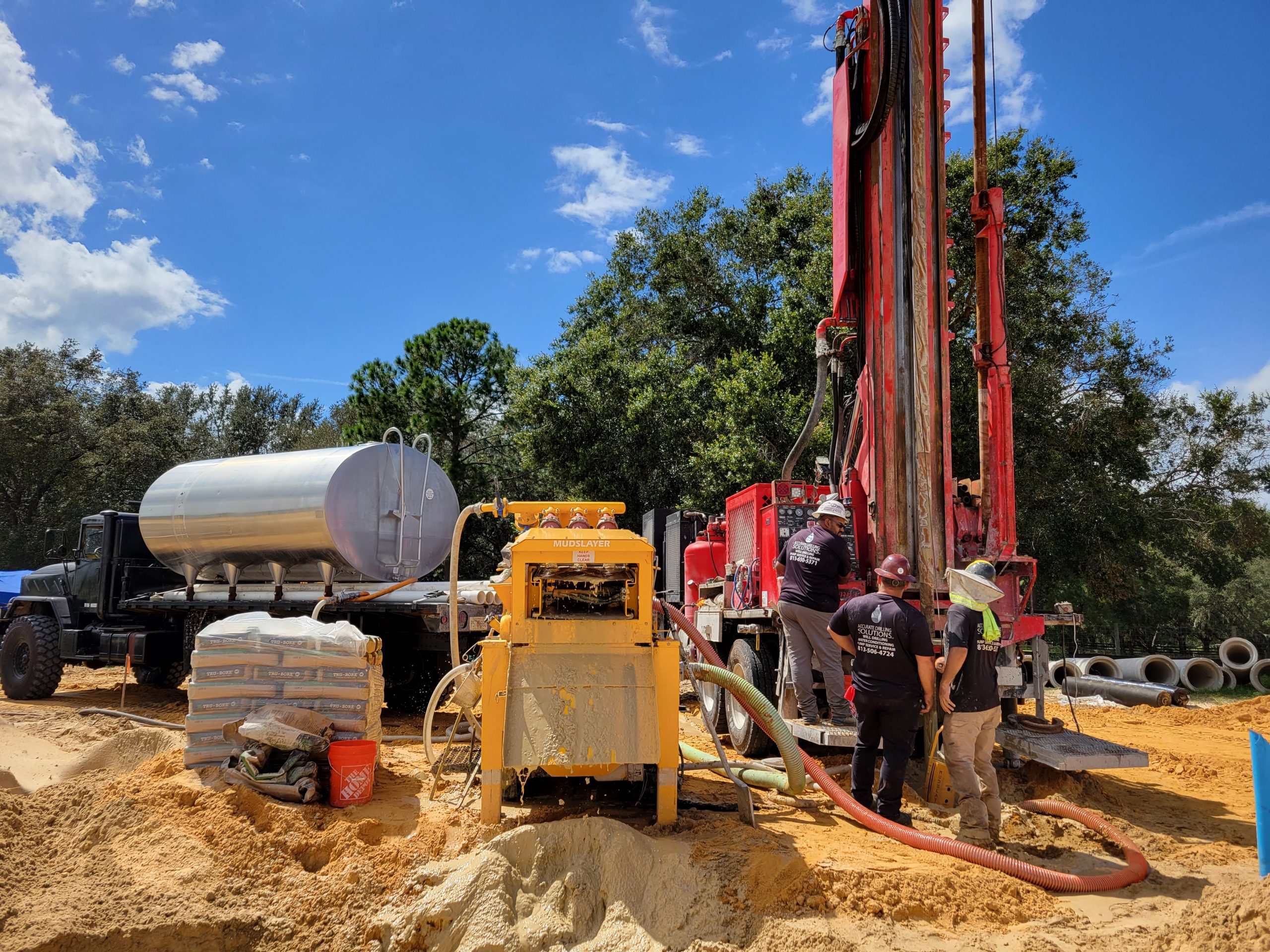
If your geothermal system in Largo is showing signs of reduced performance, the supply well may be the source of the problem. This article covers the key symptoms of well yield decline, limestone aquifer scaling, and reduced system efficiency — and what to do about them.
Selecting the right well pump system in Zephyrhills involves more than picking a pump off a shelf. This guide walks Pasco County property owners through submersible vs. jet pump comparisons, Florida-specific sizing factors, and why professional installation is the only responsible path forward.

Largo's coastal position, shallow Floridan Aquifer access, and aging residential well infrastructure create specific stress patterns on well pump systems. Understanding these local conditions helps homeowners protect their equipment before problems develop. Learn what makes Largo different — and what to do about it.