Wesley Chapel: Understanding Well Water Testing
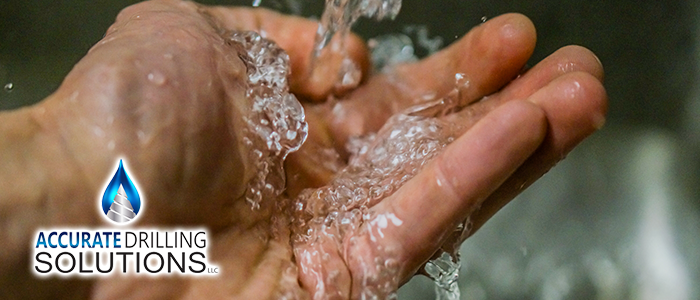
For residents of Wesley Chapel and neighboring Zephyrhills who rely on private wells for their household water, ensuring its safety and quality is a personal responsibility. Unlike municipal water systems, private wells are not routinely monitored by government agencies. Therefore, Understanding Well Water Testing is crucial for safeguarding the health of your family and maintaining the integrity of your water supply. Regular testing provides vital information about the composition of your water, identifying potential contaminants that could pose health risks or cause aesthetic issues.
This guide aims to demystify the process for Wesley Chapel and Zephyrhills well owners, explaining why testing is essential, when it should be done, what parameters to check, how to interpret results, and what steps to take if problems are found.
Why Regular Well Water Testing is Non-Negotiable
The water beneath your property is dynamic; its quality can change over time due to various factors. Seasonal variations, heavy rainfall, drought conditions, nearby land use activities (agriculture, septic systems, industrial operations), or even compromised well structures can introduce contaminants into your water supply. Some contaminants, like certain bacteria or nitrates, are invisible, tasteless, and odorless but can pose significant health risks, particularly to infants, the elderly, and those with compromised immune systems. Other substances might not be harmful but can cause unpleasant tastes, odors, staining, or damage plumbing fixtures and appliances. Understanding Well Water Testing empowers you to identify these issues and take corrective action, ensuring your water is safe and pleasant to use.
Recommended Frequency for Well Water Testing
How often should you test your well water? The general recommendation from health authorities like the Florida Department of Health (FDOH) is to test annually for certain key indicators, primarily total coliform bacteria, E. coli, and nitrates. However, more frequent testing or testing for a broader range of contaminants is advisable under specific circumstances:
- After any flooding event near the wellhead.
- If there’s been a change in land use nearby (e.g., new construction, agricultural activity).
- After plumbing work or well system repairs/modifications.
- If family members experience recurrent gastrointestinal illnesses.
- If you notice any change in water taste, odor, color, or clarity.
- If there’s a new infant in the household (due to nitrate sensitivity).
- Before purchasing a home with a private well.
Proactive, regular testing is the best defense against potential water quality problems.
Key Parameters to Include in Your Water Test
While annual testing often focuses on bacteria and nitrates, a comprehensive understanding of your water quality involves checking several parameters. When Understanding Well Water Testing, consider including these:
- Microbiological Contaminants: Total Coliform and E. coli. Their presence indicates potential fecal contamination and the risk of waterborne diseases.
- Nitrates/Nitrites: Can indicate contamination from fertilizers, septic systems, or animal waste. High levels are particularly risky for infants (methemoglobinemia or “blue baby syndrome”).
- pH: Measures acidity or alkalinity. Low pH (acidic) water can corrode plumbing, while high pH (alkaline) water can lead to scaling.
- Hardness: Caused by calcium and magnesium. Hard water leads to scale buildup and reduces soap effectiveness.
- Total Dissolved Solids (TDS): Measures the total amount of dissolved substances in the water. High TDS can affect taste.
- Iron and Manganese: Cause staining (red/brown or black) and metallic tastes.
- Sulfates: High levels can have a laxative effect and contribute to rotten egg smell (hydrogen sulfide).
- Other Potential Contaminants: Depending on local geology and activities near Wesley Chapel or Zephyrhills, consider testing for arsenic, lead (especially in older homes), pesticides, or volatile organic compounds (VOCs) if contamination is suspected.
Consulting with a certified lab or a professional well service provider like Accurate Drilling Solutions can help determine the most relevant tests for your specific situation.
The Testing Process: Sample Collection and Lab Analysis
Accurate test results depend heavily on proper sample collection. Contact a state-certified laboratory (the FDOH website often lists certified labs in or serving Pasco and Hillsborough counties) to obtain sterile sample bottles and specific instructions for each test parameter. Follow their instructions meticulously – this often involves running cold water for several minutes, using specific taps, not touching the inside of the bottle or cap, and filling bottles completely while leaving appropriate headspace if required. Samples usually need to be refrigerated and delivered to the lab within a specified timeframe (often 24-48 hours). The lab will then perform the analyses using standardized methods and provide a detailed report.
Interpreting Your Well Water Test Results
Your lab report will show the concentration of each tested parameter alongside the Maximum Contaminant Level (MCL) or other health guidelines established by the EPA or state authorities. Understanding Well Water Testing results involves comparing your water’s levels to these standards. For example, the MCL for E. coli is zero – any detection requires immediate action. The MCL for nitrates is 10 milligrams per liter (mg/L). Other parameters might have secondary MCLs related to aesthetics (taste, odor, staining). If any results exceed recommended levels, the report should be discussed with the lab or a water treatment professional to understand the implications and potential solutions. Resources like the EPA’s drinking water information pages offer guidance on contaminants and health effects.
Addressing Water Quality Issues Identified by Testing
If testing reveals problems, don’t panic. Numerous effective water treatment technologies are available. The appropriate solution depends on the specific contaminant(s) identified. For bacterial contamination, options include shock chlorination of the well followed by retesting, or installing a continuous disinfection system like an Ultraviolet (UV) light sterilizer. High nitrates might require a reverse osmosis (RO) system or ion exchange. Hardness is treated with a water softener. Iron, manganese, and sulfur issues can be addressed with specialized filters (e.g., oxidation filters, carbon filters). A water treatment specialist, often working with well service companies like Accurate Drilling Solutions, can analyze your test results and recommend the most suitable and cost-effective treatment system for your Wesley Chapel or Zephyrhills home.
Conclusion: Ensuring Safe Water in Wesley Chapel
For well owners in Wesley Chapel and Zephyrhills, Understanding Well Water Testing is not just informative; it’s fundamental to ensuring health and safety. Annual testing for key parameters, supplemented by additional tests when circumstances warrant, provides the knowledge needed to maintain a safe and reliable water supply. By understanding the process, knowing what to test for, and being prepared to address any issues identified, homeowners can have confidence in the quality of the water flowing from their taps.
If you have concerns about your well water quality or need assistance interpreting test results and exploring treatment options, contact the knowledgeable team at Accurate Drilling Solutions. Visit https://accurate4.com to learn more about their services.
continue reading
Related Posts
If your geothermal system in Largo is showing signs of reduced performance, the supply well may be the source of the problem. This article covers the key symptoms of well yield decline, limestone aquifer scaling, and reduced system efficiency — and what to do about them.
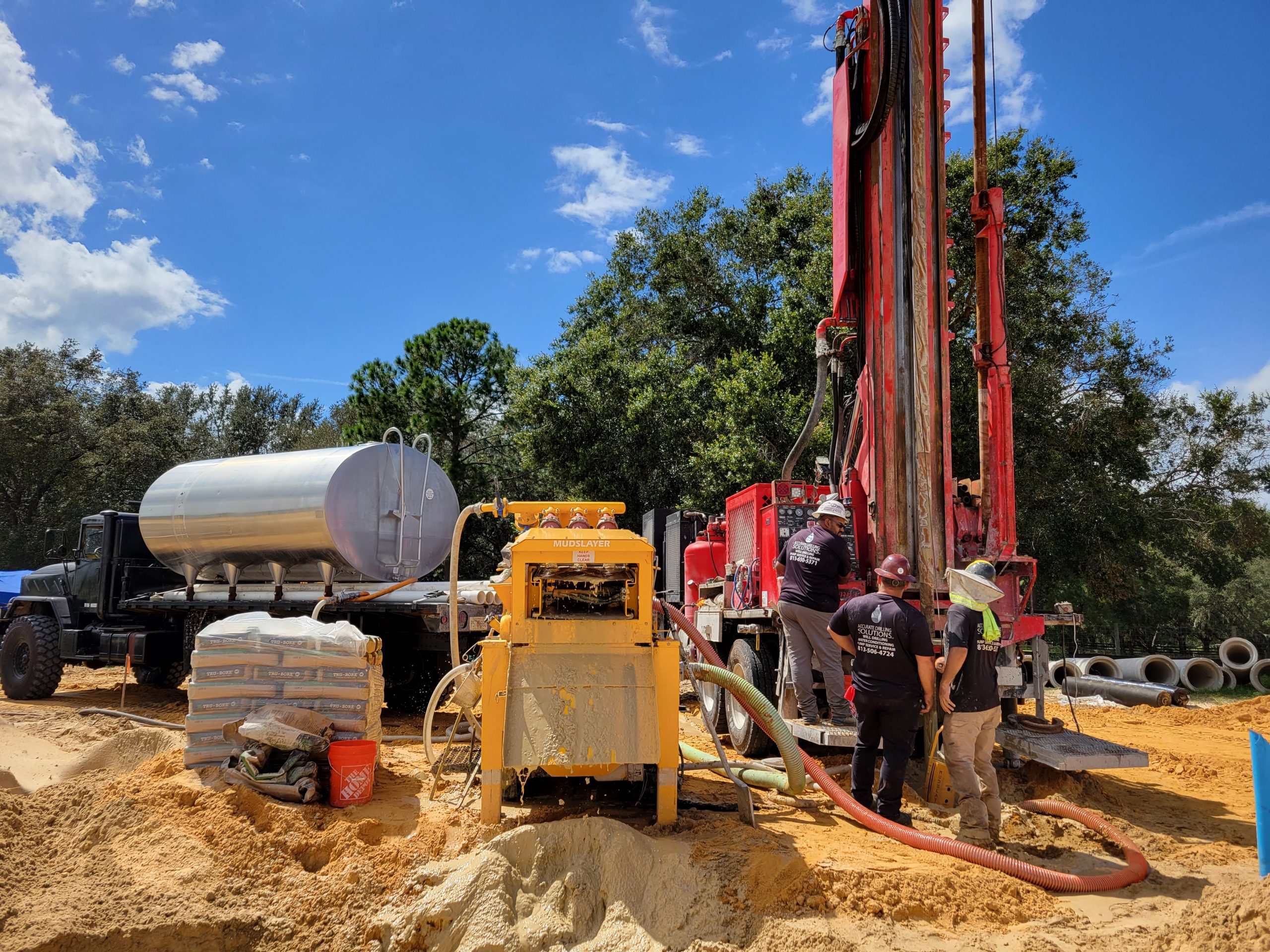
Selecting the right well pump system in Zephyrhills involves more than picking a pump off a shelf. This guide walks Pasco County property owners through submersible vs. jet pump comparisons, Florida-specific sizing factors, and why professional installation is the only responsible path forward.

Largo's coastal position, shallow Floridan Aquifer access, and aging residential well infrastructure create specific stress patterns on well pump systems. Understanding these local conditions helps homeowners protect their equipment before problems develop. Learn what makes Largo different — and what to do about it.