Well Safety Standards for Venice Property Owners
For property owners in Venice and North Port relying on private water wells, ensuring the safety of that water source is paramount. Unlike municipal water, private wells are not subject to the same rigorous, mandated testing and oversight. This places the responsibility for maintaining a safe system directly on the owner. Adhering to established **Well Safety Standards for Venice Property Owners** is crucial for protecting health, maintaining property value, and preventing contamination of the shared groundwater resource.
Understanding the Importance of Well Safety
A private well taps directly into groundwater, making it potentially vulnerable to contamination from the surface or subsurface sources if not properly constructed, maintained, and protected. Contaminants can include bacteria, viruses, nitrates, pesticides, volatile organic compounds (VOCs), and heavy metals. Some contaminants pose immediate health risks, particularly to vulnerable populations like infants, the elderly, and those with compromised immune systems. Others can cause chronic health issues over long-term exposure.
Beyond health concerns, safety includes the physical and electrical integrity of the well system components. Improperly secured wellheads, faulty wiring, or structural failures can lead to accidents or system malfunctions. Maintaining high safety standards ensures a reliable supply of water that is safe to drink and use, protecting both people and the environment in areas like Venice and North Port.
Key Well Construction and Location Standards
Safety starts with proper well construction and siting, typically governed by state and local regulations. While homeowners might inherit existing wells, understanding these principles is important for assessing potential risks:
- Proper Location and Setbacks: Wells must be located a minimum safe distance from potential sources of contamination. Florida regulations specify setbacks from septic tanks, drain fields, animal feedlots, chemical storage areas, and surface water bodies. Check with the Sarasota County Health Department or the Florida Department of Health (floridahealth.gov) for specific requirements applicable to the Venice area.
- Secure Well Cap and Seal: The top of the well casing must be fitted with a tight, vermin-proof well cap extending at least 12 inches above the ground surface. This prevents insects, rodents, debris, and surface water runoff from entering the well. The annular space (the gap between the borehole and the well casing) must be properly grouted (sealed) during construction to prevent contaminated surface water from migrating down along the outside of the casing.
- Sound Casing: The well casing (the pipe lining the borehole) must be watertight and structurally sound from the surface down to a point below the water table, often terminating in an impermeable layer if possible, to prevent shallow groundwater or surface water intrusion.
- Proper Drainage: The ground surface around the wellhead should be sloped away from the casing to divert rainwater and runoff. Avoid pooling water near the well.
Essential Maintenance for Well Safety
Ongoing maintenance is critical for upholding **Well Safety Standards for Venice Property Owners**. Regular checks and preventative actions include:
Annual Inspections: Visually inspect the wellhead area regularly. Check the well cap for tightness and damage. Look for cracks or corrosion on the visible portion of the casing. Ensure the ground slope is maintained. Have a professional conduct a more thorough annual inspection of the pump, wiring, and pressure tank.
Water Quality Testing: This is perhaps the most crucial safety standard. Test your well water annually for bacteria (total coliform and E. coli) and nitrates. Consider testing every 3-5 years for other common local concerns like pH, total dissolved solids (TDS), arsenic, lead, or pesticides, depending on your location and surroundings. Test immediately if you notice changes in taste, odor, or appearance, or after flooding events near the well.
Protect the Well Zone: Keep potential contaminants away from the well. Avoid mixing or applying pesticides, fertilizers, or other chemicals near the wellhead. Ensure septic systems are properly maintained and functioning correctly. Prevent livestock from accessing the immediate well area.
Electrical Safety: Inspect visible wiring for fraying or damage. Ensure the control box and disconnect switch are properly grounded and protected from the elements. Only qualified technicians should perform electrical work on the pump system.
Understanding Water Test Results
Receiving water test results can be confusing. Key safety indicators include:
Total Coliform Bacteria: Their presence suggests a potential pathway for contamination into the well (e.g., faulty cap, casing breach). While not necessarily harmful themselves, they indicate that disease-causing organisms *could* enter. Corrective action (like disinfection and system inspection/repair) is needed.
E. coli Bacteria: This indicates recent fecal contamination (from human or animal waste) and poses a significant health risk. The water should NOT be consumed until the source is found, eliminated, and the well is properly disinfected and retested clear. Boiling water may make it safe temporarily.
Nitrates: Levels above the EPA standard of 10 mg/L (milligrams per liter) are a health risk, especially for infants (methemoglobinemia or “blue baby syndrome”). Sources include fertilizers and septic leachate.
Consult with your local health department or a water treatment professional like Accurate Drilling Solutions to understand test results and determine appropriate actions, which might range from well disinfection (shock chlorination) to installing treatment systems (like UV light for bacteria or reverse osmosis for nitrates).
Well Abandonment: A Critical Safety Standard
Old, unused wells that are not properly sealed pose a significant threat to groundwater safety. They can act as direct conduits for surface contaminants to reach the aquifer, potentially polluting nearby active wells and the shared groundwater resource. Florida has specific regulations for abandoning wells.
If you have an unused well on your Venice or North Port property, it must be properly decommissioned by a licensed water well contractor. The process typically involves removing obstructions, filling the well bore with approved sealing material (like cement grout or bentonite clay), and capping it securely. Proper abandonment protects the aquifer for everyone. The EPA provides general guidance on well closure (epa.gov/privatewells).
Responding to Flooding and Emergencies
Coastal areas like Venice are susceptible to flooding from heavy rains or storm surges. If floodwaters submerge your wellhead, assume the well is contaminated. Do not use the water for drinking or cooking until the floodwaters recede, the well system is inspected for damage, thoroughly disinfected (shock chlorinated), and subsequent water tests confirm it is free of bacteria.
Have an emergency supply of bottled water on hand for such events. Know how to safely shut off power to your well pump before a storm hits if flooding is anticipated.
Conclusion: Your Responsibility as a Well Owner
Adhering to **Well Safety Standards for Venice Property Owners** is a fundamental responsibility. By ensuring proper well location and construction, performing regular maintenance and water testing, protecting the well zone from contaminants, addressing electrical safety, and properly abandoning unused wells, you safeguard the health of your household and help protect the vital groundwater resources shared by the Venice and North Port communities.
Don’t compromise on safety. If you have questions about your well’s condition, need professional water testing, maintenance, repairs, or well abandonment services, consult experienced professionals. Visit Accurate Drilling Solutions for reliable well services dedicated to safety and compliance.
continue reading
Related Posts
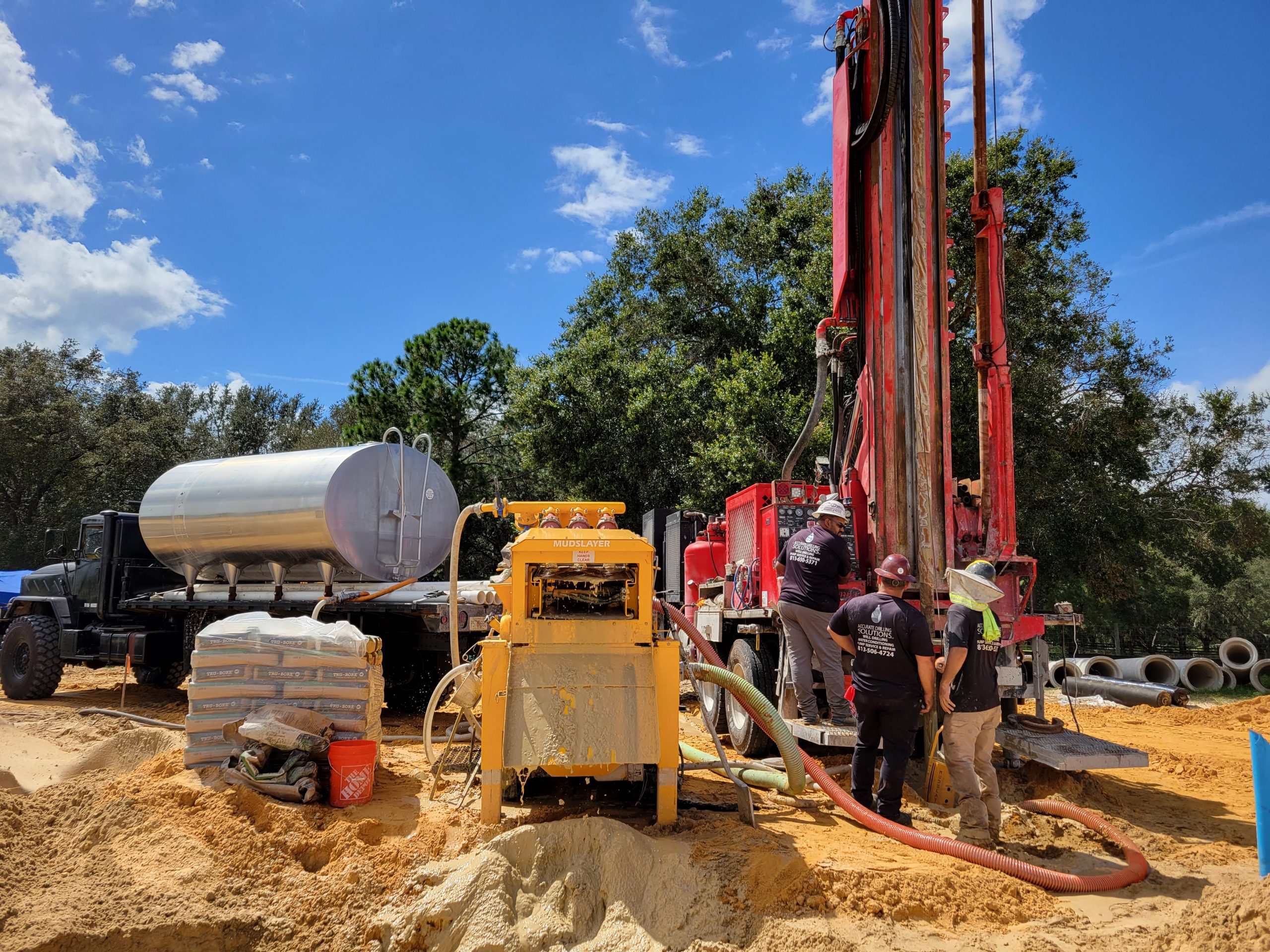
If your geothermal system in Largo is showing signs of reduced performance, the supply well may be the source of the problem. This article covers the key symptoms of well yield decline, limestone aquifer scaling, and reduced system efficiency — and what to do about them.
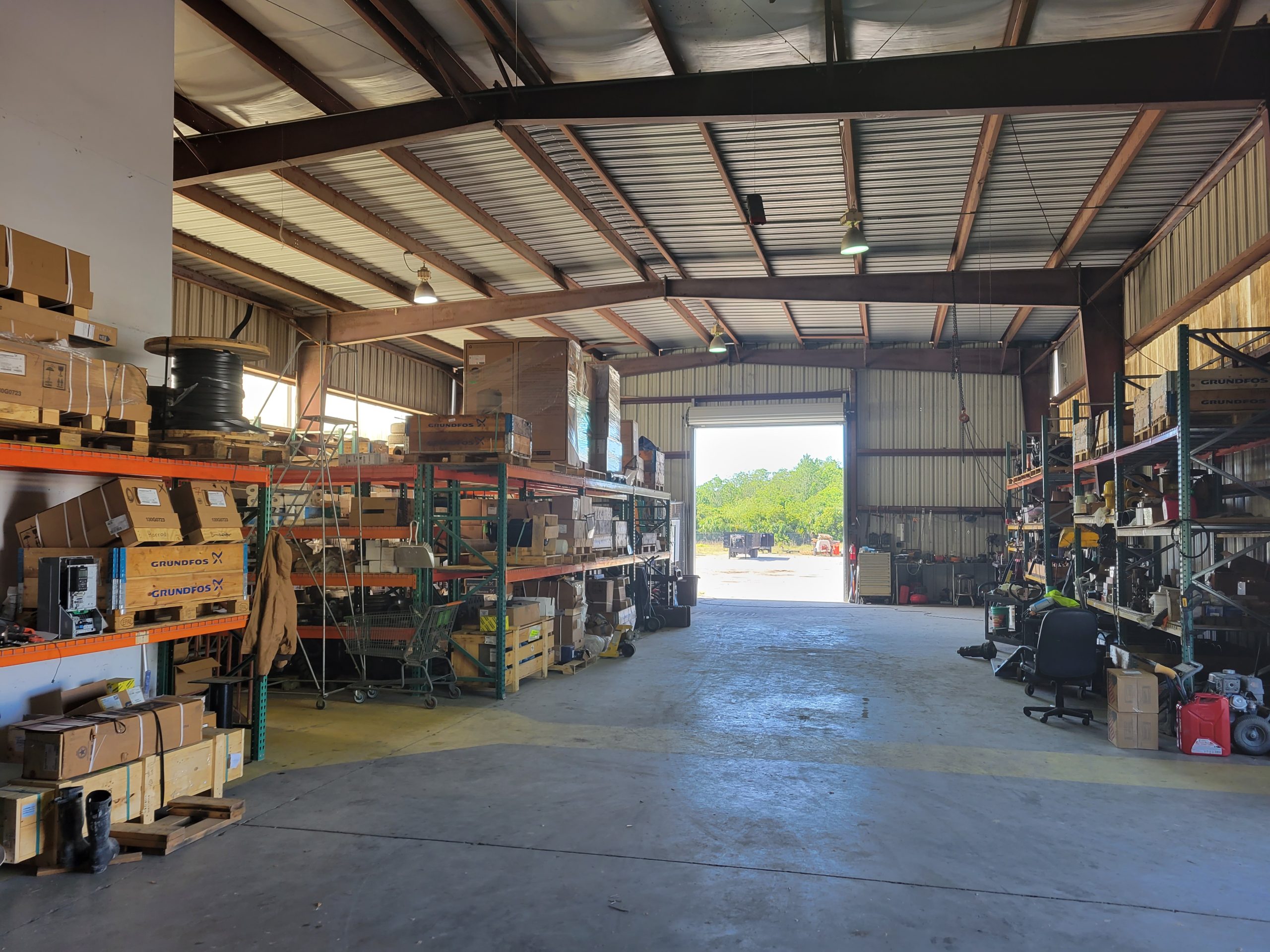
Selecting the right well pump system in Zephyrhills involves more than picking a pump off a shelf. This guide walks Pasco County property owners through submersible vs. jet pump comparisons, Florida-specific sizing factors, and why professional installation is the only responsible path forward.

Largo's coastal position, shallow Floridan Aquifer access, and aging residential well infrastructure create specific stress patterns on well pump systems. Understanding these local conditions helps homeowners protect their equipment before problems develop. Learn what makes Largo different — and what to do about it.