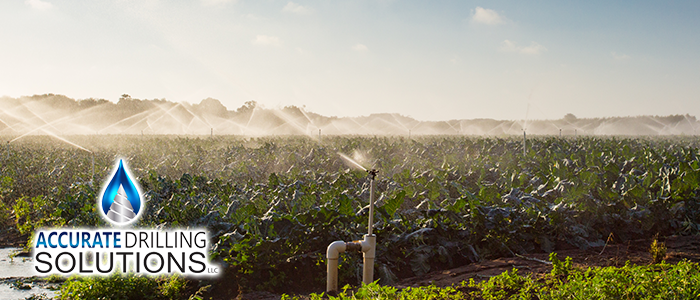
Plant City Agricultural Well Systems: A Complete Guide
Agriculture is a cornerstone of the Plant City and Lakeland economy, relying heavily on dependable water sources for irrigation and livestock. Agricultural wells have unique demands compared to residential systems, requiring robust design, high capacity, and specialized maintenance. This guide provides comprehensive information on **Plant City Agricultural Well Systems: A Complete Guide** for farmers and agricultural property managers aiming for efficiency and reliability.
Unique Demands of Agricultural Wells
Unlike typical home wells supplying a few hundred gallons per day, agricultural wells often need to deliver thousands, or even tens of thousands, of gallons daily, particularly during peak irrigation seasons. This high demand dictates differences in several key areas:
Well Diameter and Depth: Agricultural wells are often drilled with larger diameters (e.g., 6-inch, 8-inch, or even larger) to accommodate higher-capacity pumps and allow for greater water flow. They may also need to be drilled deeper to tap into more productive aquifer zones capable of sustaining high withdrawal rates without excessive drawdown.
Pump Selection: Pumps for agricultural use must be powerful and durable. Submersible turbine pumps or lineshaft turbine pumps are common choices, designed for high flow rates (Gallons Per Minute – GPM) and potentially high head (pressure required to lift water and operate irrigation systems). Pump selection must carefully match the well’s yield characteristics and the irrigation system’s requirements (pressure and flow).
Power Source: Due to the high power requirements of large pumps, three-phase electrical power is often preferred or necessary. In remote fields, diesel engines or generators might be used to power pumps.
Water Quality Considerations: While potability might not be the primary concern for irrigation, water quality still matters. High levels of minerals (causing hardness or scale), iron, manganese, or salts can damage irrigation equipment (clogging emitters, corroding pipes) or negatively impact crop health. Testing is crucial.
Drilling and Construction Considerations
Constructing a reliable agricultural well involves careful planning and execution. The process typically includes:
Site Selection: Choosing a location that maximizes yield potential while minimizing interference with other wells and complying with setback requirements from potential contamination sources (e.g., chemical storage, feedlots).
Permitting: Obtaining necessary permits from regulatory bodies like the Southwest Florida Water Management District (SWFWMD) is essential. Permitting often involves demonstrating reasonable water need and ensuring the withdrawal won’t adversely affect the aquifer or nearby users. SWFWMD (swfwmd.state.fl.us) provides resources on water use permits.
Drilling Method: Depending on the geology around Plant City and Lakeland (often sand, clay, and limestone layers), methods like mud rotary or air rotary drilling are used. Experienced drillers like Accurate Drilling Solutions select the appropriate technique.
Well Design: This involves specifying the casing diameter and material (PVC or steel), screen type and slot size (critical for preventing sand entry while allowing water flow), gravel pack (if needed), and grouting (sealing the space around the casing to prevent surface water contamination).
Well Development: After drilling, the well is vigorously pumped (and sometimes surged or jetted) to remove drilling fluids, fine sediment, and stabilize the formation around the screen, maximizing efficiency and water clarity.
Pump Testing: A crucial step to determine the well’s sustainable yield (how much water can be pumped continuously without excessive drawdown) and to gather data for proper pump sizing.
Pump Systems and Controls for Agriculture
The pump system is the heart of the agricultural water supply. Key components include:
- Pump Type: As mentioned, submersible or lineshaft turbines are common. Submersibles have the motor and pump unit downhole, while lineshaft turbines have the motor at the surface connected via a long shaft.
- Drop Pipe: Connects the pump to the surface discharge plumbing. Material selection (PVC, galvanized steel, stainless steel) depends on water quality and depth.
- Control Panel: Houses the electrical starters, breakers, and potentially advanced controls like Variable Frequency Drives (VFDs).
- Variable Frequency Drives (VFDs): Increasingly popular in agriculture, VFDs adjust the pump motor speed to precisely match water demand. This offers significant energy savings (especially under varying loads), provides soft starting (reducing electrical and mechanical stress), and allows for constant pressure regulation, which is beneficial for many irrigation systems.
- Check Valves: Prevent backflow when the pump shuts off, keeping the system primed and protecting the pump from water hammer.
- Flow Meter: Essential for monitoring water usage, required for permitted wells, and useful for tracking system efficiency and detecting leaks.
Maintenance: The Key to Longevity and Efficiency
Given the high usage and critical nature of agricultural wells, regular maintenance is not optional—it’s essential for preventing costly downtime during crucial growing periods. A proactive maintenance schedule should include:
Regular Performance Monitoring: Keep logs of water levels (if possible), pumping rates (flow meter readings), pressure, and energy consumption. Deviations from baseline performance can indicate developing problems like pump wear, screen clogging, or declining water levels.
Annual Inspections: Have a qualified professional inspect the pump, motor, electrical controls, wiring, wellhead security, and visible plumbing. Electrical checks (voltage, amperage draw) can reveal motor issues before failure.
Water Quality Testing: Periodically test water quality, focusing on parameters that affect irrigation equipment (hardness, iron, chlorides, TDS) or crop sensitivity.
Well Cleaning/Rehabilitation: Over time, well screens can become clogged with mineral scale (incrustation) or biological growth (biofouling), reducing yield. Periodic cleaning using chemical treatments or mechanical methods may be necessary. Video inspections can help diagnose the need for and effectiveness of cleaning.
Preventative Maintenance Agreements: Many farmers in the Plant City area opt for service agreements with companies like Accurate Drilling Solutions to ensure timely inspections and maintenance are performed consistently.
Troubleshooting Common Agricultural Well Problems
Farmers may encounter specific issues:
Reduced Flow/Pressure: Could be pump wear, screen clogging, leaks in the irrigation system, low water levels in the aquifer, or incorrect VFD settings.
Sand Pumping: Indicates screen damage, incorrect screen slot size, over-pumping, or issues with the gravel pack. Sand can severely damage pumps and irrigation emitters.
Pump Cycling On/Off (if using pressure tanks): Less common in large irrigation setups but can occur in smaller systems or those supplying barns; usually indicates pressure tank or pressure switch issues.
High Energy Consumption: Often points to pump inefficiency (wear), partially clogged screens forcing the pump to work harder, or incorrect VFD parameters.
Water Conservation and Best Practices
Efficient water use is crucial for both sustainability and profitability. Implementing best management practices (BMPs) for irrigation, such as using soil moisture sensors, scheduling irrigation based on crop needs and weather data (evapotranspiration rates), maintaining irrigation systems to prevent leaks and ensure uniform distribution, and considering drought-tolerant crop varieties, helps conserve water resources. Resources like the University of Florida IFAS Extension (ifas.ufl.edu) offer valuable information on agricultural BMPs.
Conclusion: Ensuring Reliable Water for Plant City Agriculture
This exploration of **Plant City Agricultural Well Systems: A Complete Guide** underscores the complexity and importance of these systems for local agriculture in Plant City and Lakeland. Proper design, professional installation, advanced controls like VFDs, diligent maintenance, and water conservation practices are all vital components of a successful agricultural water strategy.
Investing in high-quality well construction and ongoing professional maintenance protects your agricultural operation from water-related disruptions. For expert agricultural well drilling, pump system installation, VFD integration, maintenance, and repair services, rely on experienced providers. Visit Accurate Drilling Solutions to discuss how they can support your farm’s water needs.
continue reading
Related Posts
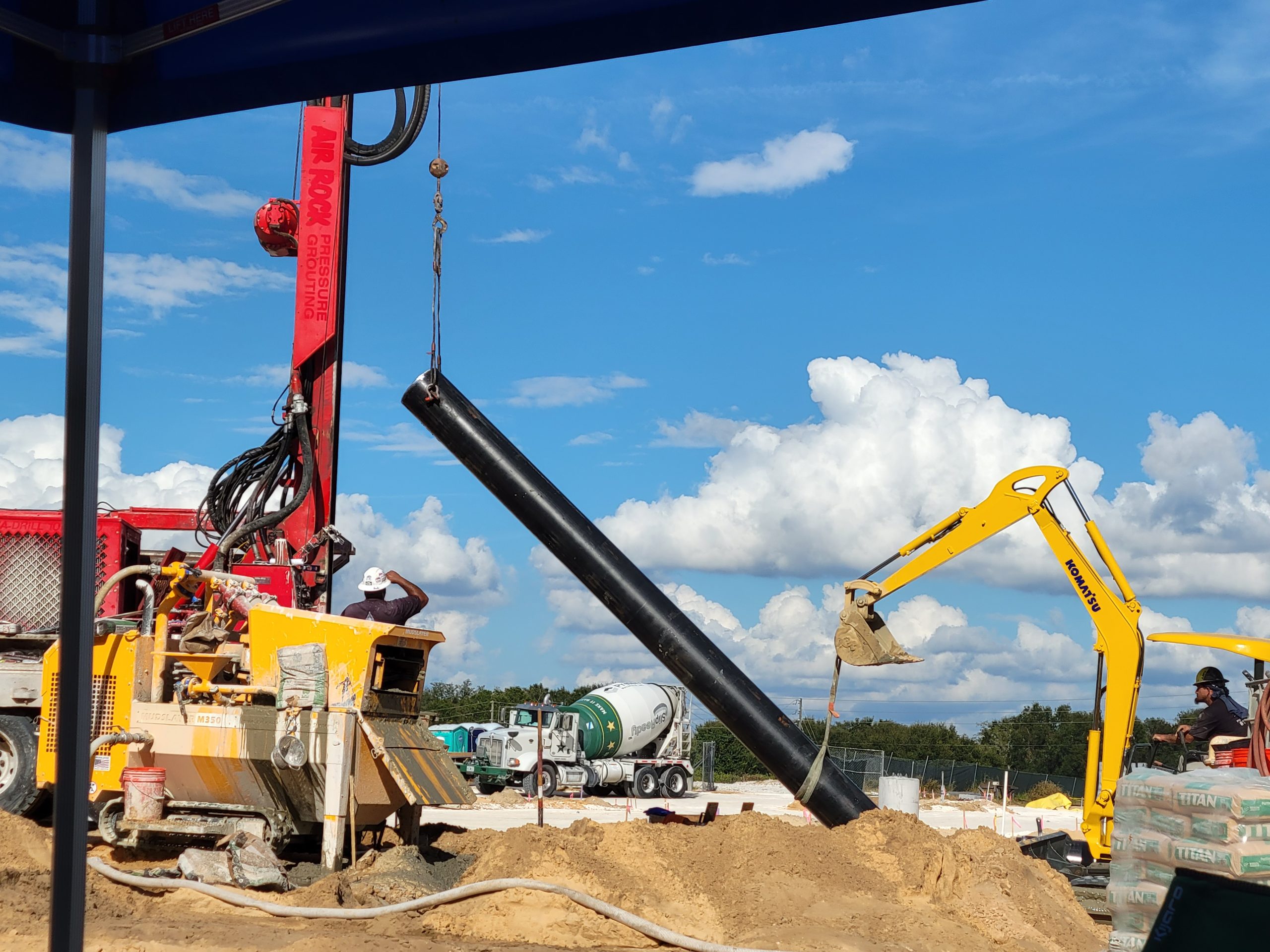
With hurricane season ending and winter rains approaching, fall is the critical window for Largo property owners to properly decommission abandoned wells before surface contaminants reach the Floridan aquifer. Learn what proper well abandonment involves, why Florida regulations require it, and why waiting carries real risk.
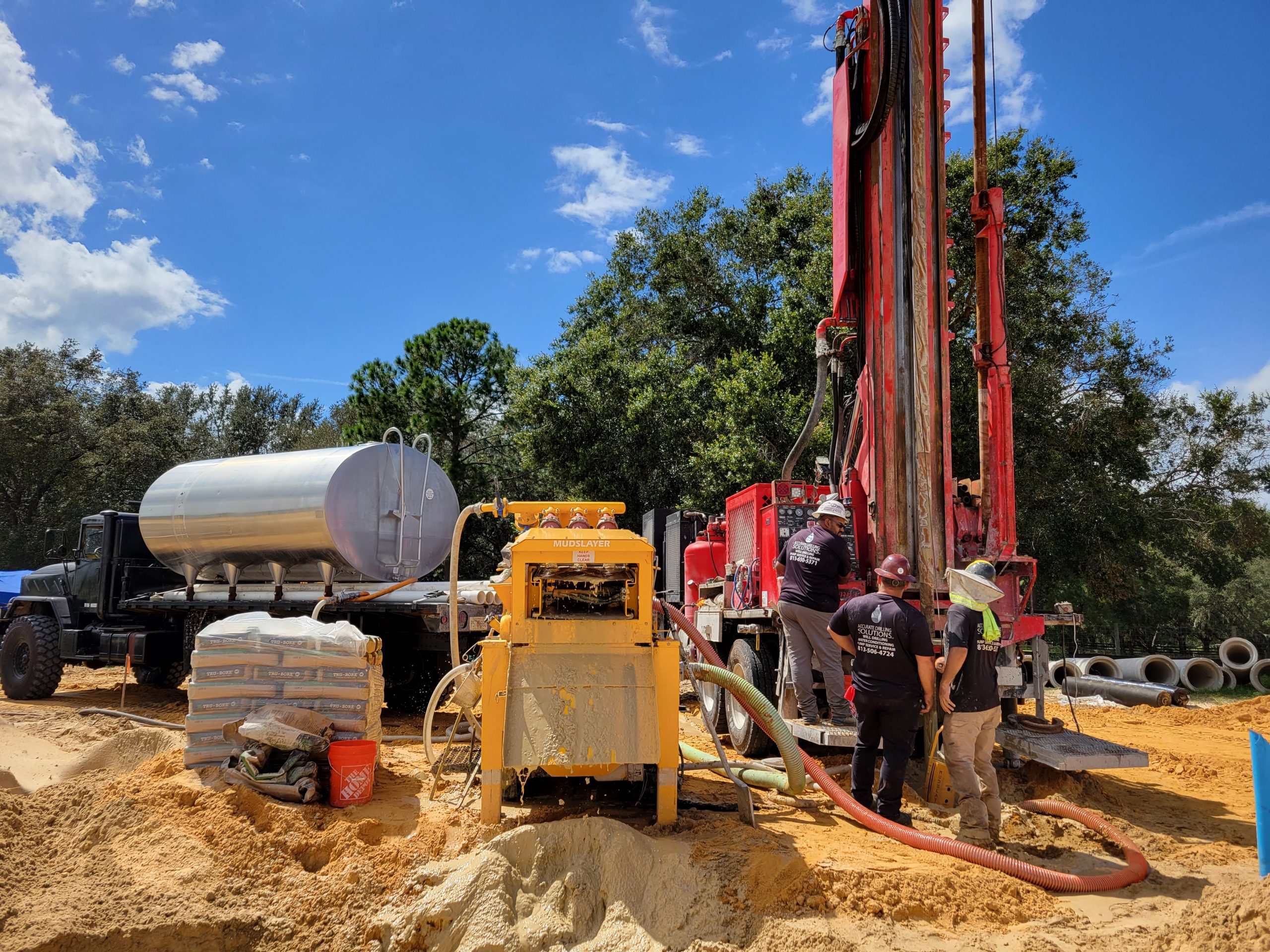
If your geothermal system in Largo is showing signs of reduced performance, the supply well may be the source of the problem. This article covers the key symptoms of well yield decline, limestone aquifer scaling, and reduced system efficiency — and what to do about them.
Selecting the right well pump system in Zephyrhills involves more than picking a pump off a shelf. This guide walks Pasco County property owners through submersible vs. jet pump comparisons, Florida-specific sizing factors, and why professional installation is the only responsible path forward.