Brooksville Well Water Quality: What You Need to Know
For residents and property owners in Brooksville and Spring Hill relying on private wells, understanding and maintaining water quality is not just a matter of preference—it’s essential for health and home maintenance. Unlike municipal water systems, private well water isn’t routinely tested or treated by a central authority. The responsibility falls squarely on the well owner. This guide covers Brooksville Well Water Quality: What You Need to Know to ensure your water is safe and suitable for use.
Understanding Your Water Source in Hernando County
The primary source of groundwater for most wells in the Brooksville area is the Floridan Aquifer System, a vast underground reservoir. While generally providing abundant water, the quality can vary based on depth, location, geology, and nearby land uses. Water percolating through limestone formations, common in this part of Florida, can pick up minerals like calcium and magnesium, leading to “hard water.”
Surface activities can also impact groundwater quality. Agricultural runoff (pesticides, herbicides, nitrates from fertilizers), septic systems, industrial discharges, and even natural factors like sinkholes can potentially introduce contaminants into the aquifer system tapped by private wells. Therefore, assuming your well water is pristine simply because it comes from underground is unwise. Regular testing is the only way to be certain about what’s in your water.
Common Water Quality Issues in the Brooksville Area
While specific issues vary, some common water quality concerns Brooksville and Spring Hill well owners might encounter include:
- Hardness: Caused by dissolved calcium and magnesium. Hard water isn’t typically a health risk but can cause scale buildup in pipes and appliances (water heaters, dishwashers), reduce soap effectiveness, and leave spots on dishes.
- Iron and Manganese: These naturally occurring metals can cause reddish-brown (iron) or black (manganese) staining on fixtures and laundry, impart metallic tastes, and promote the growth of iron bacteria (leading to slimy buildups).
- Hydrogen Sulfide: This gas produces a distinct “rotten egg” smell, often noticeable from hot water taps. It can be caused by naturally occurring sulfate-reducing bacteria. While usually not harmful at typical well water concentrations, it’s unpleasant.
- Bacteria (Coliform, E. coli): The presence of Coliform bacteria indicates potential contamination pathways exist (e.g., faulty well cap, casing cracks, nearby septic issues). While most Coliform are harmless, their presence suggests harmful bacteria like E. coli *could* also enter the system. E. coli presence is a serious health concern indicating fecal contamination.
- Nitrates: Often associated with agricultural runoff or septic system leachate. High nitrate levels are particularly risky for infants (can cause “blue baby syndrome”) and pregnant women.
- Tannins: Derived from decaying vegetation, tannins can give water a yellowish or brownish tint and a slightly earthy taste or odor. More common in shallower wells or areas with lots of organic matter.
Knowing these potential issues helps focus testing efforts and understand potential treatment needs.
The Critical Role of Water Testing
Since many contaminants are tasteless, odorless, and invisible, regular water testing is non-negotiable for well owners. The Florida Department of Health (floridahealth.gov) recommends private well owners test their water annually for total coliform bacteria and nitrates. It’s also wise to test for other parameters like pH, iron, manganese, hardness, and lead, especially if you notice any changes in taste, odor, or appearance, or if there are known issues in your vicinity.
Consider testing more frequently or for a broader range of contaminants if:
* Your well is shallow or located near potential contamination sources (agriculture, septic tanks, industrial sites).
* You experience recurrent gastrointestinal illness in the household.
* You notice staining, unusual tastes/odors, or cloudy water.
* Your well system has recently been repaired or serviced.
* You are expecting a baby or have an infant in the house (test for nitrates specifically).
Always use a state-certified laboratory for testing. Professional well service companies like Accurate Drilling Solutions can assist with proper sample collection and interpretation of results, ensuring accuracy and guiding appropriate action.
Brooksville Well Water Quality: Treatment Options
If testing reveals water quality issues, various treatment technologies are available. The right solution depends on the specific contaminants present and their concentrations. Common treatment options include:
Water Softeners: Primarily address hardness using ion exchange to remove calcium and magnesium. Effective at preventing scale buildup.
Iron/Manganese Filters: Use oxidizing media (like greensand or manganese dioxide) or chemical injection (chlorine, peroxide) followed by filtration to remove dissolved iron and manganese, preventing staining and metallic tastes.
Activated Carbon Filters: Effective at removing chlorine (if used for disinfection), certain volatile organic compounds (VOCs), and improving taste and odor by adsorbing impurities, including some tannins and hydrogen sulfide.
UV Disinfection Systems: Use ultraviolet light to kill bacteria, viruses, and other microorganisms without adding chemicals. Excellent for addressing bacterial contamination concerns.
Reverse Osmosis (RO) Systems: Force water through a semi-permeable membrane, removing a wide range of dissolved solids, including nitrates, salts, and some metals. Often used as point-of-use systems (e.g., under the sink) for drinking water.
Aeration Systems: Can help remove dissolved gases like hydrogen sulfide and radon by exposing water to air.
Choosing and correctly sizing a water treatment system requires understanding your water chemistry and usage patterns. Consulting with water treatment professionals is highly recommended to ensure effectiveness and avoid unintended consequences.
Maintaining Your Well for Better Water Quality
Beyond testing and treatment, proper well maintenance is fundamental to safeguarding water quality. Ensure the well cap is secure and watertight. Keep the area around the wellhead clean and free of debris, chemicals, and potential contaminants. Ensure the ground slopes away from the well to prevent surface water pooling. Periodically inspect the visible parts of the casing for damage.
Septic systems should be properly maintained and located a safe distance from the well, following local regulations. The Southwest Florida Water Management District (swfwmd.state.fl.us) often provides resources related to water conservation and protection in the region, which indirectly relates to maintaining groundwater quality.
When to Call the Professionals
While annual testing is a starting point, certain situations warrant immediate professional attention. If you experience a sudden change in water quality (color, taste, smell), a significant drop in water pressure, or if testing reveals harmful contaminants like E. coli, contact a qualified well service company like Accurate Drilling Solutions promptly.
Professionals can perform comprehensive system diagnostics, including video inspections if needed, identify the source of the problem (e.g., casing breach, pump issue, surface contamination), and recommend appropriate corrective actions, whether it’s well disinfection (shock chlorination), repairs, or installing/servicing treatment equipment.
Conclusion: Proactive Management for Safe Water
Understanding Brooksville Well Water Quality: What You Need to Know empowers well owners in Brooksville and Spring Hill to take proactive steps towards ensuring a safe and reliable water supply. Regular testing, awareness of potential local issues, appropriate treatment when necessary, and diligent well maintenance are key components of responsible well ownership.
Don’t leave your family’s health or your home’s plumbing to chance. If you have concerns about your well water quality or need professional testing, inspection, or treatment services, reach out to the experienced team at Accurate Drilling Solutions. Protect your water source by visiting Accurate Drilling Solutions for expert assistance.
continue reading
Related Posts
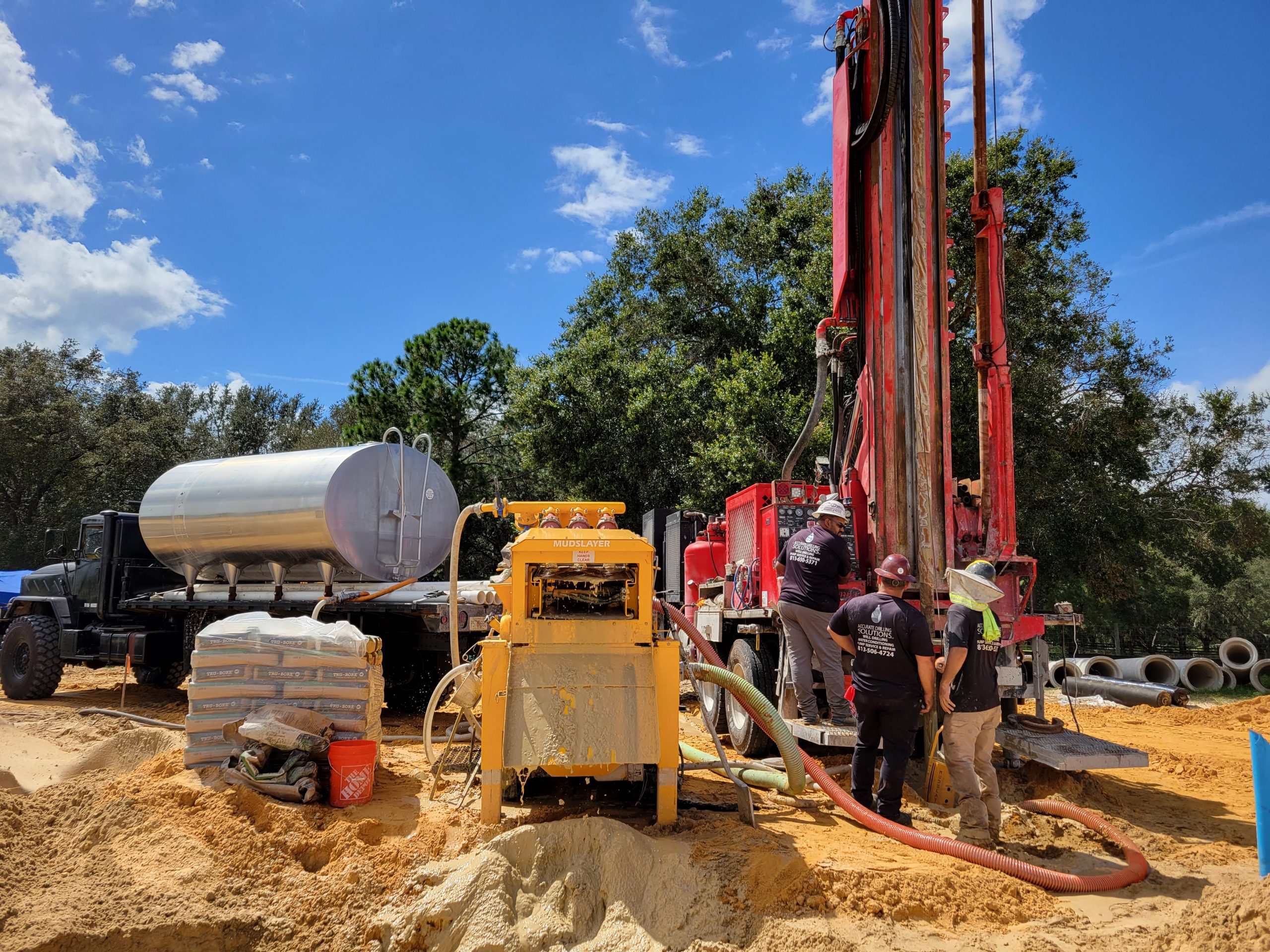
If your geothermal system in Largo is showing signs of reduced performance, the supply well may be the source of the problem. This article covers the key symptoms of well yield decline, limestone aquifer scaling, and reduced system efficiency — and what to do about them.
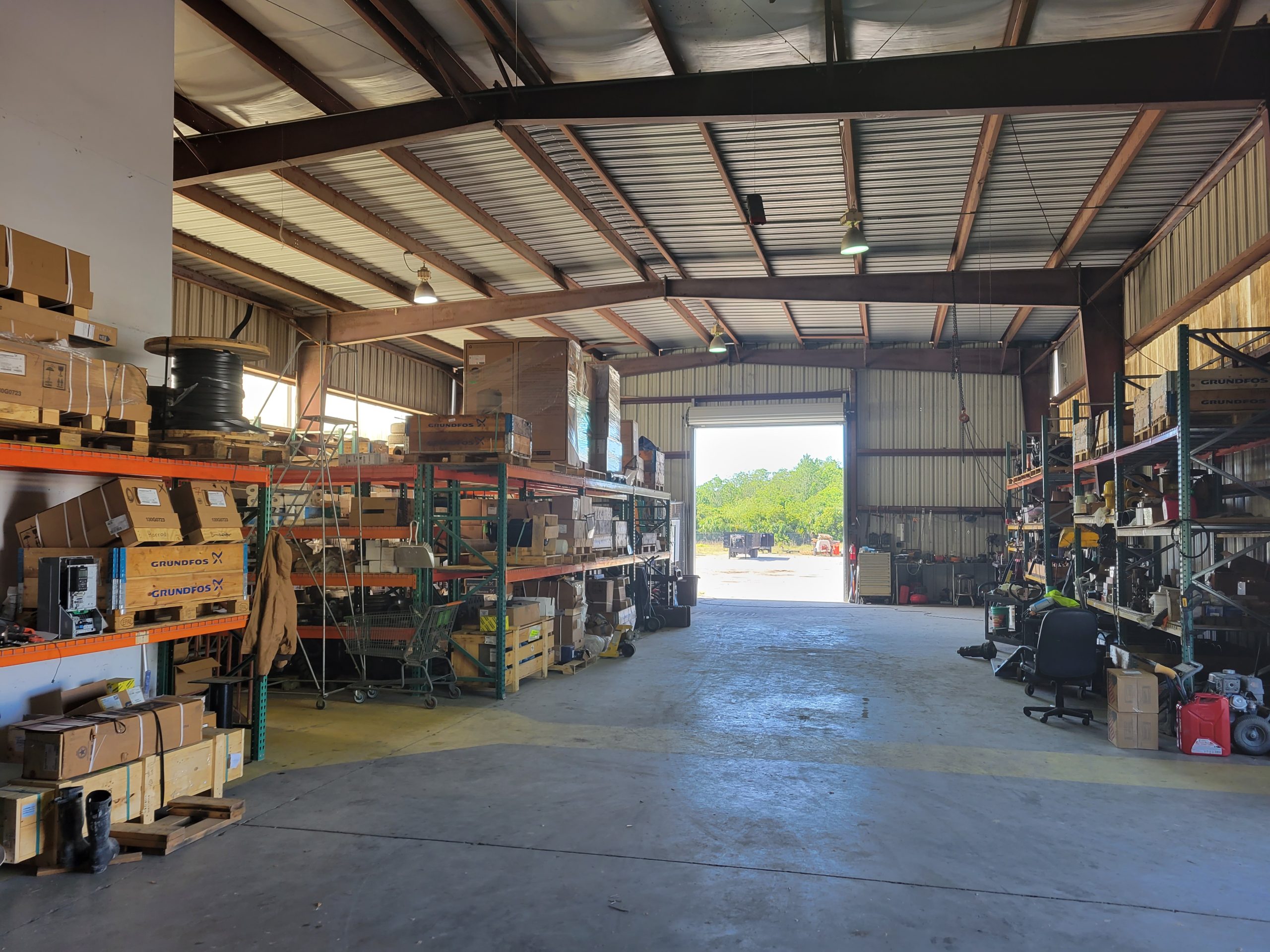
Selecting the right well pump system in Zephyrhills involves more than picking a pump off a shelf. This guide walks Pasco County property owners through submersible vs. jet pump comparisons, Florida-specific sizing factors, and why professional installation is the only responsible path forward.

Largo's coastal position, shallow Floridan Aquifer access, and aging residential well infrastructure create specific stress patterns on well pump systems. Understanding these local conditions helps homeowners protect their equipment before problems develop. Learn what makes Largo different — and what to do about it.