
Pinellas Park Business Owner’s Guide to Pump Systems
For business owners in Pinellas Park and the neighboring St. Petersburg area, pump systems are often essential infrastructure, powering everything from basic plumbing and HVAC systems to complex industrial processes and landscape irrigation. Understanding, selecting, and maintaining the right pump system is crucial for operational efficiency, cost control, and business continuity. This Pinellas Park Business Owner’s Guide to Pump Systems provides practical insights into the types of pumps used commercially, selection criteria, maintenance needs, and troubleshooting common issues.
The Role of Pump Systems in Pinellas Park Businesses
Pump systems perform a wide array of vital functions in commercial settings. In office buildings and retail spaces, they ensure adequate water pressure for restrooms and break areas. Restaurants rely on pumps for dishwashing, ice machines, and beverage dispensers. Hotels need robust systems for guest rooms, laundry facilities, and potentially pools or water features. Manufacturing plants in the Pinellas Park industrial areas might use pumps for moving process fluids, cooling equipment, or managing wastewater. Healthcare facilities have critical needs for reliable water pressure and potentially purified water systems. Even landscaping for commercial properties often depends on irrigation pumps. Understanding the specific role your pump system plays highlights its importance and the need for proper management.
Whether drawing from a private well or boosting pressure from the Pinellas County or St. Petersburg municipal supply, the pump system is often a linchpin of daily operations.
Common Types of Commercial Pump Systems
Businesses utilize various types of pumps depending on the application’s specific requirements for flow rate, pressure, fluid type, and operating conditions.
Centrifugal Pumps are the most common type. They use a rotating impeller to increase fluid velocity, converting this velocity into pressure. Sub-types include end-suction pumps (common for general water service and HVAC), split-case pumps (often used for higher flow applications like fire suppression or large HVAC systems), and vertical turbine pumps (used for deep wells or sumps). Submersible Pumps, typically centrifugal in design, are placed directly within the fluid source (e.g., a well or sump). They are widely used for well water supply, stormwater management, and wastewater lift stations. Booster Pump Systems consist of one or more pumps (often centrifugal) designed specifically to increase the pressure within a water system. They are essential in high-rise buildings, facilities with long pipe runs, or where municipal pressure is insufficient for equipment needs. Positive Displacement Pumps (e.g., gear, lobe, diaphragm pumps) move a fixed amount of fluid with each rotation or stroke. They are typically used for specific industrial applications involving viscous fluids, precise dosing, or high-pressure requirements, rather than general water supply. Choosing the right *type* of pump is the first step in designing an effective system.
Key Factors in Pump System Selection
Selecting the right pump system involves more than just picking a type. Several critical factors must be evaluated to ensure optimal performance and efficiency for your Pinellas Park business.
Flow Rate (GPM/LPM): Determine the required volume of fluid the pump needs to move per unit of time, considering peak demand. Head Pressure (PSI or Feet): Calculate the total resistance the pump must overcome, including vertical lift, friction losses in pipes and fittings, and the pressure required at the point of use. Fluid Characteristics: Consider the type of fluid being pumped (water, wastewater, chemical solution), its temperature, viscosity, and whether it contains solids. Efficiency: Select a pump that operates near its Best Efficiency Point (BEP) for the typical operating conditions. Operating an inefficient pump wastes significant energy. Net Positive Suction Head (NPSH): Ensure the available suction head (NPSHa) exceeds the required suction head (NPSHr) of the pump to prevent cavitation, which damages the pump. Materials of Construction: Choose pump materials compatible with the fluid being pumped and the operating environment to prevent corrosion or wear. Controls: Determine the necessary level of control – simple on/off, pressure regulation, or sophisticated Variable Frequency Drive (VFD) control for energy savings and process optimization. Professional assistance from pump specialists like Accurate Drilling Solutions is highly recommended for proper selection and system design.
Importance of Professional Installation
Proper installation is critical for the longevity and performance of any commercial pump system. Cutting corners during installation inevitably leads to problems down the road.
Correct pump alignment (for baseplate-mounted pumps) is essential to prevent premature bearing and seal failure. The foundation must be rigid and level to support the pump assembly without vibration. Piping connections should be properly supported and aligned to avoid putting strain on the pump casing. Suction piping design is particularly critical to ensure adequate flow and prevent air entrainment or cavitation. Electrical wiring must be done according to code by qualified electricians, ensuring proper voltage, phasing, grounding, and motor protection. Control systems need to be correctly configured and calibrated for the specific application. Commissioning involves verifying proper rotation, checking performance against design specifications, and ensuring all controls and safety features function correctly. Relying on experienced installers like Accurate Drilling Solutions ensures that these critical details are handled correctly for businesses in Pinellas Park and St. Petersburg.
Maintenance: Protecting Your Investment
Regular maintenance is not an expense; it’s an investment in reliability and efficiency. This section of the Pinellas Park Business Owner’s Guide to Pump Systems stresses preventative care.
A proactive maintenance program helps prevent unexpected failures and costly emergency repairs. Key maintenance tasks include: Lubrication: Regular greasing or oiling of pump and motor bearings (as specified by the manufacturer). Seal Inspection: Checking mechanical seals or gland packing for leaks and adjusting or replacing as needed. Alignment Checks: Periodically verifying pump-motor alignment, especially after any significant maintenance or if vibration increases. Vibration Monitoring: Using vibration analysis tools to detect bearing defects, imbalance, or misalignment before they cause failure. Performance Monitoring: Tracking flow, pressure, and motor amperage to identify gradual declines in efficiency or performance. Cleaning: Keeping pump exteriors and surrounding areas clean; cleaning intake screens or strainers regularly. Control System Checks: Verifying the proper function of pressure switches, sensors, VFDs, and control panels. Establishing a maintenance schedule and keeping detailed records are crucial parts of this process. Many businesses benefit from maintenance agreements with service providers like Accurate Drilling Solutions.
- Regular Lubrication (Bearings)
- Seal Inspection and Leak Checks
- Periodic Alignment Verification
- Vibration Analysis
- Performance Monitoring (Flow, Pressure, Amps)
- Intake/Strainer Cleaning
- Control System Function Checks
- Detailed Record Keeping
Troubleshooting Common Pump System Problems
Even with good maintenance, issues can occur. Recognizing common symptoms can help expedite diagnosis and repair.
No Flow/Insufficient Flow: Could be due to pump not running (electrical issue, motor failure), closed valve, clogged impeller or suction line, air lock, incorrect rotation, or severe pump wear. Low Discharge Pressure: Similar causes to low flow, plus potential internal leaks within the pump or system, or operating too far out on the pump curve. Excessive Noise/Vibration: Often indicates cavitation, bearing failure, misalignment, imbalance, debris in the pump, or resonance issues with the piping or foundation. Pump Overheating: Can result from operating against a closed valve (deadheading), inadequate cooling, high ambient temperature, internal friction/wear, or motor electrical problems. Frequent Starts/Stops (Cycling): Usually points to problems with the control system (pressure switch settings, faulty sensor) or, in systems with tanks, a waterlogged/improperly charged pressure tank or system leaks. High Energy Consumption: May be caused by operating inefficiently (off BEP), pump wear, leaks, incorrect VFD settings, or motor issues. Promptly addressing these symptoms with qualified technicians prevents minor issues from escalating into major failures. Resources like the Pumps & Systems Magazine website often feature troubleshooting articles.
Energy Efficiency and Optimization
With rising energy costs, optimizing pump system efficiency is increasingly important for Pinellas Park businesses.
Ensure pumps are correctly sized for the *actual* system requirements, not just overestimated theoretical loads. Utilize Variable Frequency Drives (VFDs) for applications with variable flow or pressure demands – the energy savings can be substantial. Operate pumps near their Best Efficiency Point (BEP) whenever possible through proper selection and control strategies. Minimize friction losses in the piping system by using smooth, correctly sized pipes and minimizing sharp bends or unnecessary fittings. Regularly inspect for and repair leaks throughout the system – even small leaks add up to significant wasted energy and water over time. Consider upgrading older, inefficient pumps and motors to modern, high-efficiency models. Conduct periodic energy audits focused on pump systems to identify opportunities for savings. The DOE’s Advanced Manufacturing Office provides resources on industrial energy efficiency, including pump systems.
Conclusion: Partnering for Pump System Success
Pump systems are vital components for many businesses in Pinellas Park and St. Petersburg. Understanding the types, selection criteria, installation best practices, maintenance needs, and troubleshooting basics outlined in this Pinellas Park Business Owner’s Guide to Pump Systems empowers owners to manage these critical assets effectively. Prioritizing proper design, installation, maintenance, and optimization leads to greater reliability, lower operating costs, and reduced risk of disruptive downtime.
For expert assistance with commercial pump system selection, installation, maintenance, repair, and optimization services tailored to your business needs, contact Accurate Drilling Solutions. Visit https://accurate4.com to learn how they can support your operations.
continue reading
Related Posts
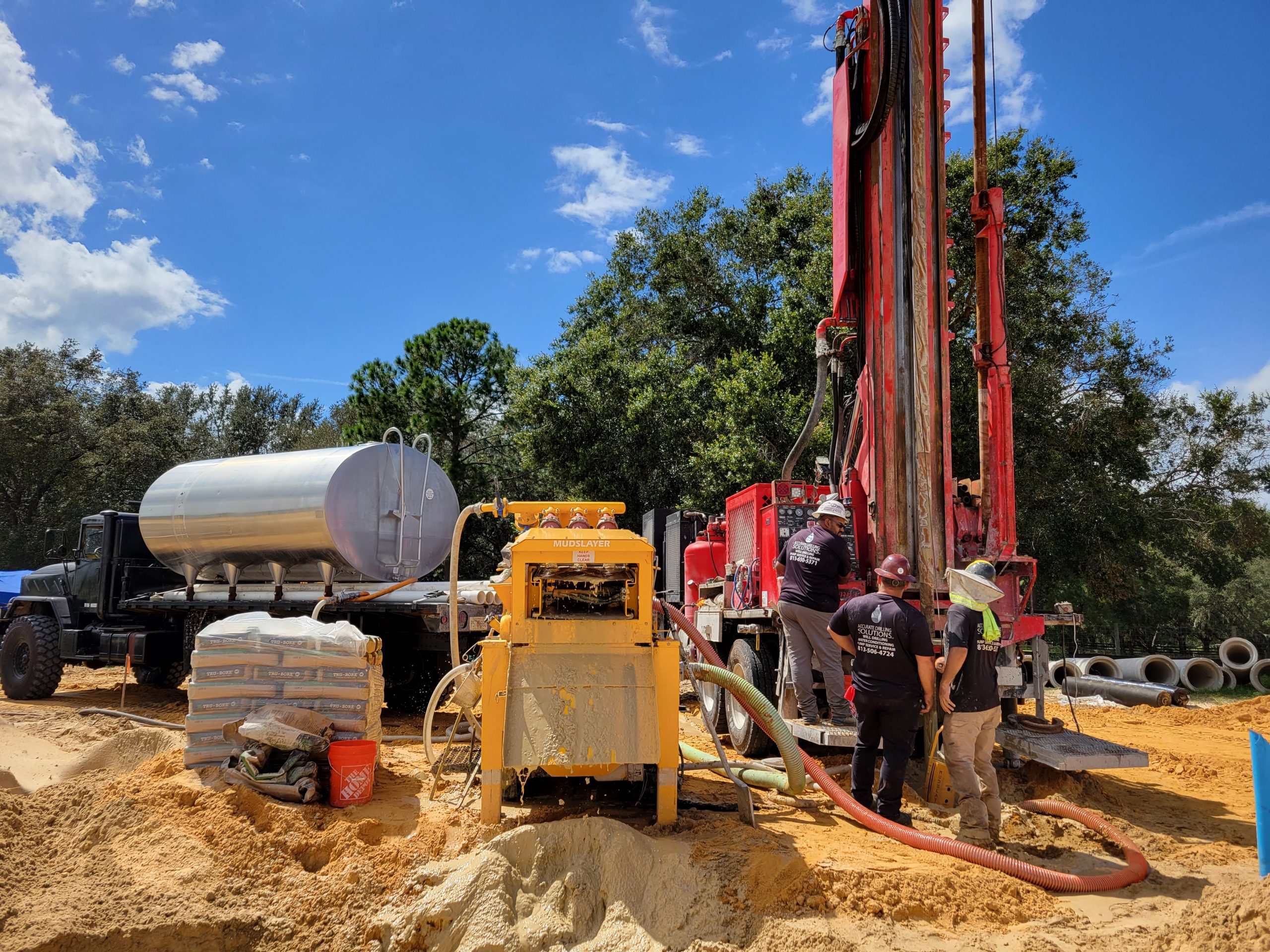
If your geothermal system in Largo is showing signs of reduced performance, the supply well may be the source of the problem. This article covers the key symptoms of well yield decline, limestone aquifer scaling, and reduced system efficiency — and what to do about them.
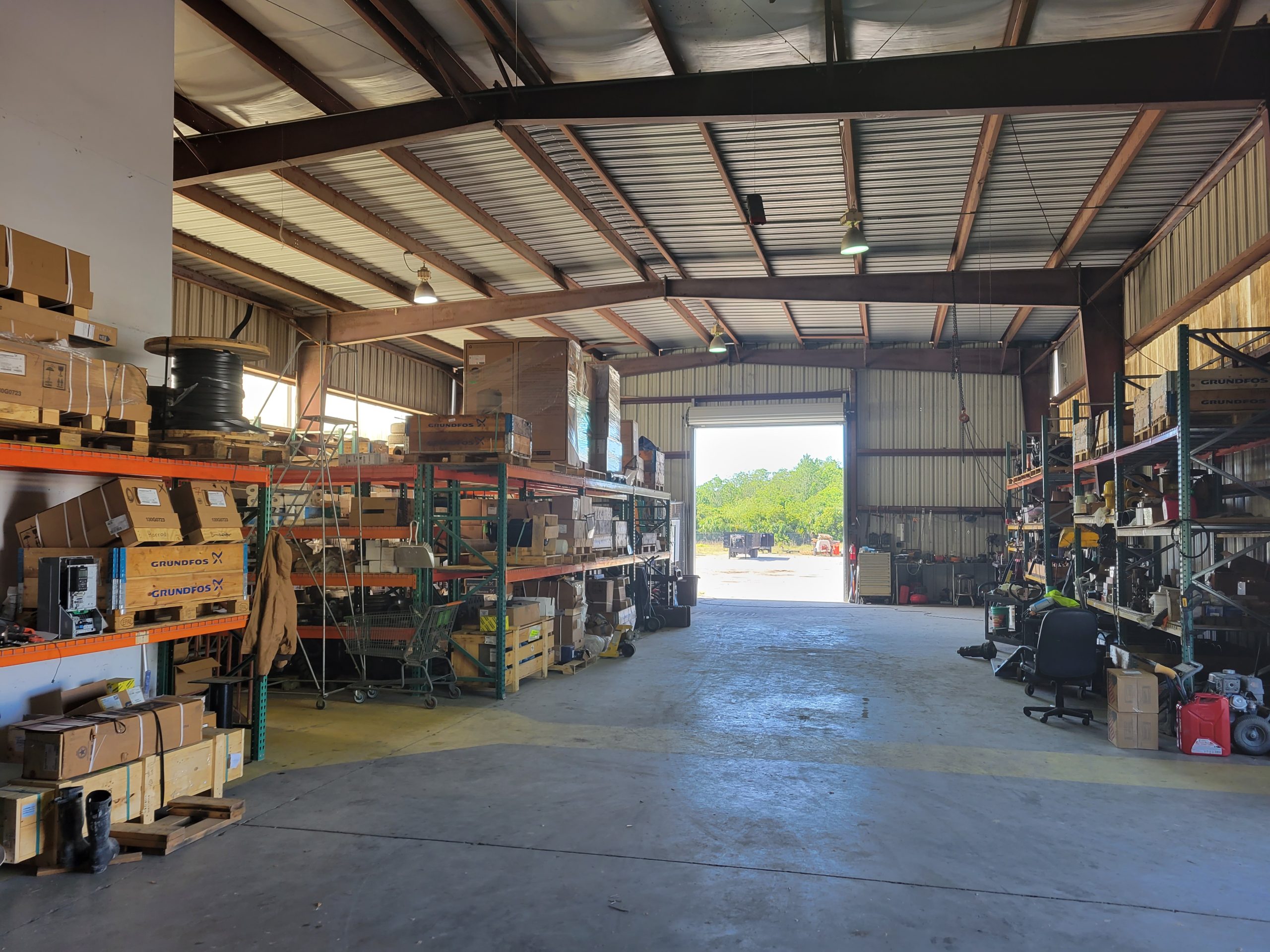
Selecting the right well pump system in Zephyrhills involves more than picking a pump off a shelf. This guide walks Pasco County property owners through submersible vs. jet pump comparisons, Florida-specific sizing factors, and why professional installation is the only responsible path forward.

Largo's coastal position, shallow Floridan Aquifer access, and aging residential well infrastructure create specific stress patterns on well pump systems. Understanding these local conditions helps homeowners protect their equipment before problems develop. Learn what makes Largo different — and what to do about it.