Englewood’s Winter Well Maintenance Checklist
While Englewood and nearby Sarasota enjoy relatively mild winters compared to northern climates, the cooler season still presents unique considerations for private well owners. Changes in weather patterns, potential for heavier rainfall, and shifts in water usage mean that seasonal maintenance is still important. Proactive care ensures your well system continues to operate reliably and deliver safe water throughout the year. This Englewood’s Winter Well Maintenance Checklist provides practical steps for homeowners to prepare and maintain their well systems during Florida’s cooler months.
Why Winter Maintenance Matters in Englewood
Even without freezing temperatures being a major concern, “winter” in Southwest Florida brings changes that can impact well systems. Increased rainfall during certain winter periods can affect surface drainage and potentially increase the risk of surface water contamination if the wellhead isn’t properly sealed and protected. Water tables might fluctuate differently than during the hot, dry spells or heavy summer rains. Additionally, homeowners might use water differently – perhaps less irrigation, but still consistent indoor use. Preparing your system involves ensuring its physical integrity, checking key components, and being aware of potential seasonal issues. Performing these checks before any potentially stormy weather or heavier rain periods often associated with winter fronts is a prudent measure.
This checklist focuses on preventative measures relevant to the Englewood and Sarasota climate, aiming to prevent common issues and ensure system longevity, rather than focusing on freeze protection needed in colder regions.
Checklist Item 1: Inspect the Wellhead and Surroundings
The wellhead is the first line of defense against contamination. A thorough visual inspection is a critical part of the Englewood’s Winter Well Maintenance Checklist.
Examine the well cap. Is it securely in place, bolted down, and watertight? Look for any cracks, corrosion, or damage. Ensure the vent screen is intact to keep insects out. The seal where electrical conduit enters the cap should be tight and weatherproof. Clear away any overgrown vegetation, leaves, mulch, or debris from around the wellhead. These can harbor pests and trap moisture. Check the ground slope around the well casing. It should slope *away* from the wellhead in all directions to ensure rainwater and surface runoff drain away and don’t pool around the casing, which could potentially seep down into the well. Look for any signs of erosion or settling around the well pad. Ensure there are no potential contamination sources nearby – maintain proper separation from septic tanks, drain fields, stored chemicals, or fuel tanks.
Checklist Item 2: Examine Pumps and Exposed Piping
While the main pump is likely submersible and protected within the well, some systems have components or piping that are more exposed.
If you have a jet pump system (less common for deeper wells but possible), check the pump housing and motor for any visible issues. Listen for unusual noises during operation. For all systems, inspect any exposed piping running from the wellhead to the house or pressure tank location (often in a garage or utility room). Look carefully for leaks, corrosion, or damaged insulation (if any is present – primarily for condensation control in Florida rather than freeze protection). Even small leaks waste water and energy and can worsen over time. Check the point where the pipe enters your home – ensure it’s properly sealed to prevent pests or water intrusion.
Checklist Item 3: Inspect the Pressure Tank and Switch
The pressure tank and switch are vital for smooth operation and pump protection. Their condition should be checked as part of your seasonal maintenance.
Visually inspect the pressure tank for excessive rust, corrosion, or leaks, especially around the seams and fittings. Check the air valve (usually looks like a tire valve) for leaks using soapy water. Listen for signs of the pump short-cycling (turning on and off rapidly when water is used). This often indicates a problem with the tank’s air pre-charge or a waterlogged tank bladder. While a full pre-charge check (requiring pump power off and system drained) is typically recommended annually, a visual inspection and listening for short-cycling are good seasonal checks. Inspect the pressure switch, usually mounted on the piping near the tank. Look for signs of corrosion, burnt contacts (discoloration), or water intrusion. Ensure the protective cover is securely in place.
Checklist Item 4: Test Water Quality
Changes in rainfall patterns and surface water runoff during winter months can potentially impact groundwater quality. Including water testing in your Englewood’s Winter Well Maintenance Checklist is advisable, especially if it’s been a year or more since your last test.
Consider performing an annual water test during the fall or early winter. At a minimum, test for total coliform bacteria and nitrates. These are key indicators of potential contamination pathways. If your area is prone to specific issues, or if you’ve noticed any recent changes in taste, odor, or appearance of your water, consider a more comprehensive test. The Florida Department of Health provides resources and information regarding private well water testing. Keeping records of these tests helps establish a baseline and identify any concerning trends over time. If test results indicate problems, consult with a water treatment professional or a company like Accurate Drilling Solutions to discuss appropriate solutions, such as filtration or disinfection systems.
Checklist Item 5: Check Water Treatment Equipment
If your well system includes water treatment devices (water softener, iron filter, UV light, sediment filter, etc.), winter is a good time to ensure they are functioning correctly.
Check salt levels in your water softener brine tank and refill as needed. Ensure the softener is regenerating according to its schedule. Replace filter cartridges (sediment, carbon filters) based on the manufacturer’s recommendations or if you notice a drop in water pressure. If you have a UV disinfection system, check if the indicator light is on (confirming the lamp is working) and note the recommended replacement interval for the UV lamp (usually annually) and quartz sleeve. Ensure any backwashing filters (like iron or neutralizing filters) are cycling correctly. Refer to your equipment manuals for specific maintenance schedules and procedures. Proper functioning of treatment equipment is essential for maintaining water quality, especially if initial tests showed issues.
- Water Softener: Check salt level, regeneration cycle.
- Filter Cartridges: Replace sediment/carbon filters per schedule or pressure drop.
- UV System: Verify indicator light, note lamp replacement due date.
- Backwashing Filters: Confirm cycle operation.
- Consult Manuals: Follow manufacturer-specific maintenance recommendations.
Checklist Item 6: Review Emergency Preparedness
Winter in Florida can occasionally bring severe weather, including strong thunderstorms or even tropical systems late in the season. Being prepared for power outages is crucial when you rely on a well.
Without power, your well pump won’t operate. Consider your options for backup power. A generator properly sized and connected (using a transfer switch for safety) can run your well pump and other essential appliances during an outage. Know how to manually operate essential valves if needed (e.g., isolating the system). Have a supply of stored water on hand for drinking and basic sanitation in case of an extended outage. Keep contact information for your well service provider (like Accurate Drilling Solutions) readily accessible in case of emergencies. General preparedness resources are available from sites like Ready.gov.
Checklist Item 7: Update Records and Schedule Professional Check-up
Good record-keeping and professional oversight complete your winter maintenance routine.
Document all the checks you’ve performed, any issues found, and maintenance completed (e.g., filter changes, water test dates and results). Keep these records together in your well system file. If you haven’t had a professional inspection in the last year or two, consider scheduling one. A qualified technician from Accurate Drilling Solutions can perform checks that homeowners typically cannot, such as testing pump motor amperage, checking electrical components thoroughly, verifying pressure tank pre-charge accurately, inspecting downhole components with video if necessary, and assessing overall system efficiency. This provides peace of mind and can catch developing problems before they become major failures.
Conclusion: Year-Round Reliability Through Seasonal Care
Following this Englewood’s Winter Well Maintenance Checklist helps ensure your private well system remains a reliable and safe source of water through the cooler months and beyond. While Englewood and Sarasota may not face harsh freezes, seasonal checks focusing on wellhead integrity, component function, water quality, and preparedness are essential practices for responsible well ownership. Proactive maintenance protects your health, your property, and your investment.
If you encounter issues during your checks, or if you prefer professional assistance with your well system maintenance in the Englewood or Sarasota area, contact Accurate Drilling Solutions. Their experienced technicians can provide comprehensive inspections, testing, and service. Visit https://accurate4.com to learn more.
continue reading
Related Posts
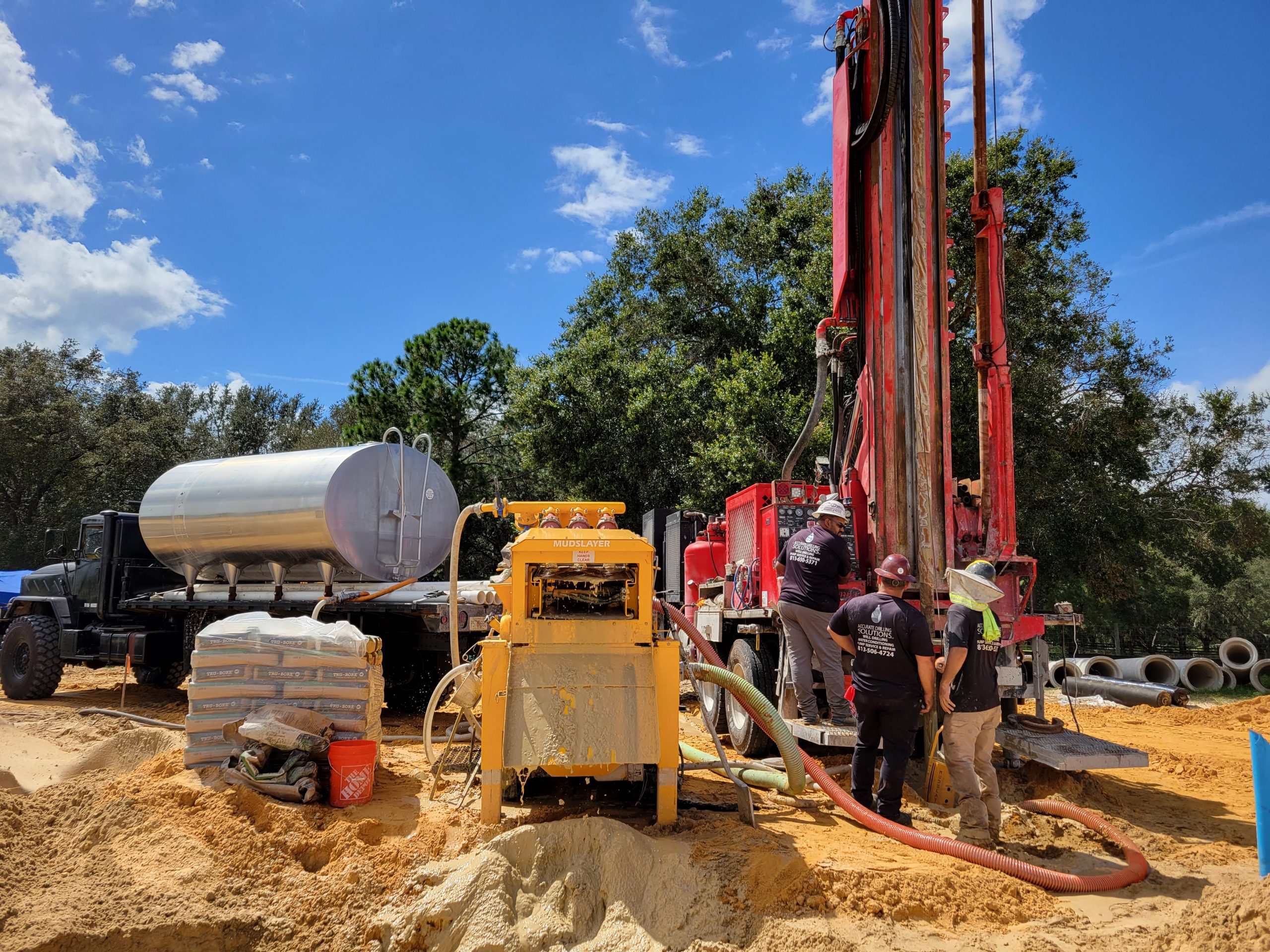
If your geothermal system in Largo is showing signs of reduced performance, the supply well may be the source of the problem. This article covers the key symptoms of well yield decline, limestone aquifer scaling, and reduced system efficiency — and what to do about them.
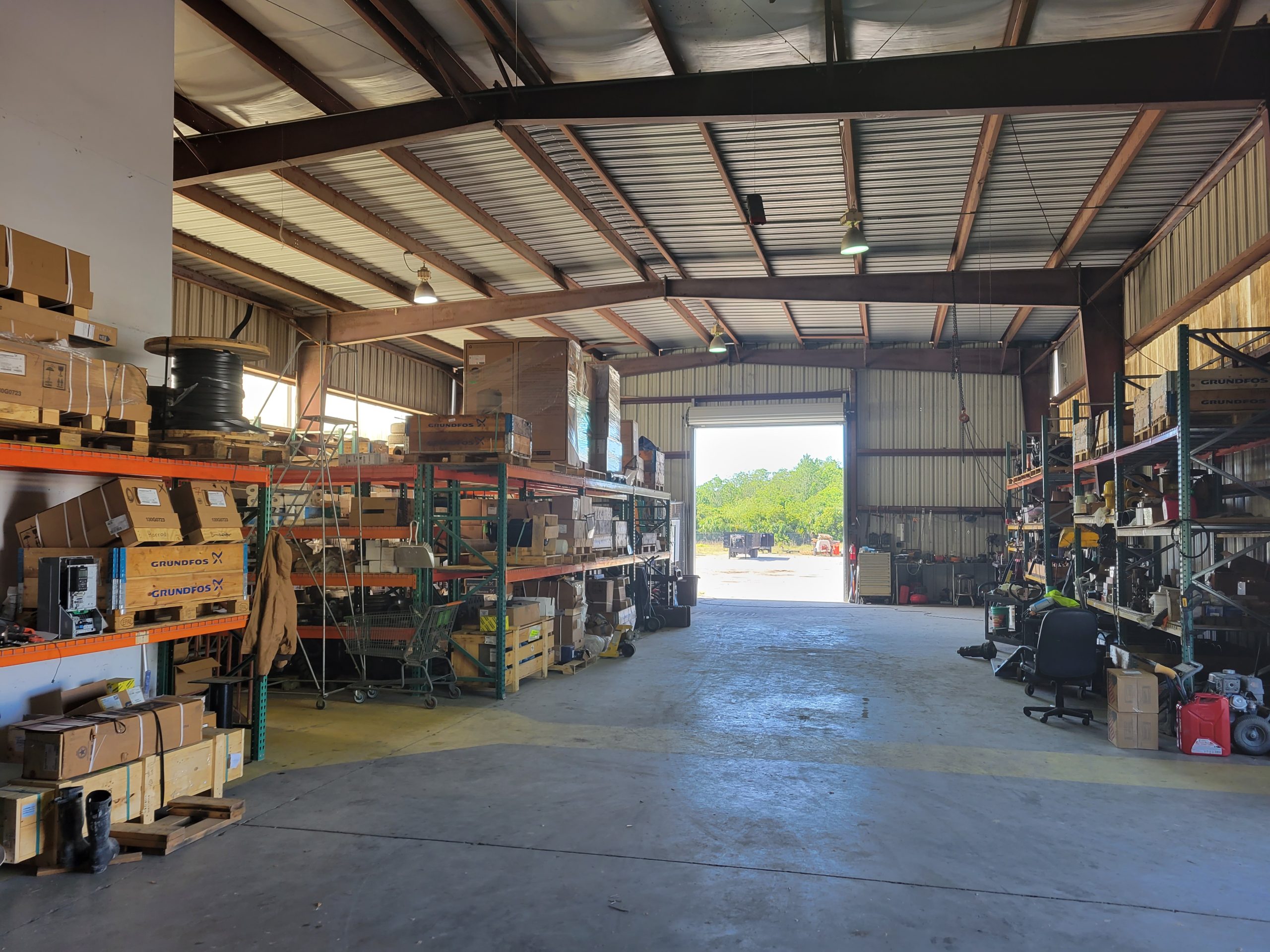
Selecting the right well pump system in Zephyrhills involves more than picking a pump off a shelf. This guide walks Pasco County property owners through submersible vs. jet pump comparisons, Florida-specific sizing factors, and why professional installation is the only responsible path forward.
Largo's coastal position, shallow Floridan Aquifer access, and aging residential well infrastructure create specific stress patterns on well pump systems. Understanding these local conditions helps homeowners protect their equipment before problems develop. Learn what makes Largo different — and what to do about it.