Lake Wales: Residential Well Installation Explained
For many homeowners in Lake Wales and surrounding communities like Winter Haven, a private water well offers an independent and potentially cost-effective source of water. However, the process of getting a well installed can seem complex. Understanding the steps involved, from initial planning to turning on the tap, helps ensure a smooth and successful project. This guide provides a clear explanation of Lake Wales: Residential Well Installation Explained, covering the key stages and considerations for prospective well owners in the area.
Initial Considerations and Site Assessment
Before any drilling begins, careful planning and site assessment are crucial. This foundational step determines the feasibility, location, and potential cost of your well system.
First, determine your water needs. Consider the size of your household, number of bathrooms, water-using appliances, and any outdoor uses like irrigation or filling a pool. This helps estimate the required flow rate (GPM) and pressure. Next, understand the local regulations. Polk County and the Southwest Florida Water Management District (SWFWMD) have specific rules regarding well placement (setbacks from septic systems, property lines, buildings, potential contamination sources) and construction standards. A professional installer like Accurate Drilling Solutions will be familiar with these requirements for the Lake Wales area. A site assessment involves evaluating your property’s geology and hydrogeology. Professionals use geological maps, data from nearby wells, and sometimes on-site evaluations to predict the likely depth to water, potential yield, and water quality. Choosing the right location on your property balances regulatory setbacks, geological potential, accessibility for drilling equipment, and proximity to the home’s plumbing connection point.
The Permitting Process
Drilling a water well is a regulated activity requiring permits to ensure safe drinking water and protect groundwater resources. Navigating the permitting process is a critical early step in residential well installation.
In the Lake Wales area, you will typically need a well construction permit from SWFWMD and potentially clearances or additional permits from the Polk County Health Department or local building departments. The permit application usually requires detailed information, including property owner details, parcel information, proposed well location plotted on a site map (showing setbacks), intended use, and contractor information. Licensed well drilling contractors, such as Accurate Drilling Solutions, are typically responsible for obtaining these permits on behalf of the homeowner. They understand the application requirements and procedures, streamlining the process. Permit approval must be granted *before* any drilling commences. Failure to obtain proper permits can result in fines and potential requirements to abandon the improperly installed well.
The Drilling Process: Reaching the Aquifer
Once permits are secured and the site is prepared, the actual drilling can begin. This is where specialized equipment and expertise come into play to access the groundwater stored in aquifers beneath Lake Wales and Winter Haven.
Different drilling methods exist, but rotary drilling is common for residential wells in Florida. This involves a drill rig rotating a drill bit while circulating drilling fluid (usually water or a bentonite mud mixture) to remove cuttings and stabilize the borehole. The driller carefully advances the borehole through various soil and rock layers until a suitable water-bearing formation (aquifer) is reached. The required depth can vary significantly depending on local geology, ranging from relatively shallow to several hundred feet. Experienced drillers monitor the cuttings and drilling progress to identify productive zones. The diameter of the borehole is chosen to accommodate the well casing and pump size appropriate for the expected yield and residential needs.
Well Construction: Casing, Screen, and Grout
After the borehole reaches the target depth, the well must be properly constructed to ensure structural integrity, prevent collapse, allow water entry, and protect against contamination. This phase involves installing the casing, screen, and grout.
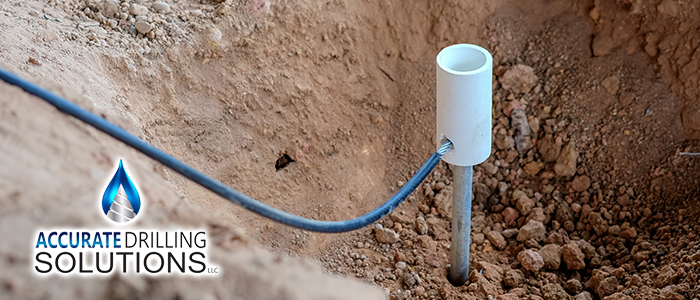
Well Casing: A strong, durable pipe (typically PVC for residential wells in Florida) is lowered into the borehole. The casing lines the well, preventing the surrounding earth from caving in and providing a conduit for water travel and pump installation. Well Screen: In sandy or unconsolidated aquifers common in Florida, a well screen is attached to the bottom of the casing. This section has slots or perforations designed to allow water to enter the well while keeping sand and sediment out. The slot size is carefully chosen based on the aquifer material. Filter Pack (if needed): In some cases, a gravel or sand filter pack is placed around the well screen in the annular space (the gap between the borehole wall and the screen) to further prevent fine particles from entering the well and improve water flow. Grouting: This is a critical step for protecting the aquifer from surface contamination. The annular space between the borehole and the casing (from the surface down to a specific depth, often mandated by regulations) is filled with a sealant, typically bentonite clay or cement grout. This seal prevents potentially contaminated surface water or shallow groundwater from migrating down along the outside of the casing into the deeper aquifer.
Well Development and Yield Testing
A newly constructed well isn’t immediately ready for use. It needs to be “developed” to clean it out and then tested to determine its reliable water production rate.
Well development involves removing fine sediment, drilling fluids, and disturbed particles from the borehole and the area immediately around the well screen. Techniques like surging, jetting, or over-pumping are used to clean the screen openings and surrounding formation, ensuring clear water flow into the well. This process improves the well’s efficiency and lifespan. After development, a pump test (yield test) is performed. Water is pumped from the well at a controlled rate for a set period (often several hours), while the water level drawdown (how much the water level drops) is measured. This test determines the well’s safe, sustainable yield – the maximum rate (GPM) at which water can be pumped without excessively lowering the water level or drawing in sediment. The yield test results are crucial for selecting the appropriately sized pump.
Pump System Installation
With the well constructed and its yield determined, the final major step is installing the pump system that will deliver water to the home. This part of Lake Wales: Residential Well Installation Explained covers the heart of the system.
Pump Selection: Based on the well depth, required GPM, desired pressure, and well yield, the appropriate type and size of pump are selected. For most residential wells in the Lake Wales area, a submersible pump is the standard choice due to its efficiency and suitability for various depths. Pump Installation: The submersible pump, attached to drop pipe and waterproof electrical wiring, is carefully lowered into the well and set at the correct depth (below the expected pumping water level but above the bottom of the well). Pitless Adapter or Well Seal: A connection is made to the well casing below the frost line (though frost line depth is minimal in Florida, this connection is typically underground) using a pitless adapter, or a sanitary well seal is used at the top of the casing if the connection is above ground or in a vault. This provides a watertight and sanitary connection for the pipe leading to the house. Pressure Tank and Controls: Inside the home (often garage or utility room), the pressure tank, pressure switch, and associated controls are installed and connected to the pipe from the well and the home’s plumbing system. Electrical Connection: A qualified electrician typically makes the final electrical connections for the pump motor, controls, and safety disconnects according to code.
- Select Pump (Submersible) based on Depth, GPM, Pressure, Yield
- Lower Pump, Drop Pipe, Wiring into Well
- Install Pitless Adapter or Well Seal for Sanitary Connection
- Install Pressure Tank, Pressure Switch, Controls Indoors
- Connect Piping to Home Plumbing
- Complete Electrical Wiring (Qualified Electrician)
Water Quality Testing and Disinfection
The final steps before using the water involve ensuring its safety and quality.
Disinfection: After installation, the entire well system (well, pump, piping, tank) is typically disinfected with a chlorine solution to kill any bacteria introduced during the construction or installation process. The system is then flushed thoroughly until the chlorine odor is gone. Water Quality Testing: A water sample should be collected *after* disinfection and flushing and sent to a certified laboratory for testing. Initial testing should, at a minimum, include bacteria (total coliform and E. coli) and nitrates. Depending on local conditions around Lake Wales and Winter Haven, additional tests for minerals (hardness), pH, iron, sulfur, or other contaminants may be recommended. The EPA’s Private Well website offers extensive information on testing and protecting your well water. Based on the results, water treatment equipment (softener, filter, etc.) may be necessary.
Conclusion: Partnering for a Successful Installation
The process of residential well installation, from site assessment and permitting through drilling, construction, pump installation, and testing, involves multiple critical steps requiring specialized knowledge and equipment. Understanding this process helps homeowners in Lake Wales and Winter Haven appreciate the work involved in securing a safe and reliable private water source. Choosing a reputable, licensed, and experienced contractor is paramount.
Accurate Drilling Solutions provides comprehensive residential well installation services, guiding homeowners through every stage. For expert assistance with your new well project in the Lake Wales area, visit https://accurate4.com to learn more and request a consultation.
continue reading
Related Posts
Bradenton Commercial Water Solutions Explained Businesses in Bradenton and the
Spring Well Maintenance: Tips for Temple Terrace Residents As the
Lakeland’s Guide to Modern Well Technologies For residents and businesses